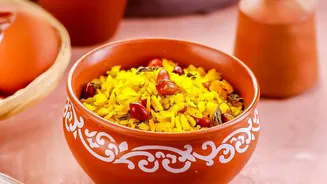



Sabudana Khichdi (Maharashtra)
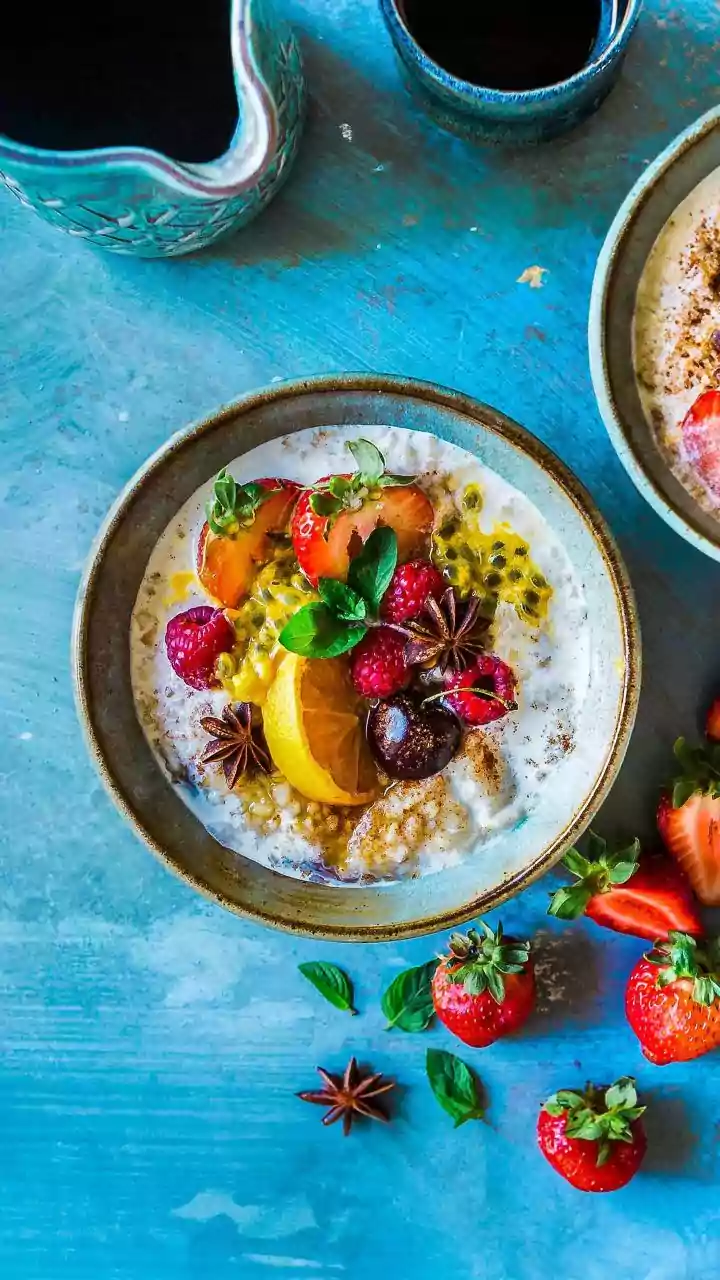
A quintessential fasting dish, Sabudana Khichdi has a special place in Maharashtrian households during Sawan. These soft, chewy tapioca pearls are tossed with roasted peanuts, boiled potatoes, and a simple tempering of cumin and green chillies. It’s a light
yet incredibly filling meal that provides a quick source of energy, making it ideal for those observing fasts. While popular across India now, its origins as a comfort food for vrat days are strongly tied to the western region, defining the simple, pure flavours of the season.
Kuttu ke Pakore (North India)
When evening cravings strike during a Sawan fast, North India turns to Kuttu ke Pakore, or buckwheat flour fritters. Kuttu is not a grain but a fruit seed, making it a perfect ingredient for vrat recipes. The flour is mixed with mashed potatoes and rock salt (sendha namak) to create a thick batter, which is then fried into crispy, earthy-tasting pakoras. Often served with a side of plain curd or a simple mint chutney, these fritters are a beloved snack that brings warmth and comfort on a rainy day.
Makhane ki Kheer (Bihar)
From the Mithila region of Bihar comes a dessert that is both luxurious and sattvic: Makhane ki Kheer. Makhana, or fox nuts, are puffed lotus seeds that are rich in calcium and nutrients. For this kheer, the makhana are lightly roasted in ghee until crisp, then simmered in milk until it thickens into a creamy pudding. Scented with cardamom and garnished with nuts, it’s a divine sweet offering that is light on the stomach but rich in flavour, making it a fasting favourite.
Singhare ka Halwa (Rajasthan & UP)
Singhare ka atta, or water chestnut flour, is another staple in the Sawan pantry. In regions like Rajasthan and Uttar Pradesh, it is famously transformed into a dense, nutty halwa. The flour is roasted in ghee until fragrant before being cooked with sugar and water or milk to form a rich, smooth pudding. This halwa is known for providing sustained energy, making it a practical and comforting dish to consume during long fasting days when regular grain-based sweets are avoided.
Rajgira Puri (Gujarat & Rajasthan)
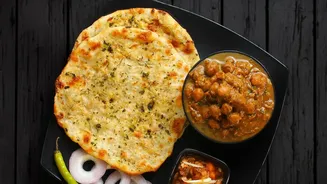
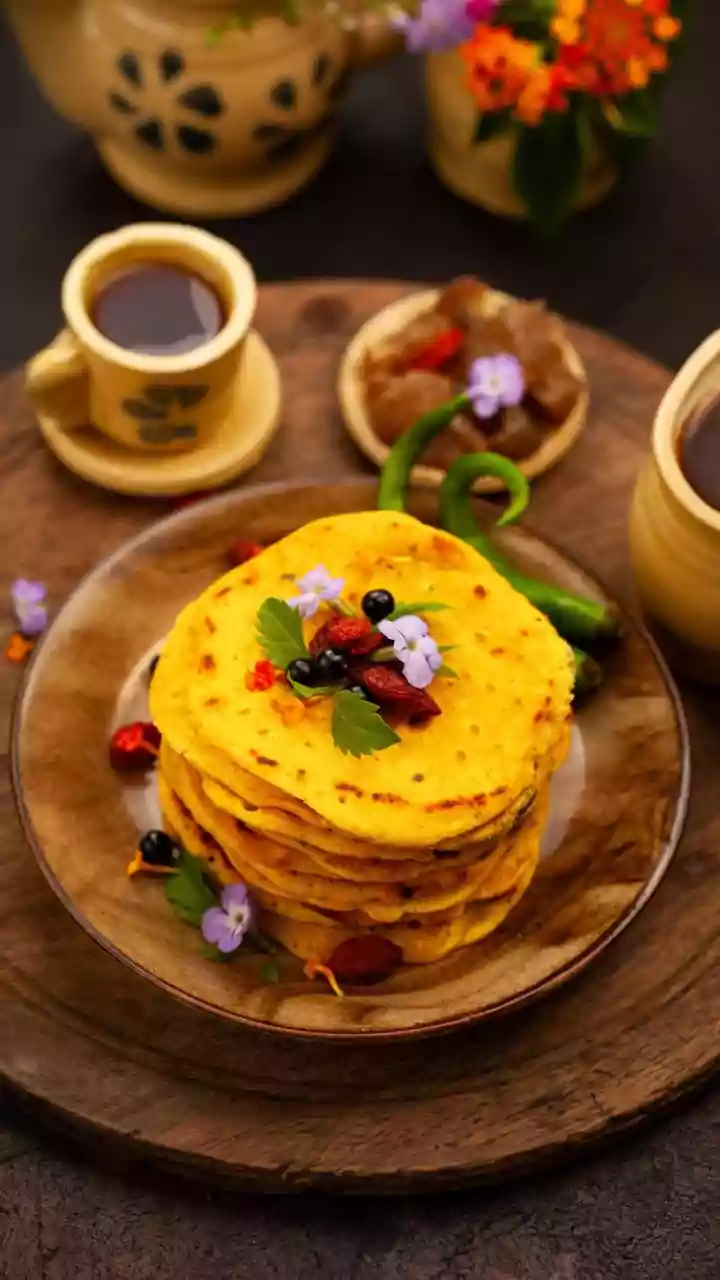
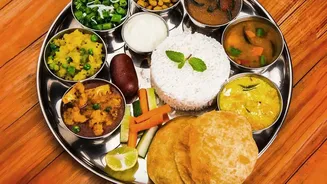
Rajgira, or amaranth flour, is a powerhouse of nutrients and another permitted ingredient during Sawan fasts. In Gujarat and Rajasthan, this gluten-free flour is often used to make crisp, fluffy puris. The dough is typically prepared by mixing rajgira atta with mashed potatoes, which acts as a binding agent, along with cumin and rock salt for flavour. These puris are then deep-fried and served hot with a simple potato curry (vrat wale aloo) or a cooling bowl of yogurt, creating a wholesome and satisfying meal.
Arbi ki Sabji (Uttarakhand & North India)
Arbi, or taro root, is an earthy vegetable that features prominently in fasting cuisine across North India, particularly in the hilly state of Uttarakhand. For Sawan, it is prepared as a simple, dry sabji. The boiled and fried arbi is tossed in a mild blend of spices like carom seeds (ajwain), green chillies, and rock salt, completely avoiding onion and garlic. This dish is light, easy to digest, and pairs beautifully with Kuttu ki Puri or Rajgira roti, grounding the festive meal in simple, rustic flavours.
Samak Rice Khichdi (Madhya Pradesh)
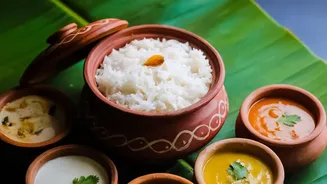
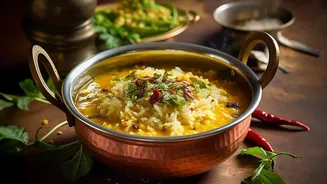
When regular rice is off the menu, Samak rice, or barnyard millet, steps in as the perfect substitute. In Madhya Pradesh and other parts of Central India, it is cooked into a soft, comforting khichdi. The millet is cooked with potatoes, peanuts, and a gentle tempering of cumin and ginger. Its porridge-like consistency is not only soothing during the monsoon but also extremely easy to digest, aligning perfectly with Ayurvedic principles that recommend lighter meals during this season.