




Embrace the Magic of the Monsoon
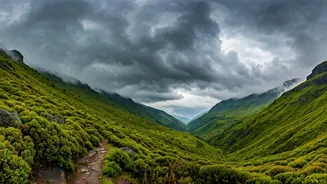
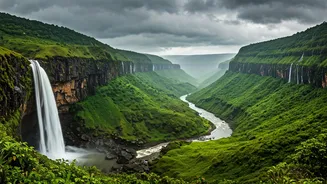
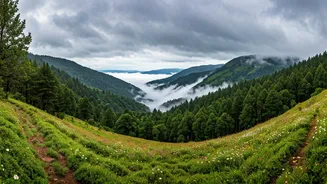
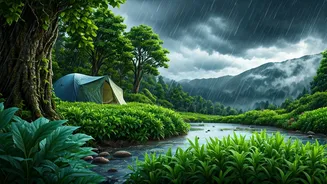
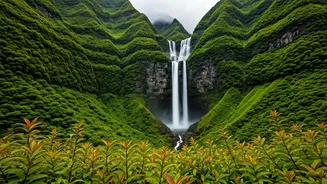
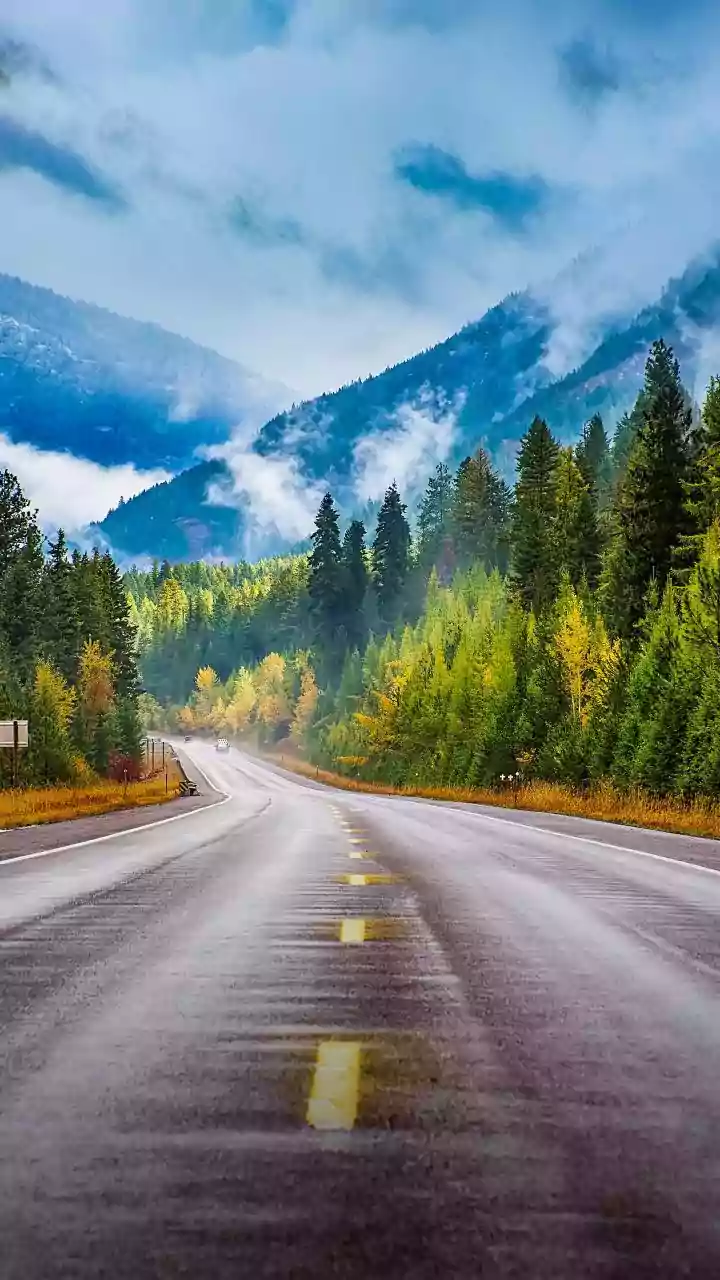
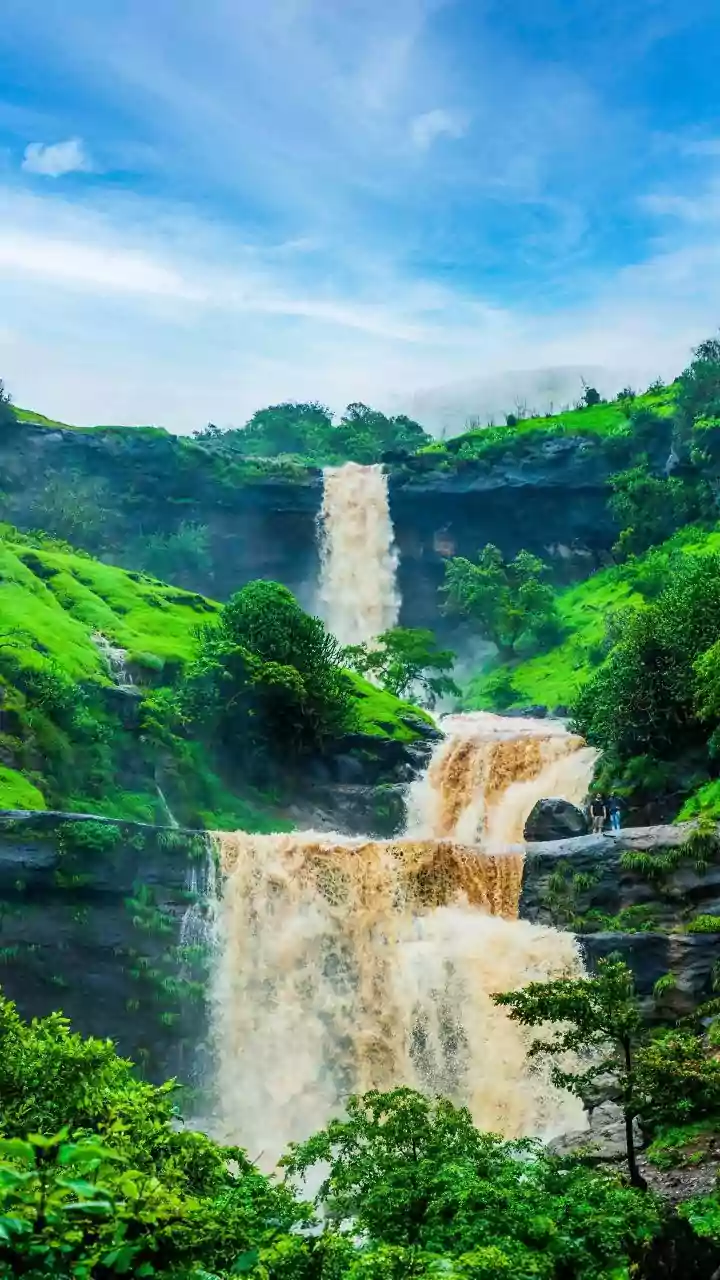
Why trade a cosy spot on the sofa for a damp, muddy trail? Because hiking in the monsoon is an experience unlike any other. The scorching summer heat gives way to cool, misty weather. Brown, arid landscapes burst into fifty shades of green. Dormant waterfalls
roar back to life, and the trails are less crowded. It’s a chance to witness nature’s dramatic annual rebirth. The sound of rain on your jacket, the sight of clouds rolling through the valleys, and the freshness in the air create a serene, almost meditative atmosphere that you simply don’t get during other seasons. It’s not about enduring the rain; it’s about experiencing the world it awakens.
Essential Gear for the Trail
Being prepared is the key to enjoying a monsoon trek. The right gear will keep you comfortable and safe, not just dry. **Footwear:** This is your most crucial piece of equipment. Opt for hiking boots or shoes with deep lugs and excellent grip. Waterproofing is a bonus, but good grip on slippery rocks and mud is non-negotiable. Avoid canvas shoes at all costs. **Clothing:** Layering is key. Start with a quick-drying synthetic T-shirt (avoid cotton, which stays wet and cold). Add a fleece or a light thermal layer for warmth if you're hiking at higher altitudes. Top it all off with a reliable waterproof and breathable rain jacket and rain pants. **Pack Protection:** Your backpack needs protection too. Use a waterproof rain cover for the outside and line the inside of your pack with a large plastic bag or use several smaller dry bags for electronics, clothes, and snacks. This double-layer of protection is foolproof.
Safety First, Always
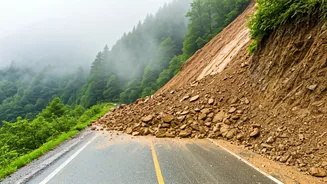
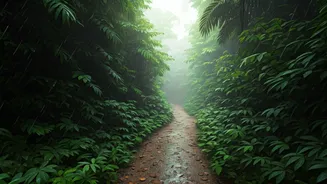
Monsoon trails are beautiful but can also be treacherous. Prioritising safety is paramount. **Check the Forecast:** Always check the local weather forecast before you leave. Be wary of warnings for heavy rain, thunderstorms, or cyclonic activity. If the weather looks severe, postpone your trek. **Beware of Slippery Paths & Landslides:** Rain makes trails slick with mud and wet moss on rocks. Go slow, maintain three points of contact on tricky sections, and use trekking poles for added stability. Be especially cautious in landslide-prone areas, often marked by loose soil and rocks on hillsides. If a trail looks unstable, turn back. **Leeches and Insects:** Leeches are a common feature of monsoon treks, especially in the Western Ghats and Northeast. While mostly harmless, they can be a nuisance. Wear leech-proof socks or tuck your pants into your socks. Carry a small salt packet or a sanitiser to help detach them if they latch on. A good insect repellent will also help keep other bugs at bay.
Pack Smart, Not Heavy
Beyond the basics, a few small items can make a huge difference in your comfort and safety. Pack a well-stocked first-aid kit that includes antiseptic wipes, bandages, pain relievers, and any personal medications. Add supplies for treating blisters and leech bites. Given the high humidity, you’ll sweat a lot, so carry enough water and an electrolyte powder or solution to stay hydrated and prevent cramps. Energy bars, nuts, and dried fruit are perfect for quick fuel on the trail. A fully charged phone and a power bank, stored in a waterproof pouch, are essential for navigation and emergencies. Finally, a small, quick-dry towel is invaluable for wiping down before you head home.
Trail Inspiration for Your First Trek
India offers a stunning variety of monsoon treks for all fitness levels. In Maharashtra, the forts of the Sahyadris like Lohagad, Visapur, and Kalsubai become breathtakingly green, with clouds often enveloping the peaks. For those in the south, the Western Ghats in Karnataka and Kerala offer lush trails like Tadiandamol or Chembra Peak, surrounded by tea and coffee estates. Up north, the lower Himalayas in Himachal Pradesh and Uttarakhand present incredible options. The Valley of Flowers National Park, which only opens during the monsoon, is a legendary trek where you can witness a meadow carpeted with hundreds of species of alpine flowers in full bloom. Always choose a trail that matches your experience level and, if you're a beginner, consider going with a certified guide or a group.