
The Mighty Millet Makes a Comeback
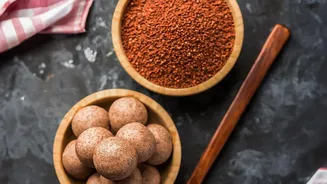
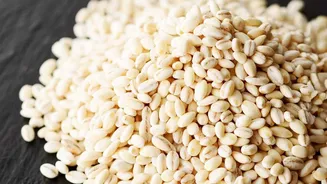
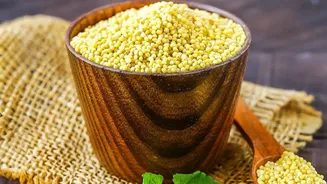
For thousands of years, millets like ragi, bajra, and jowar were staples across India, long before refined wheat and rice dominated dinner plates. After falling out of favour for decades, these resilient grains are being rediscovered by a new generation.
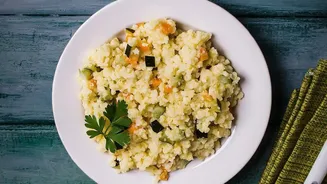
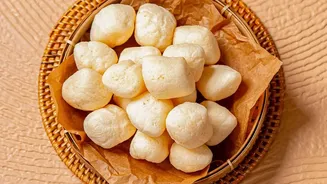
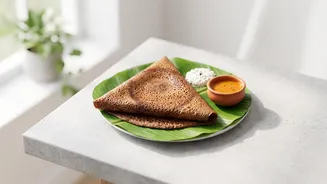
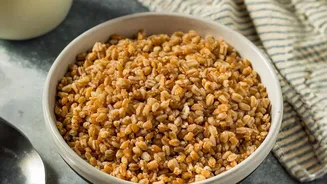
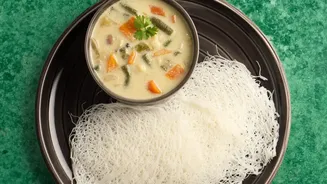
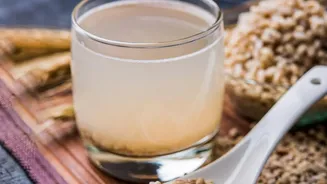
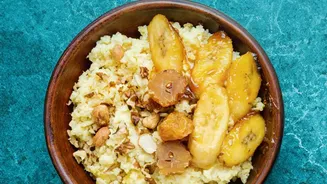
This revival is driven by a growing awareness of their incredible health benefits. Millets are nutritional powerhouses, packed with fibre, protein, essential minerals, and B vitamins. They are also naturally gluten-free and have a low glycemic index, making them an excellent choice for managing blood sugar. The renewed interest, partly fueled by initiatives like the 'International Year of Millets', has encouraged chefs and home cooks to move beyond traditional rotis and porridges. Today, millets are being used creatively in everything from fluffy idlis and dosas to hearty pulaos, salads, and even desserts.
The Versatile World of Beans and Pulses
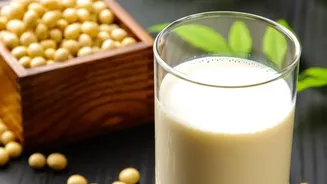
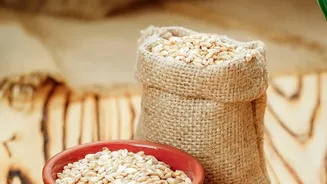
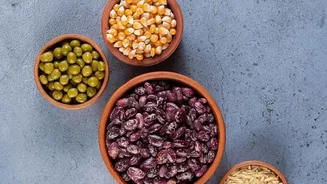
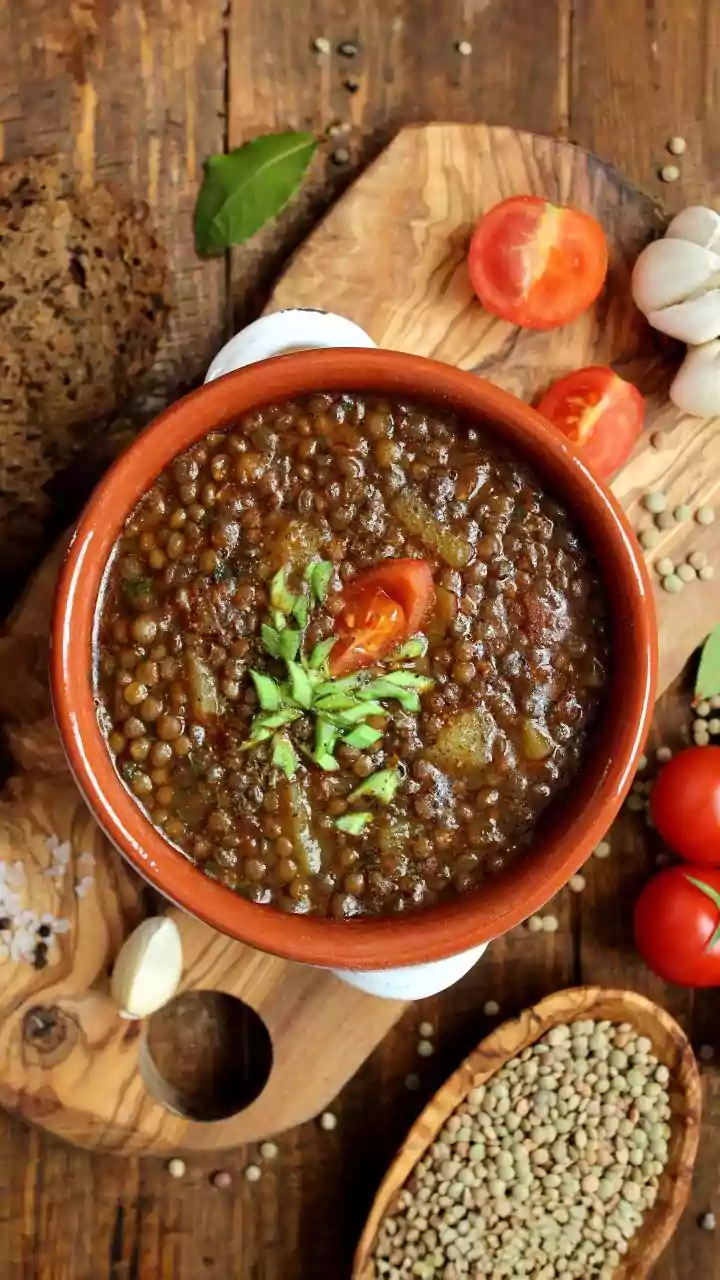
From chana masala to rajma and the countless varieties of dal, beans and pulses have always been the backbone of Indian vegetarian cooking. These edible seeds are celebrated not only for their affordability and long shelf life but also for their impressive nutritional profile. They are one of the best sources of plant-based protein and are rich in dietary fibre, iron, and folate. While traditional preparations remain beloved, there's a growing trend of using them in more contemporary ways. Think of creamy hummus made from chickpeas, hearty salads featuring black-eyed peas, bean-based burgers, and flavourful wraps. This versatility allows them to add substance and nutrition to almost any meal, making it easier than ever to enjoy a satisfying, protein-rich diet without relying on meat.
Why This Shift Is Happening Now
This movement isn't just a fleeting trend; it’s a conscious shift towards healthier and more sustainable eating. Many people are seeking nutrient-dense foods that support long-term wellness and help manage lifestyle-related health concerns. Millets, beans, and pulses fit this need perfectly. Furthermore, there is an increasing environmental consciousness. Millets are hardy crops that can thrive in arid conditions with minimal water and inputs, making them a climate-resilient choice for farmers. Pulses also contribute to soil fertility. This turn towards traditional ingredients is a reconnection with India's agricultural heritage, a way of eating that is both balanced and in harmony with the environment.
From Traditional Wisdom to Modern Kitchens
The beauty of this culinary revival lies in its blend of tradition and innovation. It’s not about abandoning the recipes passed down through generations but about adapting them for modern lifestyles. Home cooks are finding that replacing some rice with millet in a khichdi or pulav is an easy and delicious change. Food companies are launching a wide array of ready-to-use millet-based products like noodles, breakfast cereals, and flour mixes, making it convenient for busy professionals to incorporate these grains. This fusion of old and new is making plant-forward eating more exciting and accessible. It proves that a diet rich in traditional Indian ingredients can be diverse, delicious, and perfectly suited for the contemporary palate.