



The Real Meaning of Value
We often equate value with a low price, but when it comes to clothing, that can be misleading. A more powerful way to assess an item's worth is by calculating its cost-per-wear (CPW). The formula is simple: divide the total price of an item by the number
of times you wear it. A trendy ₹800 top worn only twice has a CPW of ₹400. In contrast, a classic, well-made pair of jeans that costs ₹4000 but is worn 100 times has a CPW of just ₹40. This metric shifts the focus from the initial outlay to the long-term utility and enjoyment you get from a garment, revealing that more expensive, durable items are often cheaper in the long run.
Beyond the Simple Math
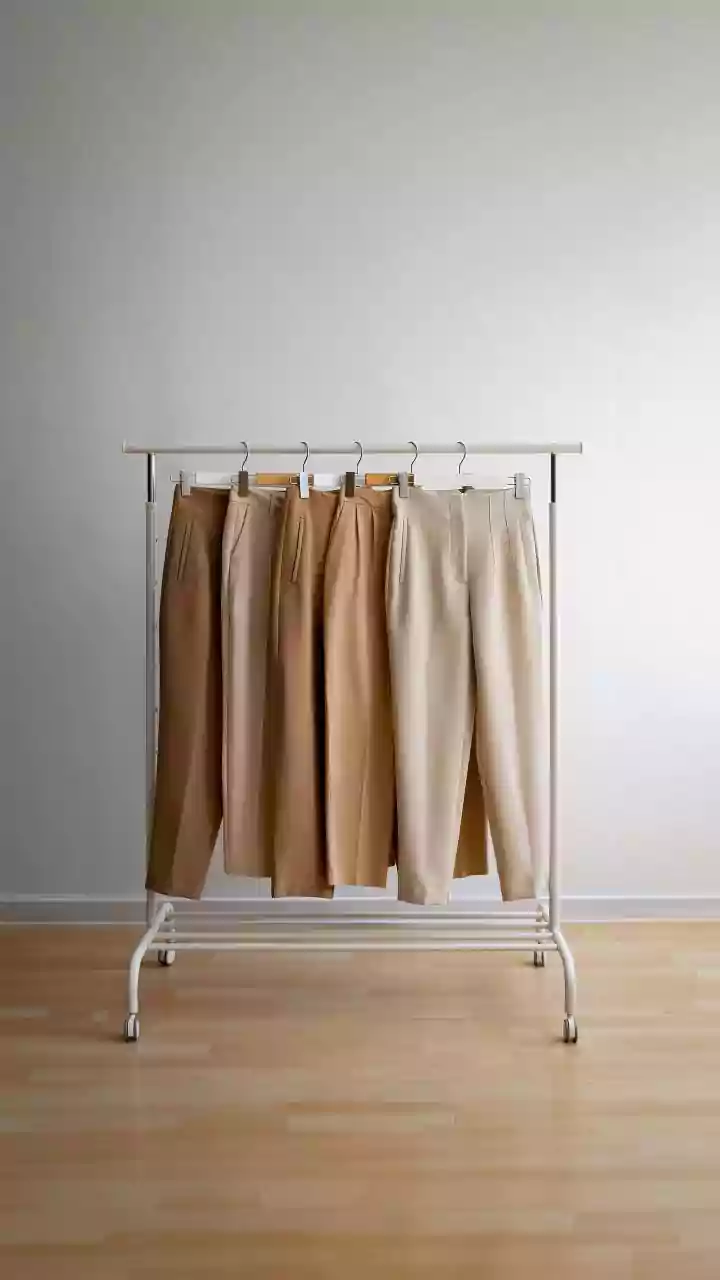
While CPW is a great starting point, true value also includes other factors. Quality materials and construction are paramount. A garment made from durable fabric with strong stitching will naturally last longer, allowing for more wears and a lower CPW. Consider the item’s timelessness as well. A classic white shirt or a well-fitting blazer will remain stylish for years, unlike a micro-trend piece that might feel dated in a few months. Even maintenance costs should be considered; a 'bargain' jacket that requires expensive dry cleaning will have a higher overall cost than one you can easily wash at home.
The Psychology of a Good Purchase
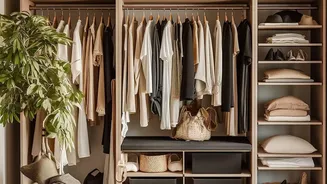
The cycle of fast fashion is built on the fleeting thrill of a new, cheap purchase. This taps into our brain's desire for novelty and reward, providing a dopamine hit that quickly fades. This can lead to a cycle of constant buying to chase that feeling, resulting in an overflowing wardrobe filled with items that offer little long-term satisfaction. In contrast, investing in fewer, high-quality pieces you truly love fosters a different kind of satisfaction. Repeating outfits you feel confident in simplifies life, reduces decision fatigue, and builds a stronger sense of personal style. You move from being a passive consumer to an active curator of your own look.
How to Spot a Quality Garment
Becoming a smarter shopper means learning to identify quality before you buy. Don’t just look at the price; look at the piece itself. Check the seams for tight, even stitching. Are the buttons sewn on securely, or do they feel loose? Does the zipper operate smoothly? Feel the fabric—natural fibers like cotton, wool, and linen tend to be more durable than many synthetics. Look at the garment’s interior; finished seams and linings are often signs of better construction. These small details indicate that a piece was made to last, making it a better candidate for a low cost-per-wear.
Building Your Long-Term Wardrobe
Shifting to a cost-per-wear mindset doesn't require a complete wardrobe overhaul overnight. Start by taking stock of what you already own. Before your next purchase, ask yourself: 'Will I wear this at least 30 times? Does it work with other pieces I own? Is it built to last?' Prioritizing quality, fit, and versatility over fleeting trends will naturally lead you to build a more sustainable and satisfying wardrobe. You'll find yourself with a collection of clothes you genuinely enjoy wearing, making it easier to get dressed in the morning and reducing the mental clutter that comes from having too many options.