



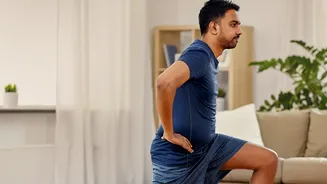
Why Dance Your Cardio?
Freestyle dance cardio is more than just a fun way to get your heart rate up; it's a full-body and mind experience. Physically, it improves cardiovascular health, burns calories, and enhances balance, coordination, and flexibility. Unlike repetitive gym
machine workouts, dance engages your muscles in varied ways, building strength and mobility. Mentally, the benefits are just as significant. Moving to music releases endorphins, which can boost your mood and reduce stress, making it a therapeutic escape. It’s an exercise in disguise that supports heart health, stamina, and even brain function without feeling like a punishment.
Embrace the Awkwardness
The biggest hurdle for most beginners is the fear of looking silly. It's crucial to remember that freestyle has no rules and there is no 'wrong' way to do it. The goal is not to perform, but to move in a way that feels good to you. A great way to start is by practicing alone in a private space where you feel comfortable, like your living room. Turn down the lights, put on a song you love, and just let your body react to the music. Everyone feels a bit awkward at first. The key is to shift your focus from how you look to how you feel. Celebrate the mistakes and know that with every session, your confidence will grow.
Build Your Ultimate Playlist
Music is the driving force behind any great dance session. The right playlist can make or break your motivation. Spend time curating a selection of songs that make you want to move. A good playlist should have a natural flow, starting with a song that has a moderate tempo for a warm-up, building to higher-energy tracks for the main part of your workout, and ending with slower, calmer songs for your cool-down. Don't be afraid to mix genres. The best song is one you can listen to on repeat and never get tired of, as this makes it easier to train and stay engaged.
Five Basic Moves to Start With
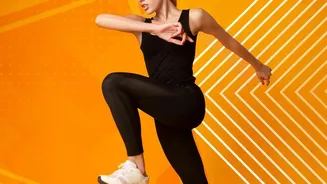
You don't need complex choreography to have a great workout. Start with these simple, foundational moves and build from there. First, the two-step: simply shift your weight from side to side to the beat. Second, try marching in place, lifting your knees as high as feels comfortable. Third, add in some arm movements like circles or reaching up and down. Fourth, incorporate a simple step-touch by stepping to one side and tapping your other foot beside it. Finally, add a gentle hip sway or body roll. Once you're comfortable, you can mix and match these moves and experiment with speed and level changes.
Structure Your Freestyle Session
While 'freestyle' implies spontaneity, having a loose structure can help you get the most out of your workout, especially as a beginner. Aim for a 20-30 minute session to start. Begin with a 3-5 minute warm-up using lighter movements and dynamic stretches to prepare your body. Follow this with 15-20 minutes for your main dance session where you can let loose to your high-energy tracks. The key is to keep moving to maintain an elevated heart rate. Finally, dedicate the last 5 minutes to a cool-down, using slower music and static stretches to help your body recover.