




Why Your Small Space Matters
As cities expand, natural habitats shrink, leaving birds, bees, and butterflies with fewer resources. Your balcony can act as a crucial 'green stepping stone'. These small patches of green create a network of mini-refuges that help wildlife navigate the
urban environment, find food, and rest. By creating a garden, you are contributing to a larger, interconnected urban ecosystem, increasing local biodiversity one pot at a time. Even a few well-chosen plants can make a significant difference, offering food and shelter where it is otherwise scarce.
A Nectar Buffet for Pollinators
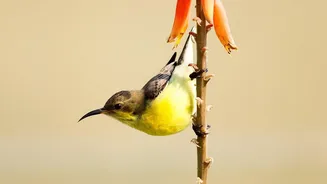
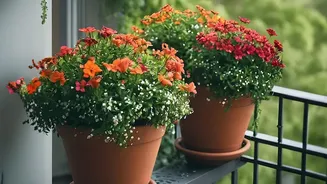
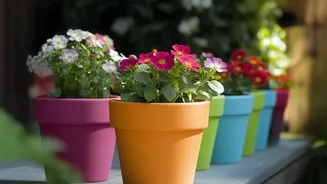
To attract beautiful butterflies and essential bees, focus on flowers rich in nectar. Marigolds are a fantastic choice; they are easy to grow, thrive in sunny spots, and their bright colours are highly attractive to pollinators. Hibiscus is another excellent option for Indian balconies, with its large, nectar-filled blooms drawing in sunbirds as well as insects. Other great choices include Lantana, known for its heat resistance and colourful flower clusters, and Zinnias, which provide a continuous food source throughout the summer. If you have space for a climber, Jasmine provides fragrant flowers that attract nectar-seeking birds and insects.
Fruiting and Seeding Plants for Birds
Beyond flowers, you can offer a feast for local birds. Sunflowers are a classic choice, as their large heads produce an abundance of seeds loved by sparrows and finches. Some plants also attract insect-eating birds by fostering a small ecosystem. Marigolds, for example, attract insects that, in turn, become food for birds. For those with a bit more space, small, potted fruit trees are a game-changer. Dwarf varieties of lemon, pomegranate, or even guava can thrive in large containers on a sunny balcony, providing fragrant blossoms for pollinators and fruit for you and the birds.
Creating Shelter and Providing Water
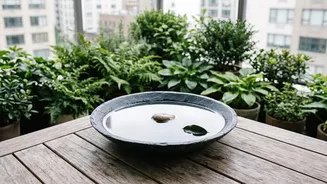
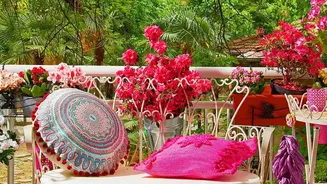
A successful wildlife garden offers more than just food. Dense foliage provides crucial shelter for small birds to rest and hide from predators. Plants like Bougainvillea, with their thick growth and thorny branches, offer excellent protection. Hibiscus and other bushy shrubs also provide safe spots. Furthermore, a simple, shallow dish of clean water can be a lifeline for birds and insects, especially during dry spells. This small addition is one of the most effective ways to attract wildlife, providing a place for them to drink and bathe.
Supporting the Full Life Cycle
To create a truly impactful habitat, consider plants that support the entire life cycle of certain species. For example, planting milkweed is essential for Monarch butterflies, as it serves as a host plant where they lay their eggs and their caterpillars feed. Similarly, letting herbs like Tulsi (Holy Basil) or sweet basil flower will attract a multitude of pollinating insects. By thinking beyond just nectar, you create a space that nurtures new generations of urban wildlife, turning your balcony into a functional nursery.