



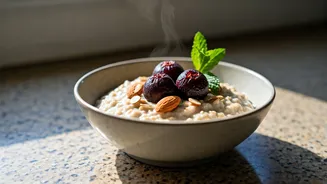




The Ancient Grain Your Morning Needs
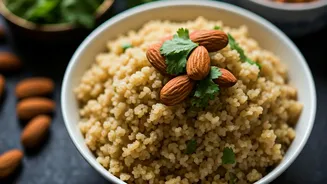
Amaranth, known locally as rajgira, isn't just another flour. It's a pseudocereal, meaning it’s a seed cooked and eaten like a grain, and it packs a serious nutritional punch. For centuries, it has been a staple in India, especially during fasting periods,
due to its incredible energy-providing properties. Unlike wheat or maida, amaranth is naturally gluten-free, making it an excellent choice for those with gluten sensitivities. What truly makes it a breakfast champion is its high protein content. Protein helps keep you full and satisfied, preventing those mid-morning hunger pangs that lead to unhealthy snacking. It provides sustained energy release, unlike the quick sugar spike and crash from many processed breakfast cereals. Furthermore, amaranth is rich in dietary fibre, which is crucial for digestive health, and loaded with essential minerals like calcium, iron, and magnesium, all vital for bone health and overall vitality.
Why Biscuits Are the Perfect Vehicle
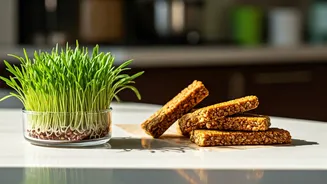
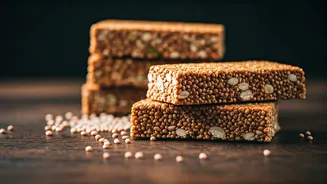
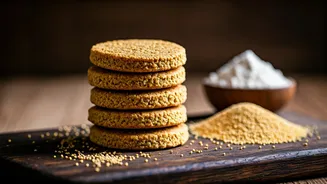
While rajgira is often used in porridges or ladoos, turning it into a breakfast biscuit is a stroke of genius for modern, busy lifestyles. These biscuits are perfectly portion-controlled, easy to make in a batch over the weekend, and incredibly portable. You can grab two or three on your way out the door, enjoy them with a cup of chai or coffee, or crumble them over a bowl of yoghurt for added texture and nutrition. The naturally nutty and earthy flavour of amaranth flour lends itself beautifully to a biscuit format. It creates a tender, slightly crumbly texture that feels both wholesome and indulgent. By making them at home, you control the ingredients, avoiding the preservatives, refined sugars, and unhealthy fats found in many store-bought biscuits.
Easy Nutty Amaranth Biscuit Recipe
This recipe is simple, customisable, and yields delicious results every time. It uses common Indian kitchen staples to create a batch of about 15-20 biscuits.
Ingredients: - 1 cup Amaranth Flour (Rajgira Atta) - 1/2 cup Almond Flour or powdered almonds - 1/2 cup Jaggery Powder (Gur), or to taste - 1/2 cup Ghee or melted butter, at room temperature - 1/2 teaspoon Cardamom Powder (Elaichi) - A pinch of salt - 2-3 tablespoons Milk, as needed to bind the dough - 1/4 cup chopped nuts (almonds, walnuts, or pistachios)
Step-by-Step Preparation
1. Preheat & Prep: Preheat your oven to 180°C (350°F). Line a baking tray with parchment paper. 2. Mix Dry Ingredients: In a large mixing bowl, whisk together the amaranth flour, almond flour, jaggery powder, cardamom powder, and salt. Make sure there are no lumps in the jaggery. 3. Combine Wet & Dry: Add the room-temperature ghee or melted butter to the dry ingredients. Use your fingertips to rub the ghee into the flour mixture until it resembles coarse breadcrumbs. 4. Form the Dough: Add the chopped nuts. Slowly add milk, one tablespoon at a time, and knead gently to form a smooth, non-sticky dough. Do not over-knead; the dough should just come together. 5. Shape the Biscuits: Take small portions of the dough and roll them into balls. Gently flatten them with your palm to form discs about half an inch thick. Arrange them on the prepared baking tray, leaving a little space between each. 6. Bake to Perfection: Bake for 12-15 minutes, or until the edges are golden brown. Ovens vary, so keep an eye on them after the 10-minute mark to prevent burning. 7. Cool Down: Let the biscuits cool on the baking tray for 5 minutes before transferring them to a wire rack to cool completely. They will become crispier as they cool.