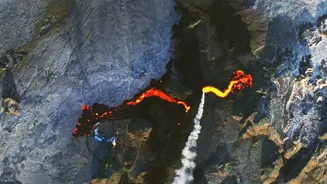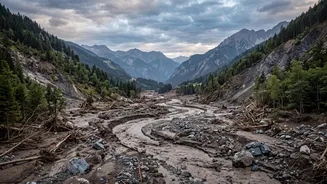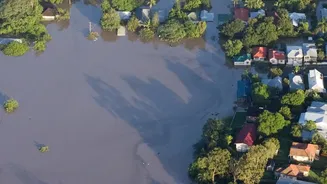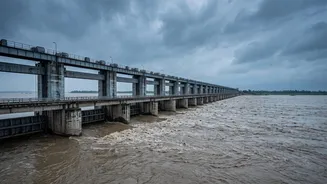


Recognise the Immediate Warning Signs
Flash floods can occur with little to no warning, but some signs can alert you to imminent danger. Pay close attention to rapidly rising water levels in the river or nearby streams. Listen for a roaring sound upstream, which could signal a surge of water approaching.
If there has been intense, continuous rainfall, even miles away, be on high alert. The National Disaster Management Authority (NDMA) advises that if you are in a flood-prone area and a flash flood is possible, you should not wait for official instructions to move. Your immediate observation is your best first alert system.
Your First Move: Get to Higher Ground
The single most important rule is to abandon the area near the river and move to higher ground immediately. Do not hesitate or try to save belongings. A delay of just a few minutes can be fatal. Higher ground means an elevated area away from rivers, streams, and low-lying zones like ditches or underpasses. If you are in a city or town, this might mean moving to the upper floors of a sturdy building. The goal is to put as much vertical and horizontal distance as possible between you and the rising water.
Never Walk or Drive Through Floodwater
It is impossible to judge the depth or speed of floodwater just by looking at it. Official guidance from agencies like FEMA is clear: Turn Around, Don't Drown! It takes only six inches of moving water to knock an adult off their feet. One foot of moving water is enough to sweep away most cars, including SUVs. The water can hide washed-out roads, open manholes, sharp debris, and even downed power lines that can electrify the water. If your car is trapped in rising water, abandon it immediately and move to higher ground. It is safer to be on the roof of a vehicle than inside it if water is rising quickly.
If You Are Swept into the Water
If you are caught and swept away by fast-moving floodwater, try not to panic. Survival experts advise against trying to swim against the current, which will exhaust you. Instead, get on your back with your feet pointed downstream. This position allows your feet and legs to absorb the impact of any hidden objects, protecting your head and torso from injury. Try to angle your body toward the nearest bank and look for anything to grab onto, like a sturdy tree or building, but avoid grabbing onto anything that might be pulled loose by the current. Keep your head up and try to stay as calm as possible until the water slows or you can reach safety.
Dangers That Remain After the Water Recedes
The danger does not end when the floodwaters go down. The aftermath poses significant risks. Floodwater is often heavily contaminated with sewage, chemicals, and bacteria, so avoid contact with it and do not consume any food that has touched it. Be extremely cautious when re-entering any area, as the ground may be unstable and roads could collapse. Watch out for displaced wildlife, particularly snakes, which are a common hazard during floods in India. Finally, stay away from downed power lines and be cautious with electrical equipment, as the risk of electrocution remains high until authorities declare the area safe.