

More Than Just Mud: The Hidden Risks
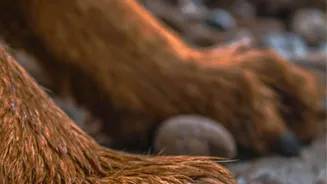
A muddy paw print on the floor is a minor inconvenience, but what gets tracked in can be a major health risk. During the monsoon, stagnant water and damp soil become breeding grounds for harmful bacteria and fungi. Constantly damp paws are susceptible
to painful yeast or bacterial infections, which cause redness, itching, and a foul odour. Puddles, especially in urban areas, can be contaminated with Leptospira bacteria, shed in the urine of rodents, which can cause the serious disease leptospirosis. This illness can lead to kidney or liver failure and is transmissible to humans. Furthermore, wet and muddy ground can hide sharp objects like glass or thorns, leading to cuts that can easily get infected.
Your Step-by-Step Paw Cleaning Guide
Consistency is key to preventing problems. The best approach is to create a dedicated paw cleaning station by your door. Before you start, do a quick visual check of each paw for any cuts, thorns, or swelling. For a thorough clean, use a basin of lukewarm water. You can use just water or add a small amount of a gentle, dog-specific shampoo. Human soaps should be avoided as they can irritate your dog's skin. Gently wash each paw, making sure to clean between the toes and around the pads where debris loves to hide. A portable paw washer cup with soft silicone bristles can also be very effective for dislodging stubborn mud. For less messy walks, pet-safe, alcohol-free wipes can be a convenient option for a quick clean.
Drying: The Most Overlooked Step
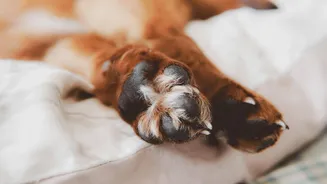
Washing is only half the battle; thorough drying is just as important. Many pet owners rush this step, but moisture trapped between the paw pads creates the perfect warm, damp environment for fungal and yeast infections to flourish. These infections can cause significant itching, redness, and discomfort, leading to persistent licking and chewing. Use a clean, absorbent towel and gently pat each paw dry. Make a special effort to get the towel in between each toe to absorb all lingering dampness. Taking an extra minute to ensure the paws are completely dry can save your pet from weeks of irritation.
Beyond Cleaning: Essential Monsoon Paw Maintenance
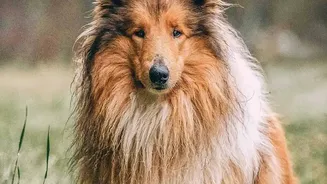
A little proactive care can make your cleaning routine much easier. For dogs with long hair, the fur around their paws can become a magnet for mud and moisture, leading to painful matting. Keeping this hair trimmed short helps paws dry faster and prevents debris from getting trapped. Regularly trimmed nails are also important, as long nails can get caught or alter the way your dog walks, increasing the risk of injury. After cleaning and drying, applying a thin layer of a dog-safe paw balm can help moisturise the pads and create a protective barrier against rough surfaces and irritants.
When to Be Concerned
Daily inspection allows you to catch problems early. Be on the lookout for signs of trouble, such as persistent licking or chewing of the paws, redness or swelling between the toes, cracks or sores on the pads, or any limping or reluctance to walk. A strong, musty or unpleasant odour is often a tell-tale sign of a yeast or bacterial infection. If you notice any of these symptoms, or if your dog seems to be in pain, it's important to stop any home treatment and consult your veterinarian. Early diagnosis and proper treatment are crucial for a quick recovery and preventing a minor issue from becoming a serious one.