







A Coastline Under Threat
India's eastern seaboard, stretching across states like Tamil Nadu, Andhra Pradesh, Odisha, and West Bengal, is one of the world's most vulnerable regions to tropical storms. Each year, cyclones barrel in from the Bay of Bengal, bringing with them destructive
winds and massive storm surges that inundate villages, turn fertile farmland saline, and erode the very land people live on. This relentless cycle of destruction, intensified by climate change, poses a grave threat to the lives and livelihoods of millions. While engineered solutions like concrete seawalls have often been the default response, they are expensive, can fail, and often cause unintended environmental damage. In the face of this, many coastal communities are rediscovering and revitalizing an age-old, natural form of defence.
Nature’s Intricate Engineering
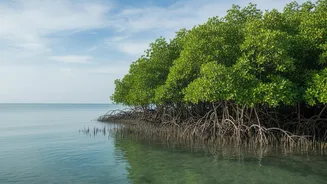
Mangroves are nature’s own coastal engineers. These unique trees and shrubs thrive in the brackish, intertidal zones where land meets sea. Their power as a 'bio-shield' lies in their incredibly complex and dense root systems. These tangled, stilt-like roots rise above the water, forming an almost impenetrable barrier. When a storm surge or cyclone-driven wave hits a mangrove forest, this network acts like a giant sponge. It absorbs the initial impact and dramatically slows the flow of water, reducing its destructive energy. Studies have shown that just 100 metres of healthy mangrove forest can reduce wave height by up to 66%. The roots also trap sediment, anchoring the soil and preventing it from being washed away. Over time, they don’t just halt erosion; they can actually help build new land, creating a resilient buffer against rising sea levels.
Proof on the Ground in Odisha
The effectiveness of these green barriers is not theoretical. It has been proven time and again. A landmark study following the devastating 1999 super cyclone in Odisha provided stark evidence. Researchers found that villages sheltered behind wider mangrove belts suffered significantly fewer fatalities compared to those with little or no mangrove cover. This lesson has been taken to heart. In coastal villages around Balasore, a community-led restoration effort has been transforming the shoreline since 2022. After Cyclone Yaas in 2021 flooded their fields with seawater, local villagers, with support from government and UNDP initiatives, began planting thousands of saplings. Women have taken a leading role, forming committees to manage the nurseries and oversee the plantation, turning conservation into a source of livelihood.
From Pichavaram to the Sundarbans
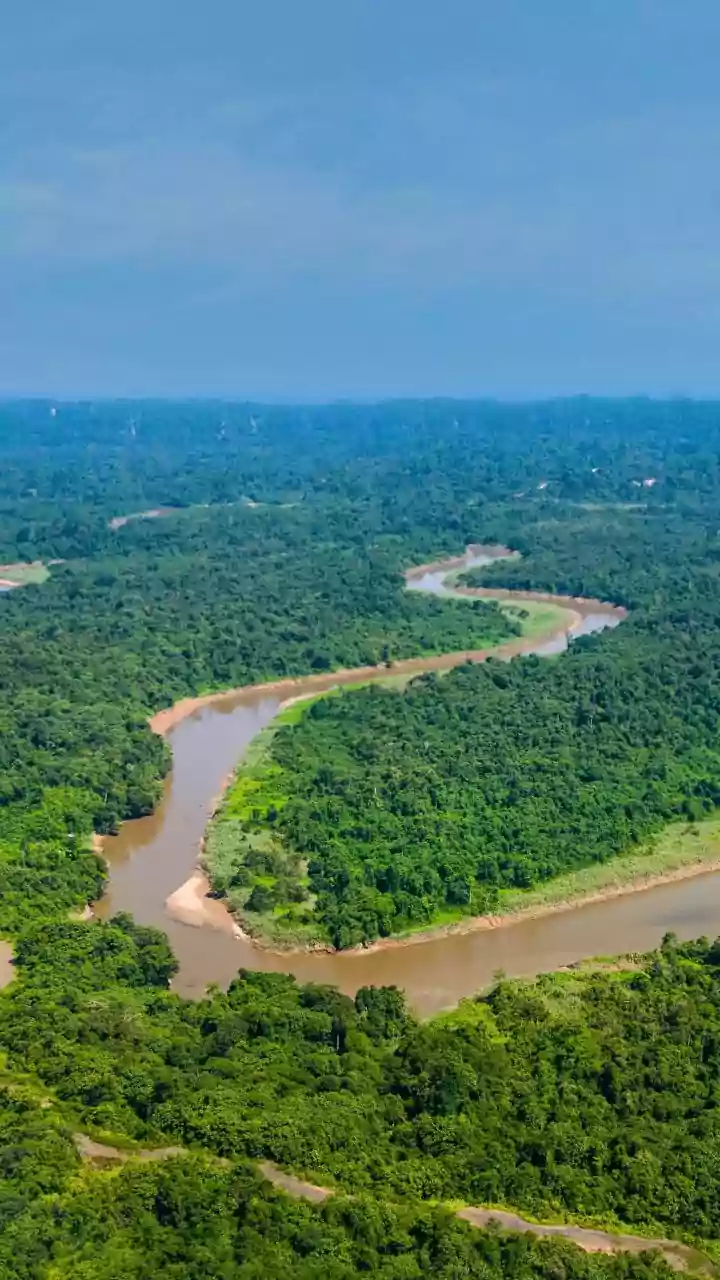
The story repeats itself along the coast. In Tamil Nadu, the dense mangrove forests of Pichavaram are credited with shielding inland communities from the worst of the 2004 Indian Ocean tsunami. Further north, the Sundarbans, the world's largest mangrove forest, acts as a massive natural shield for both India and Bangladesh, consistently weakening cyclones before they can cause maximum damage inland. Beyond storm protection, these revitalized ecosystems bring a cascade of benefits. They act as critical nursery grounds for fish, crabs, and prawns, which boosts the local fishing economy. The forests provide fodder for livestock and timber for homes, while also playing a vital role in capturing and storing vast amounts of carbon, helping to mitigate climate change.
The Challenges of a Living Defence
Despite these successes, creating and maintaining mangrove bio-shields is not without its challenges. The success of a plantation depends heavily on scientific planning, including choosing the right species for the local soil salinity and tidal patterns. Past restoration projects have sometimes failed due to a lack of this technical knowledge. More importantly, these efforts require sustained community buy-in. When local communities are involved in the planning and see direct economic benefits, the projects are far more likely to succeed. The continued threats of pollution, illegal logging, and unchecked coastal development mean that these green shields require constant vigilance and protection to remain effective.