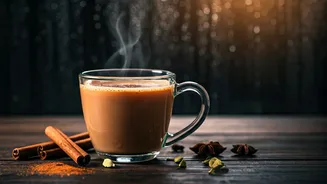




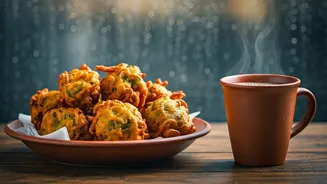


A Ritual of Comfort
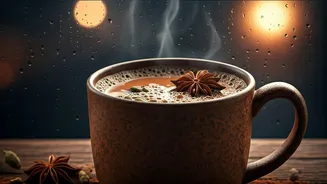
It’s more than just a beverage; it’s a multi-sensory experience. The ritual often begins long before the first sip. It’s the rhythmic clinking of the steel pot, the grating of fresh ginger, the gentle crushing of cardamom pods and cloves. As the water
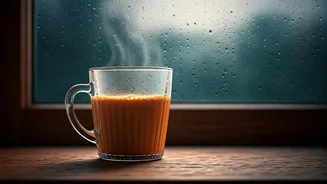
begins to simmer with the spices, the kitchen fills with an aroma that is both invigorating and deeply comforting. This process is a pause, a moment of mindfulness forced upon us by the weather. While the world outside is washed clean by the downpour, the act of brewing chai creates a small, warm sanctuary inside. Each ingredient added is a step in a familiar dance, a tradition passed down through generations, making the final cup taste not just of spices, but of home and memory.
The Science of Craving
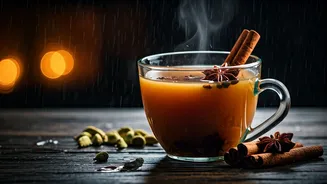
There’s a reason our bodies crave this specific concoction when it’s damp and grey. The monsoon brings a drop in temperature and an increase in humidity, which can often lead to a feeling of lethargy and a susceptibility to colds and coughs. The spices in masala chai are a powerhouse of warmth. Ginger is a diaphoretic, meaning it warms the body from within. Cloves have antiseptic properties, while cinnamon and cardamom are believed to aid digestion and uplift one's mood. From an Ayurvedic perspective, the monsoon is a time when the 'Vata' dosha (associated with air and space) can be aggravated, leading to digestive issues and joint pain. The warming, grounding spices in masala chai are considered a perfect antidote, helping to restore balance and provide a much-needed immunity boost during the season.
A Uniquely Indian Invention
While tea has been grown in India for centuries, the sweet, milky, spiced brew we call masala chai is a relatively modern and proudly Indian innovation. In the early 20th century, the British-owned Indian Tea Association promoted tea consumption to the domestic market to create a local customer base. Indians, however, took the British habit of adding milk and sugar and transformed it completely. They added a symphony of local spices—a practice rooted in Ayurvedic traditions of creating healing decoctions (kadhas). This act of culinary rebellion and creativity turned a colonial import into something undeniably our own. The 'cutting chai' sold by street vendors, which kept Mumbai’s workforce running, further cemented its place as the nation’s go-to beverage.
The Perfect Social Catalyst
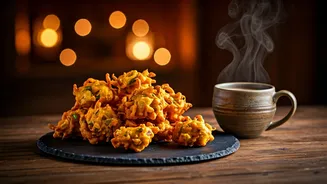
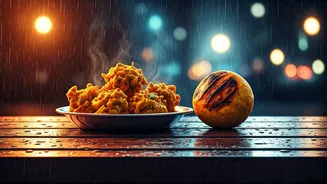
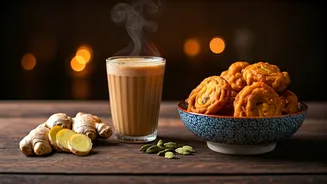
Masala chai is rarely a solitary affair, especially during the monsoon. The rain often forces an impromptu break in our busy lives, and chai provides the perfect excuse to gather. The call of “Chai ban rahi hai!” is an invitation to pause work, put down phones, and connect. It’s the centrepiece of conversations on a rain-soaked balcony, the perfect partner to a plate of sizzling hot pakoras or samosas. The contrast between the hot, crisp fritters and the sweet, spicy tea is a textural and flavoural masterpiece. These chai-and-snack sessions aren't just about sustenance; they are about community, storytelling, and sharing a moment of simple, unadulterated joy while the rain drums on the windowpane.