





The Master List is Your Best Friend
Before you spend a single rupee, create a comprehensive plan. Start by outlining your menu for the entire festival period, from main courses and snacks to sweets. This will help you generate a detailed shopping list. Go through your pantry and refrigerator
to see what you already have, avoiding duplicate purchases. Sticking strictly to a list is the number one rule to prevent impulse buys, which can quickly derail your budget. Organising your list by category—such as grains, spices, dairy, and vegetables—can also make your shopping trips more efficient.
Shop Non-Perishables Early
The golden rule of festive shopping is to buy items with a long shelf life well in advance. Prices for staples like ghee, sugar, dry fruits, and cooking oil can increase by 10-15% in the week leading up to a major festival. Purchase non-perishable items like rice, atta (flour), dals (lentils), and spices at least two weeks out. This not only saves you money but also helps you avoid the last-minute rush when popular items often go out of stock. Foods like dried beans, grains, and canned goods can be stored for months, if not years, making them perfect candidates for early purchasing.
Embrace Bulk and Wholesale Buying
For items you use frequently, buying in bulk is a proven money-saver. Staples like rice, flour, cooking oil, and sugar often have a lower cost per unit in larger quantities. Consider pooling purchases with friends, family, or neighbours to take advantage of wholesale prices without overstocking your own pantry. Many local kirana stores and wholesale markets offer significant discounts on bulk buys. This strategy is particularly effective for foundational ingredients that form the base of many festive dishes.
Time Your Fresh Produce Purchase
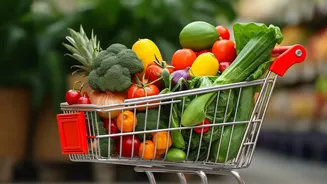
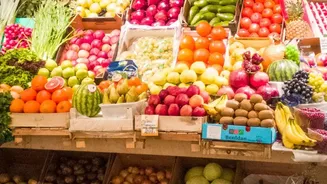
While non-perishables should be bought early, the opposite is true for fresh items. Vegetables, fruits, milk, and paneer should be purchased as close to the festival as possible, ideally just a day or two before you need them. Buying perishables too early leads to spoilage and wasted money. To save further, focus on seasonal produce. Fruits and vegetables that are in season are not only fresher and more flavourful but also significantly cheaper. Keep an eye on local market prices in the days leading up to your shop.
Leverage Technology and Discounts
In the digital age, your smartphone can be a powerful budgeting tool. Use grocery price comparison apps to check prices across different online and offline stores before you buy. Many online grocery platforms like BigBasket, Blinkit, and Zepto offer significant discounts, flash sales, and bank cashback offers, especially during the festive season. Sign up for loyalty programs at your favourite supermarkets, which often provide members with exclusive deals and extra points on festive purchases. Don't forget to look for digital coupons and gift cards, which can further reduce your bill.
Simplify Your Menu and Reduce Waste
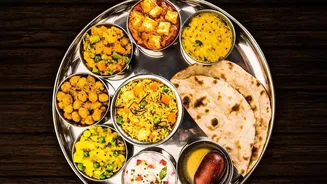
A grand festive meal doesn't have to be overly complex or expensive. While a few signature dishes are essential, you can simplify other parts of the menu. Opt for one or two elaborate sweets instead of five. Consider making some ready-to-make mixes for snacks to save time and ingredient costs. Proper food storage is also crucial. Ensure that bulk items are stored in airtight containers to maintain freshness and prevent spoilage. By minimising food waste, you ensure that every rupee spent contributes to the celebration on your table.