


Decoding 'Ultra-Processed'
Not all processed foods are created equal. Nutrition experts use a system called NOVA, which classifies foods into four groups based on their level of industrial processing. Group 1 is unprocessed or minimally processed foods, like fresh fruits, vegetables,
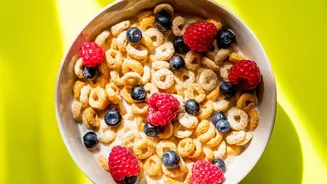
grains, and meat. Group 2 includes processed culinary ingredients like oils, salt, and sugar. Group 3 is processed foods, which result from adding ingredients from group 2 to group 1 foods, such as canned vegetables or freshly made bread. The category causing concern is Group 4: ultra-processed foods (UPFs). These are industrial formulations made mostly from substances extracted from foods or synthesized in labs. Think packaged snacks, fizzy drinks, ready-to-eat meals, and sugary cereals. A simple way to identify them is by checking the label for ingredients you wouldn't typically use in a home kitchen, like high-fructose corn syrup, hydrogenated oils, protein isolates, and additives like emulsifiers, thickeners, and artificial flavours.
What the Research Says
A growing body of research consistently links high consumption of UPFs to a wide range of poor health outcomes. An extensive review of studies involving nearly 10 million people found convincing evidence that higher UPF intake is associated with a roughly 50% increased risk of death related to cardiovascular disease and a 48-53% higher risk of anxiety and common mental disorders. The same review showed a 12% greater risk of type 2 diabetes. Highly suggestive evidence also points to a 21% greater risk of death from any cause and significantly higher risks of obesity and depression. Specifically, studies show that adults who eat the most UPFs have up to a 19% higher risk of heart disease. Some research also indicates an increased risk for certain cancers, including colorectal cancer. It is important to note that most of this research is observational, showing a strong correlation rather than direct causation. However, the consistency of these findings across numerous large-scale studies is what makes health experts take notice.
Beyond Calories, Sugar, and Fat
The health concerns about UPFs go deeper than just their high content of sugar, salt, and unhealthy fats. These products are often low in essential nutrients like fibre, vitamins, and minerals. Furthermore, they are formulated to be "hyper-palatable," meaning their combination of flavours, textures, and ingredients is engineered to stimulate the brain's reward centres, encouraging overconsumption before your body can signal that it's full. The industrial processes and chemical additives themselves are also under scrutiny. Ingredients like emulsifiers and artificial sweeteners may disrupt gut health by altering the microbiome, impairing the intestinal barrier, and triggering inflammation. In essence, UPFs not only provide 'empty calories' but may also displace whole, nutritious foods from the diet and introduce substances that could have a negative impact on the body’s systems.
A Practical Path Forward
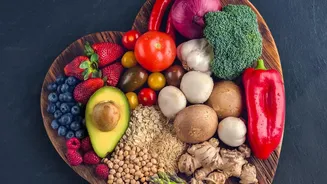
Given that UPFs account for over half the calories consumed in some high-income countries, completely avoiding them can feel unrealistic. The goal isn't perfection but progress. A helpful approach is to focus on reducing their frequency and prioritising whole and minimally processed foods. Start by reading ingredient lists; a long list full of unfamiliar, chemical-sounding names is a red flag. Try simple swaps: replace a sugary breakfast cereal with oatmeal and fruit, or a packaged snack with a handful of nuts. Cooking more meals at home is one of the most effective ways to control what you eat. When you do buy packaged foods, compare labels and choose options with simpler ingredients and less added sugar, sodium, and saturated fat. The emphasis should be on your overall dietary pattern rather than demonising any single food. A diet rich in fruits, vegetables, whole grains, and lean proteins is consistently proven to support good health.