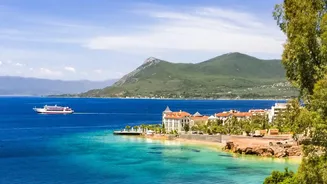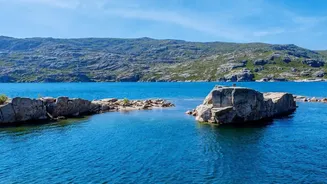


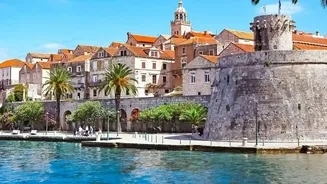
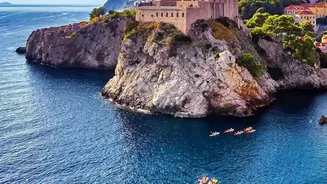
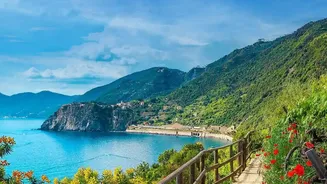
Croatia's dazzling coast and historic towns are no secret, drawing huge crowds to its most famous locations. But the real magic often lies just beyond the tourist trail. Here are five popular spots you can swap for a calmer, more authentic trip.
Instead of Dubrovnik, Visit Šibenik
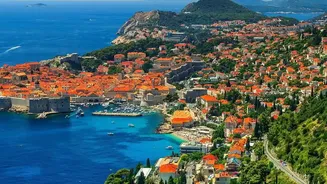
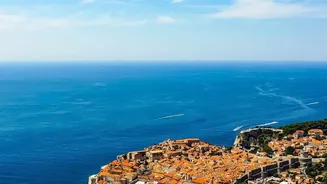
Dubrovnik,
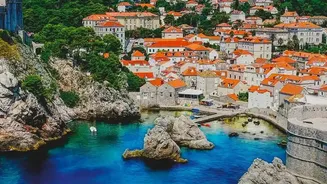
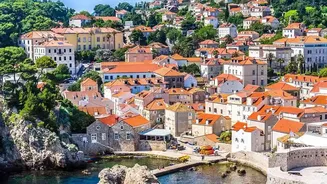
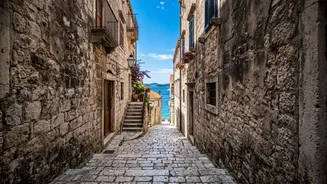
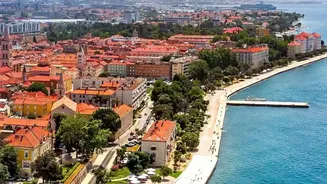
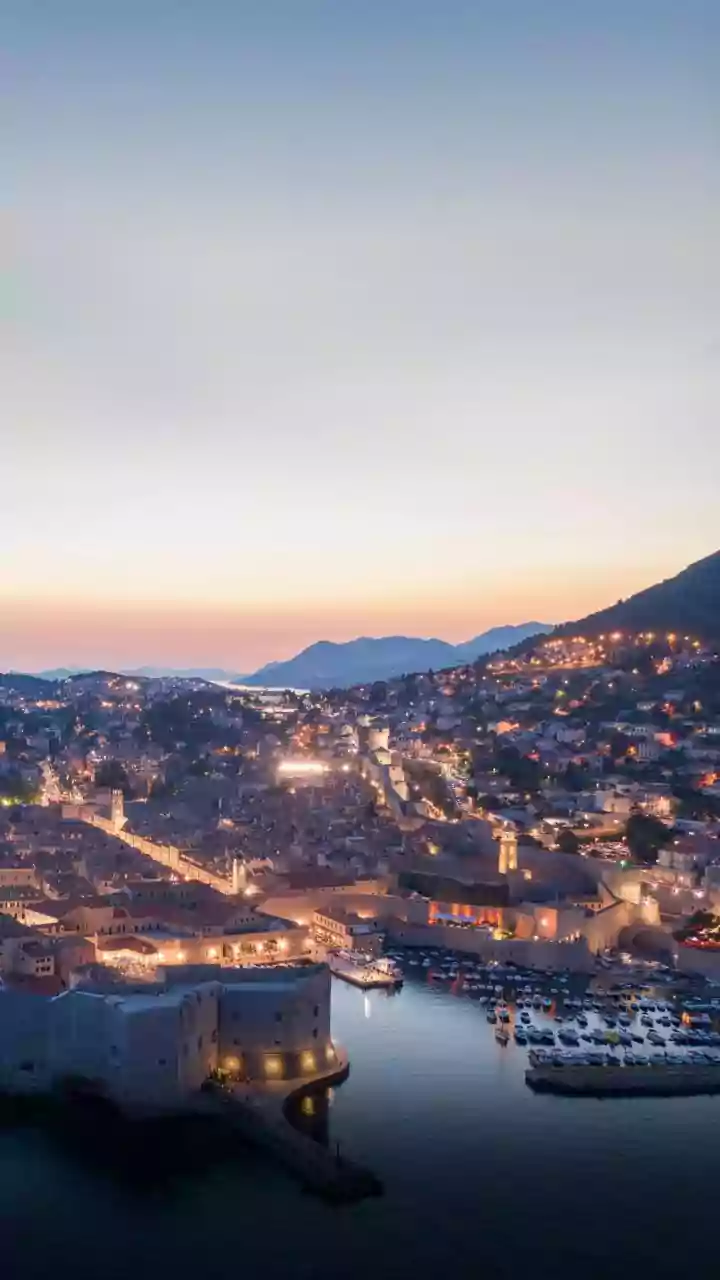
the 'Pearl of the Adriatic', is undeniably stunning, but its fame from film locations and cruise ship arrivals has led to overwhelming crowds. Walking the city walls or its main street, the Stradun, can feel like navigating a human traffic jam, especially during peak summer months. Prices are also among the highest in the country. For a similar vibe without the congestion, head north to Šibenik. This historic city has a more local, lived-in feel and boasts not one, but two UNESCO World Heritage sites: the Cathedral of St. James and St. Nicholas' Fortress. Its medieval centre is a charming labyrinth of stone alleys, hidden courtyards, and grand staircases that invite unhurried exploration. From Šibenik, you're also perfectly positioned to visit the beautiful waterfalls of Krka National Park or explore the tranquil islands of the Šibenik archipelago. It offers the architectural grandeur and coastal beauty of Dubrovnik but with room to breathe.
Instead of Hvar Town, Try Vis Island
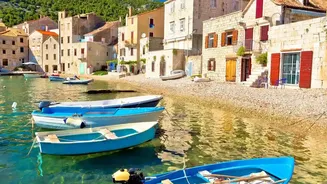
Hvar Town has a reputation as Croatia's premier party destination, known for its glamorous yacht scene, expensive clubs, and bustling waterfront. While beautiful, this focus on nightlife means high prices and a sometimes-frenetic atmosphere that can overshadow the island's natural charm. For an island escape that prioritizes authenticity and nature, take a ferry to Vis. As a former Yugoslav military base, Vis was closed to foreign visitors until 1989, a fact that preserved its rugged, unspoiled character. Here, you'll find a more relaxed pace of life, with charming fishing villages like Komiža and stunning, secluded coves such as Stiniva Beach. The island is a haven for foodies, offering exceptional local Vugava and Plavac Mali wines and family-run 'konoba' restaurants where the menu is whatever was caught that morning. It delivers the quintessential Adriatic island experience—clear waters, historic stone villages, and genuine tranquility—that Hvar Town often promises but struggles to provide amid the crowds.
Instead of Plitvice Lakes, Explore Mljet National Park
Plitvice Lakes National Park is a natural wonder, with its sixteen terraced lakes connected by waterfalls. However, its global fame means the narrow wooden boardwalks can become incredibly congested, with long queues forming just to walk the paths, particularly in July and August. The experience can feel more like waiting in a line than being immersed in nature. A more serene alternative is Mljet National Park, located on the lush, green island of the same name. A large portion of the island is a protected park, centered around two saltwater lakes, Veliko and Malo Jezero (Big and Small Lake). You can cycle or walk the shaded paths around the lakes, rent a kayak for a peaceful paddle, and even swim in the warm, clear water. At the centre of the Big Lake sits a tiny islet with a 12th-century Benedictine monastery, now home to a restaurant. Easily reachable by ferry from Dubrovnik, Mljet offers breathtaking scenery and a true sense of peace that is increasingly hard to find at Plitvice.
Instead of Split's Palace, Discover Trogir
Split is a vibrant, dynamic city built around the ancient Diocletian's Palace. This living monument is incredible, but its central courtyards and narrow passages can become extremely congested with tour groups and daily foot traffic. It can be a challenge to appreciate the Roman architecture when you're shoulder-to-shoulder with thousands of other visitors. Just a 30-minute drive away is Trogir, a UNESCO World Heritage island-town that offers a more compact and relaxed historical experience. Connected to the mainland by a small bridge, Trogir's entire old town is a beautifully preserved collection of Romanesque, Renaissance, and Baroque architecture. You can wander its marble-paved alleys, admire the stunning cathedral, and enjoy a coffee along the wide, palm-lined waterfront promenade without the intense crowds of Split. It provides all the historical charm and coastal atmosphere on a more manageable and intimate scale.
Instead of Rovinj, See Primošten or Cavtat
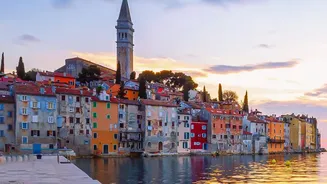
Rovinj, with its colourful houses tightly packed on a peninsula, is arguably Istria's most picturesque town. But its postcard-perfect looks have made it a magnet for day-trippers, and its narrow, cobbled streets are often clogged with tourists, especially in summer. For a similar scenic coastal town experience, consider Primošten. Located between Šibenik and Split, Primošten is famous for its old town situated on a small peninsula, connected to the mainland by a narrow causeway. It boasts beautiful pebble beaches, excellent local vineyards, and a more laid-back atmosphere. Another fantastic option, especially if you're in the south, is Cavtat. Just a short boat or bus ride from Dubrovnik, Cavtat offers a gorgeous harbour, pine-forested peninsulas perfect for walking, and a relaxed seaside ambience. Both towns provide that quintessential Croatian coastal charm without the overwhelming crowds of Rovinj.