






The Silent Threat: How Humidity Damages Gear
It’s not just a direct downpour you need to worry about; it's the air itself. During the monsoon, humidity levels can soar to between 80% and 95%. This high concentration of water vapour in the air is a menace to your belongings. For electronics, it’s
a recipe for disaster. Moisture can seep into devices, causing condensation on internal circuit boards, which leads to short circuits, corrosion of metal parts, and eventual failure. But it doesn't stop there. Leather goods like bags, shoes, and belts can develop mould and mildew. Clothes, especially natural fibres like cotton, absorb moisture, leading to a persistent musty smell and even bacterial growth. Important documents can become warped and unreadable, while camera lenses can develop fungus that permanently affects image quality.
The First Line of Defence: Choosing the Right Bag
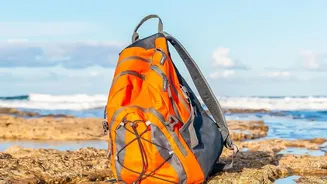
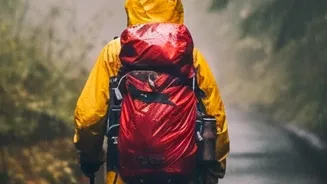
Your primary defence is the bag you carry. While many backpacks and suitcases are labelled "water-resistant," this often just means they have a coating that repels light showers but will fail in a sustained downpour or high-humidity environment. For monsoon travel, truly "waterproof" is the goal. Hard-shell luggage made from polycarbonate is an excellent choice as water simply rolls off the non-absorbent surface. If you prefer a backpack, look for one made from waterproof fabric like TPU-laminated nylon or one that comes with a dedicated, seam-sealed rain cover. Pay attention to the zippers; covered or sealed zippers are crucial weak points where water often seeps in. For maximum protection, consider using a roll-top dry bag, a favourite among rafters and bikers for its ability to create a truly airtight seal.
Internal Armour: Compartmentalise to Protect
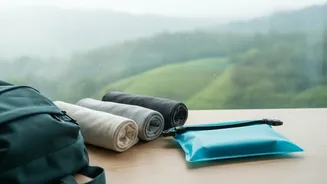
Even with a great outer bag, smart internal organisation is key. The principle is simple: isolate your sensitive items. Ziplock bags are an inexpensive and incredibly effective tool. Pack all your electronics—chargers, power banks, phones, and earphones—into individual ziplock bags. Do the same for important documents like your passport, tickets, and hotel bookings. For clothing, consider using packing cubes or larger compression bags. Not only do these organise your suitcase, but they also provide an additional barrier against any moisture that might breach your main bag. This strategy also helps contain a leak; if a shampoo bottle opens or a wet jacket needs to be packed, the rest of your belongings remain safe and dry.
The Unsung Hero: Harnessing the Power of Desiccants
Those little silica gel packets you find in new shoe boxes and electronics packaging are one of your best weapons against humidity. Silica gel is a desiccant, meaning it actively absorbs moisture from the surrounding air. Its porous structure can trap a large amount of water vapour, making it ideal for protecting sensitive items in enclosed spaces. Don't throw them away; save them up before your trip. Place a few packets inside the ziplock bags containing your electronics, camera gear, and important papers. You can also toss a few larger packets into your main luggage and shoe bags to combat overall dampness and prevent musty odours from developing.
Smart Habits on the Road
Your strategy doesn't end with packing. Once you're on your drive, a few smart habits can make all the difference. Never place your bag on a wet floor in a car, bus, or hotel room; moisture can easily seep in from the bottom. When you stop for the night, if you're in a dry, air-conditioned room, take the opportunity to air out your gear. Open your bags and let the contents breathe. If any clothes feel slightly damp, hang them up to dry completely before repacking. Should a device get wet, resist the urge to turn it on immediately. Power it down, remove the battery if possible, and place it in an airtight container with plenty of silica gel packets, which are more effective than the commonly cited uncooked rice.