



The Rise of a Humble Superfood
For centuries, millets like jowar (sorghum), bajra (pearl millet), and ragi (finger millet) have been staple foods in Indian households. These ancient grains are now experiencing a major comeback, moving from traditional rotis and porridges into the modern
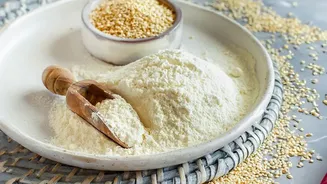
baker's pantry. The reason for this resurgence is clear: millets are nutritional powerhouses. They are naturally gluten-free, making them a blessing for those with sensitivities. Furthermore, they are packed with dietary fibre, protein, and essential minerals like magnesium and iron, offering a far superior nutritional profile compared to refined wheat flour (maida). This shift is also driven by a desire for more sustainable ingredients, as millets are hardy crops that require less water to grow, making them good for both our bodies and the environment.
Which Millet Flour for Your Brownie?
Not all millets are created equal, and choosing the right one can make all the difference. Jowar (sorghum) flour is a great starting point for beginners, as it has a mild, neutral taste that is the most similar to wheat. This allows the rich flavour of the chocolate to remain the star of the show. Ragi (finger millet) flour has a deep, earthy flavour and a distinctive reddish-brown colour that can intensify the dark, decadent look of a brownie. It’s also exceptionally high in calcium. Bajra (pearl millet) offers a slightly nutty, bolder taste that pairs well with strong flavours like dark chocolate and coffee. Many bakers find that a blend of different millet flours—or combining millet with a neutral flour like oat or almond—yields the best texture and flavour.
Mastering the Texture and Taste
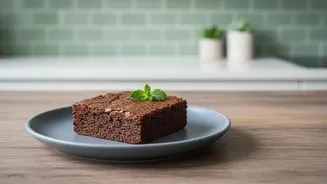
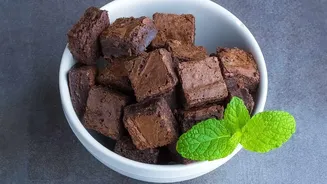
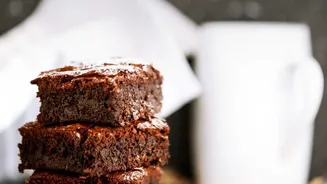
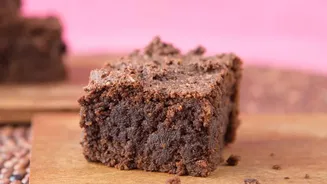
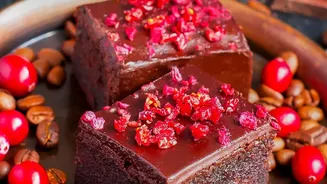
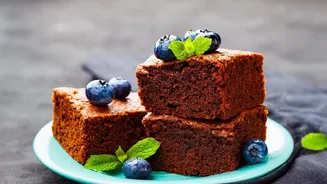
The biggest question for any brownie purist is whether a millet-based version can match the texture of the original. The answer is a resounding yes, though the result is slightly different. Since millet flours are gluten-free, they absorb more moisture, which often results in a denser, fudgier brownie rather than a light, cakey one. For many, this is a feature, not a flaw. The key is to ensure your recipe has enough liquid and fat (like butter, oil, or yoghurt) to keep the final product from becoming dry. The earthy notes of millet flours are beautifully complemented by high-quality dark chocolate, coffee, or even spices like cinnamon. Using sweeteners like jaggery instead of refined sugar can also enhance these flavours and add to the brownie's moistness.
Essential Tips for Baking with Millets
Swapping refined flour for millet isn't always a simple one-to-one substitution. To ensure success, keep a few key tips in mind. First, don't overmix the batter; fold the ingredients gently until just combined. Second, let the batter rest for 10-15 minutes before baking. This allows the millet flour to fully absorb the liquids, which significantly improves the final texture. Because they lack gluten, millet batters don't have the same elasticity, so using a binding agent like flaxseed powder or yoghurt can help provide structure. Finally, be careful not to overbake. Millet brownies are best when they are slightly underdone, as they will continue to set and firm up as they cool, locking in that desirable fudgy consistency.