



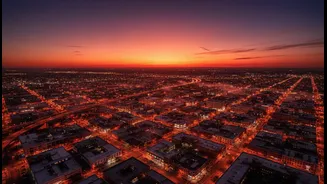
The City's Lingering Fever
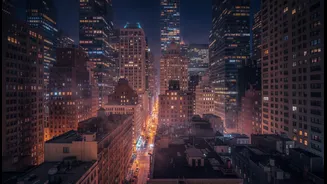
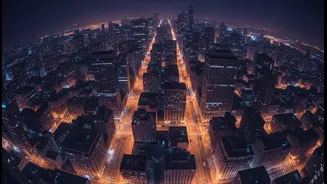
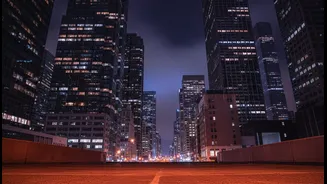
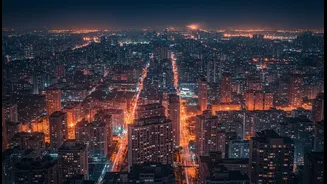
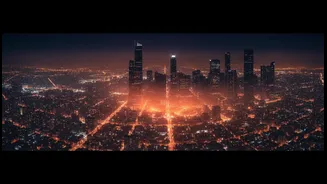
We have all felt it: the oppressive warmth that radiates from pavements and buildings long after sunset. This phenomenon is known as the Urban Heat Island (UHI) effect. Cities, with their dense clusters of concrete, asphalt, and dark roofing, absorb and store
enormous amounts of solar radiation during the day. Unlike rural areas with more vegetation and open land, which cool down quickly after dark, these urban materials release their stored heat slowly throughout the night. The result is a significant temperature difference, with city centers often being several degrees warmer than their surrounding, greener counterparts. This effect is not a minor inconvenience; it is a major health risk, and it is most pronounced at night.
Beyond Temperature: The Midnight Heat Index
To understand the danger, we must look beyond the simple temperature reading. The heat index combines air temperature with relative humidity to measure how hot it really feels to the human body. When humidity is high, sweat cannot evaporate as effectively, hindering the body's primary cooling mechanism. Scientists and health officials are now paying closer attention to the heat index at night. High nighttime temperatures, particularly when coupled with humidity, prevent the body from cooling down and recovering from the heat stress accumulated during the day. This cumulative stress is what multi-city studies are flagging as a critical and often overlooked danger of a warming climate.
The Body Under Nightly Siege
Our bodies are designed to cool down and recuperate during sleep. This vital recovery period is compromised when nighttime temperatures remain high. Continuous heat exposure puts a relentless strain on the cardiovascular system, as the heart works harder to pump blood to the skin to dissipate heat. For the elderly, young children, and individuals with pre-existing conditions like heart disease, diabetes, or respiratory illnesses, this strain can be deadly. Studies have shown a direct link between hot nights and increased hospitalizations for issues like stroke and circulatory problems. The lack of nighttime relief can lead to heat exhaustion, heatstroke, and even death, often on the second or third day of a heatwave as the body’s resilience is worn down.
A Global Warning from Urban Hubs
This isn't a problem confined to one or two cities; it's a global pattern. Research spanning dozens of countries confirms an association between hot nights and increased mortality risk across almost all climates. From New Delhi to Houston, urban centers are showing that minimum temperatures are rising faster than daytime highs, a clear signal of the intensifying UHI effect. One analysis found that people in many US cities experience an extra two to six hours of uncomfortable weather per day, primarily at night. Another global study found that due to climate change, billions of people now experience additional weeks of dangerously hot nights. These studies collectively warn that our current heat warning systems, which often focus only on daytime peaks, are missing a critical part of the crisis.
Rethinking Our Concrete Jungles
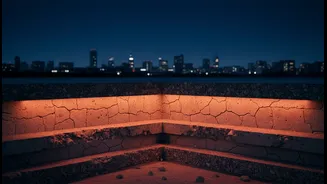
The core of the problem lies in how we build our cities. Vast expanses of dark asphalt and traditional concrete absorb up to 95% of the sun's energy. However, the science that identifies the problem also points toward solutions. Innovations in building materials, such as more reflective or 'permeable' concrete, can help reduce heat absorption and allow surfaces to cool faster. Increasing urban green spaces, planting more trees for shade, and installing 'cool roofs' made of lighter, more reflective materials are all proven strategies to combat the UHI effect. These measures not only cool our cities but also improve air quality and create more livable communities. The warnings from these climate studies are not just a diagnosis; they are a call to action to design and retrofit our cities for a hotter future.