




An Accidental Collision Course
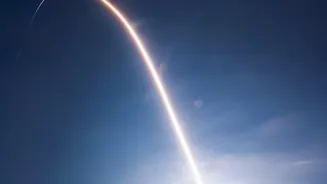
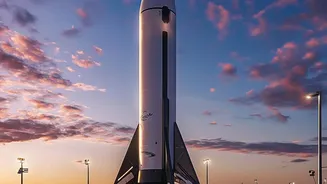
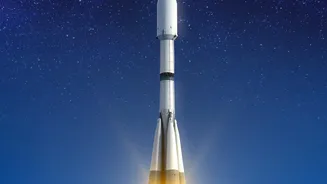
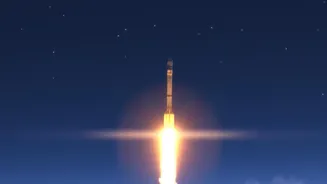
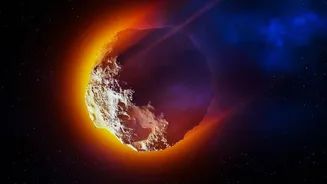
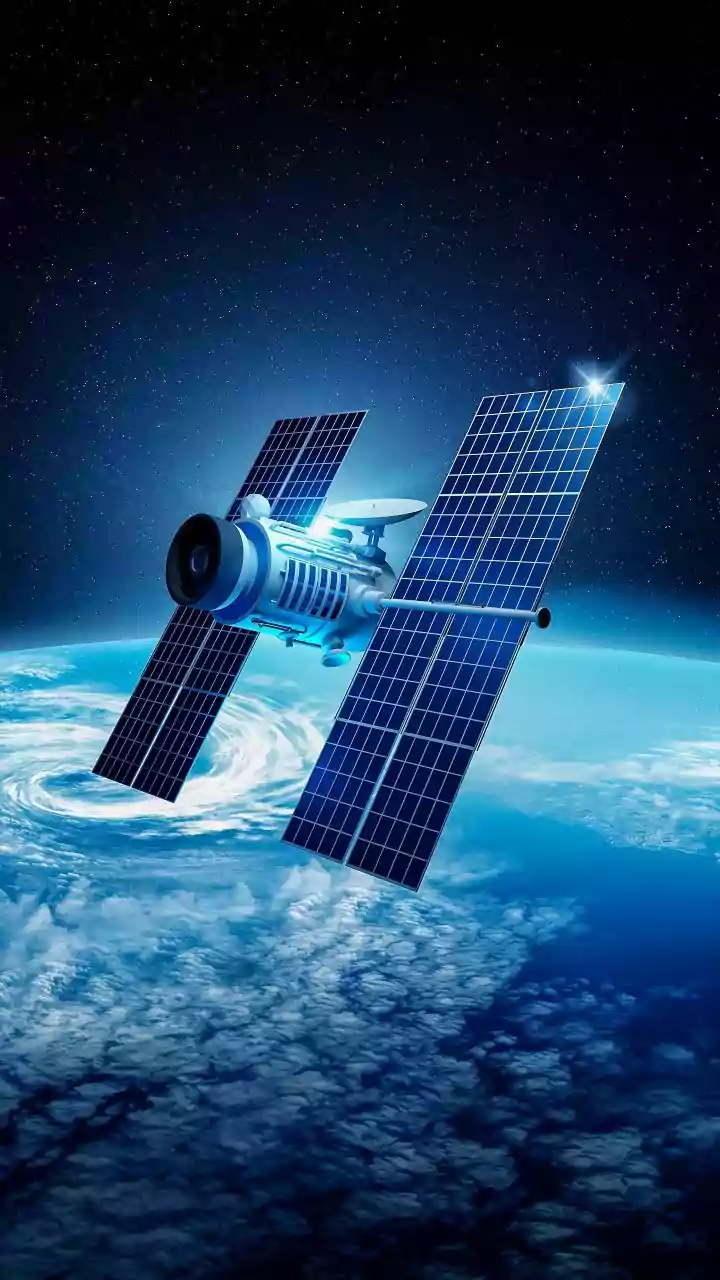
On August 5, 2026, the upper stage of a Falcon 9 rocket concluded its 19-month journey through space by crashing into the Moon at over 8,000 kilometres per hour. This particular rocket stage had completed its primary mission back in January 2025, when
it propelled two private lunar landers toward the Moon. While the main boosters of Falcon 9 rockets are famously reusable, this smaller second stage was disposable. Typically, such stages are directed to burn up in Earth's atmosphere. However, this one was in a high orbit and didn't have enough fuel to return. Instead, a combination of solar activity and gravitational forces slowly altered its path, putting it on a collision course that independent astronomers first identified and NASA later confirmed had a 100% chance of impacting the Moon.
A Plume of Scientific Opportunity
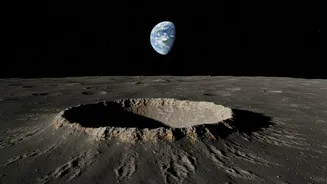
Why are scientists excited about a crash? The answer lies in the plume of material ejected by the impact. When the four-tonne rocket stage hit the surface, it was expected to blast out a new crater, potentially up to 100 feet wide, and send a massive cloud of lunar dust and rock miles into the sky. This plume provides a rare glimpse into the composition of the Moon's subsurface—material that hasn't seen sunlight in potentially billions of years. By analyzing the light that passes through this dust cloud, a technique called spectroscopy, scientists can determine its chemical makeup. This isn't the first time an impact has been used for science; in 2009, NASA intentionally crashed its LCROSS mission into the Moon, which led to the landmark discovery of water ice near the lunar south pole.
The Hunt for Lunar Secrets
The key scientific goal is to understand what the Moon is made of beyond its dusty surface. While the impact itself wasn't visible from Earth with the naked eye, powerful instruments were trained on the predicted crash site. Early observations from the European Southern Observatory's Very Large Telescope in Chile detected a plume of sodium and lithium gas lasting for five to ten minutes after the collision. The sodium is believed to have come from the lunar soil itself, while the lithium may have originated from the rocket's components, helping to confirm the impact occurred as predicted. The bigger prize would be detecting water ice, which this impact could help quantify in a new region of the Moon. Such discoveries are vital for planning future human exploration, as local resources like water could one day support a permanent lunar base.
Observing from Afar
Confirming the full results requires a coordinated effort. Ground-based telescopes provided the first clues, but the most detailed information will come from spacecraft already orbiting the Moon. NASA's Lunar Reconnaissance Orbiter (LRO) and South Korea's Pathfinder Lunar Orbiter were tasked with searching for the new crater. By taking 'before and after' images of the impact zone, researchers can precisely measure the crater's size and analyze the ejecta blanket—the pattern of debris thrown across the surface. Finding the crater and studying it will provide direct physical evidence of the impact's effects, helping to refine models of how craters form not just on the Moon, but across the solar system. It may take days or even weeks for the orbiters to pass over the site with the right lighting conditions to get a clear view.