



The Soul of a Lived-In Space
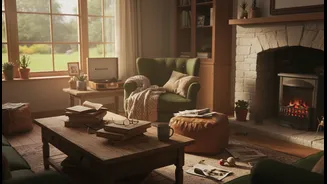
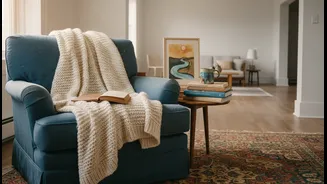
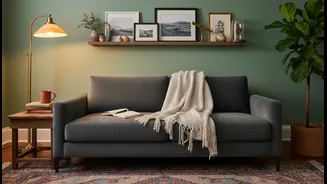
Let’s reframe our thinking. A small scuff mark near the shoe rack isn’t a flaw; it’s a sign of countless homecomings. A well-worn patch on the sofa is a ghost of movie nights and long conversations. These are the gentle imprints of life. A home should
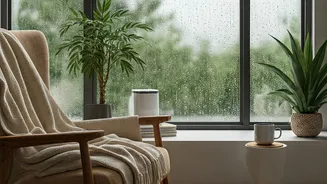
evolve with its inhabitants, gathering stories and personality. This is the crucial difference between 'used' and 'neglected'. A used home is cared for—the plants are watered, the surfaces are clean, the space feels vibrant. A neglected home, by contrast, shows signs of decay and apathy—a leaky tap that’s ignored, grime building up in corners, or broken fixtures left unfixed. One speaks of life, the other of disregard. Embracing the 'used' aesthetic is about giving yourself permission to truly inhabit your space.
The Psychology of Personalisation
Living in a space that doesn’t reflect you can be psychologically draining. It can feel temporary, like you're perpetually waiting for your 'real' life to begin. The act of personalising our environment is a powerful form of self-expression that contributes to our well-being. It gives us a sense of control and belonging. When your surroundings are tailored to your needs and tastes, it can reduce stress and make daily life more enjoyable. A home that is a true reflection of your personality doesn't just look better; it feels better. This is why moving beyond the landlord-provided basics and adding your own layers is not just a decorating choice, but a mental health one.
Wear and Tear vs. Damage
The biggest fear for any Indian renter is losing their security deposit. This fear often leads to living in a clinical, impersonal environment. The key is to understand the legal and practical distinction between 'normal wear and tear' and 'damage'. Normal wear and tear is the expected, gradual decline of a property from everyday use—things like faded paint, minor scuff marks, or worn-out carpet in high-traffic areas. Damage, however, results from negligence, accidents, or intentional misuse, such as large holes in the wall, broken windows, or deep stains on the floor. Indian rental agreements, typically for 11 months to avoid registration hassles, should specify these terms. Tenants are generally expected to return the property in the condition they received it, accounting for this normal wear and tear.
Smart Customisation for the Cautious Renter
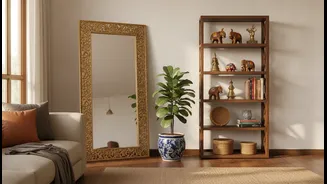
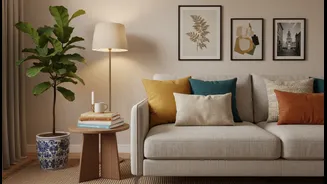
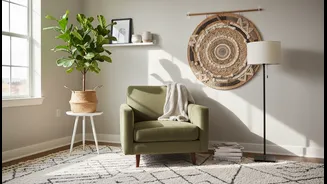
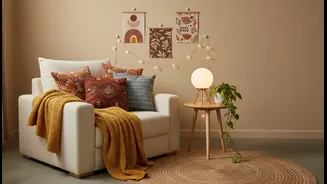
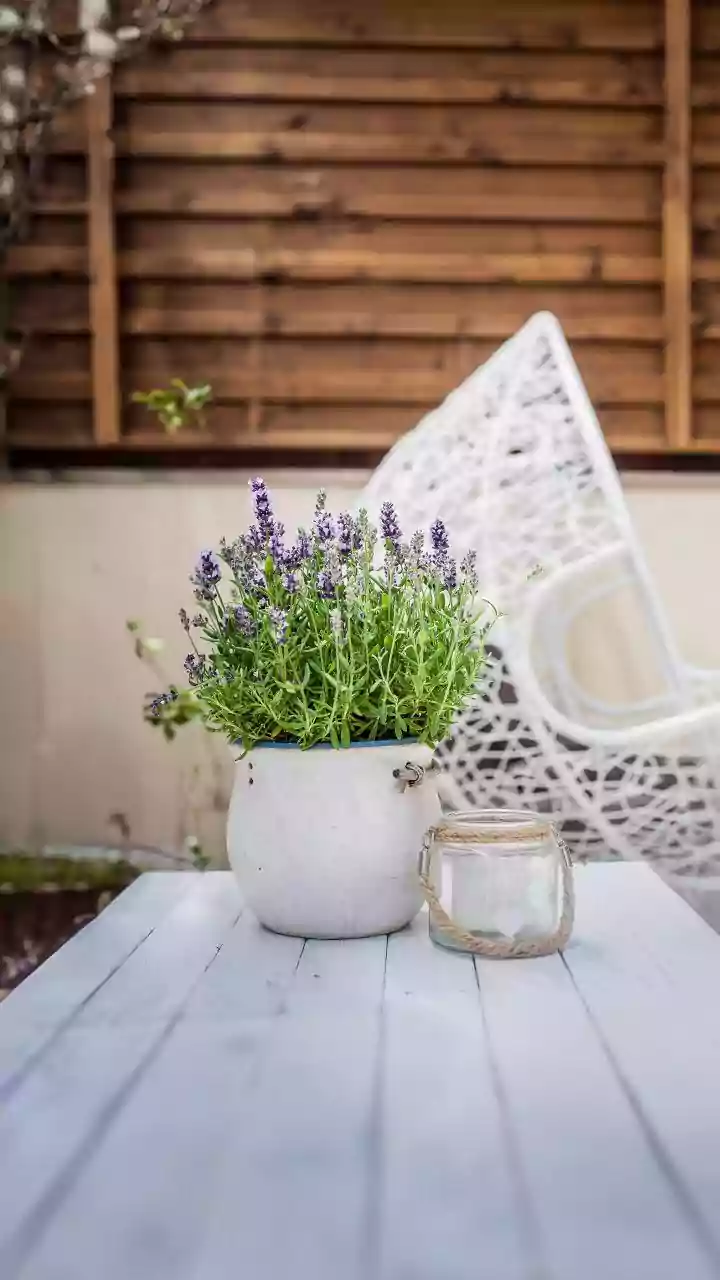
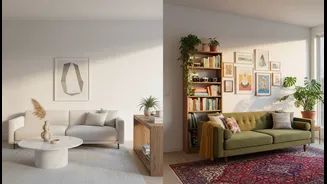
Making a rental your own doesn't have to mean permanent changes. There's a whole world of damage-free decorating. Use textiles like vibrant rugs, curtains, and cushions to inject colour and texture. Freestanding bookshelves or cube storage units can add personality and create zones without drilling into walls. Lighting is transformative; use floor lamps and fairy lights to create a warm, inviting atmosphere. Removable peel-and-stick wallpaper or decals can create a stunning accent wall without a long-term commitment. Instead of drilling, lean large mirrors or framed artwork against walls for a chic, modern look. And never underestimate the power of plants to literally bring a room to life.
The Art of the Landlord Conversation
What if you want to make a slightly more significant, but reversible, change? The key is communication. Approach your landlord with a clear, respectful proposal. Instead of asking for permission to 'make changes', frame it as a benefit to them. A tenant who cares enough to improve their living space is also a tenant who is likely to take excellent care of the property. Perhaps you want to install a modern, water-saving tap or replace dated cabinet handles. Offer to do it professionally and perhaps even leave the improvement behind when you go. Many landlords are open to reasonable requests from good tenants, especially if you offer a longer lease in return or have a track record of paying rent on time. Always get any agreement in writing to avoid misunderstandings later.