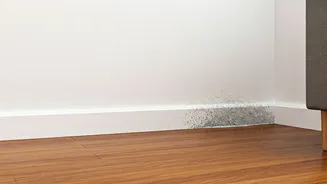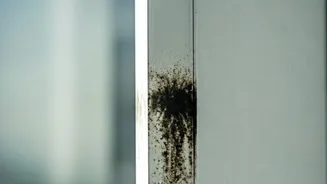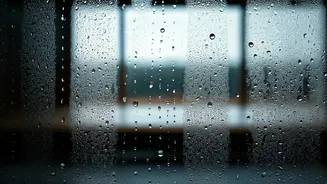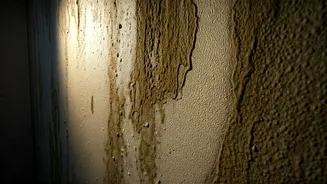





Identify the Source of the Dampness
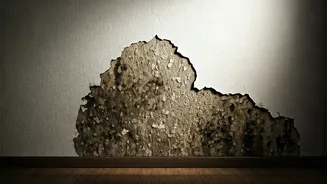
Before you can fix the problem, you need to know what's causing it. Dampness in walls generally comes from three main sources. Penetrating damp occurs when water from outside seeps through cracks in the walls or roof. Rising damp happens when groundwater
travels up through the brickwork, usually seen in older homes. The most common cause is condensation, which forms when warm, moist air hits a cold surface, a frequent issue in kitchens and bathrooms.
Improve Your Home's Ventilation
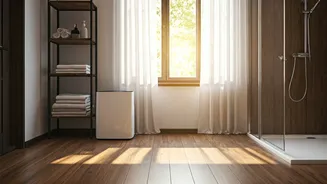
Good air circulation is one of the simplest and most effective ways to combat dampness caused by condensation. Make it a habit to open windows and doors for a period each day to let fresh air circulate and push out moist air. In high-moisture areas like the kitchen and bathroom, using exhaust fans while cooking or showering can make a significant difference. Even small adjustments, like leaving a small gap between your furniture and the walls, can improve airflow and prevent moisture from getting trapped.
Inspect and Repair Leaks and Cracks
Water often finds its way inside through small, overlooked entry points. Regularly inspect your home for potential problems. Check the exterior walls and roof for cracks, especially before the monsoon season begins, and fill them with a waterproof filler or sealant. Ensure that your gutters and rooftop drainage systems are clean and clear of debris to prevent water from overflowing and accumulating near the walls. Also, check for any plumbing leaks within the walls or faulty sanitary fittings, as even a small drip can cause significant dampness over time.
Waterproof from the Outside and Inside
Applying a protective barrier is a crucial step in keeping walls dry. For exterior walls, consider using waterproof coatings or liquid membranes that prevent rainwater from being absorbed. On the inside, waterproof paints and sealants can be highly effective, especially in areas prone to dampness like bathrooms and kitchens. These products create a moisture-resistant barrier that helps prevent issues like peeling paint and mould growth. For more severe issues, a cementitious coating can be applied directly to the interior walls for a more robust waterproof layer.
Manage Indoor Humidity Levels
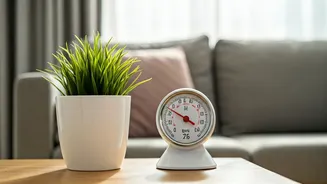
Beyond ventilation, you can take other steps to manage the amount of moisture in the air. Avoid drying clothes indoors if possible, as this releases a large amount of humidity. If you must dry them inside, ensure the room is well-ventilated or use a dehumidifier. Dehumidifiers are excellent for pulling excess moisture from the air in damp-prone areas. For a more natural approach, placing bowls of salt or charcoal bags in corners or cupboards can help absorb ambient moisture.