



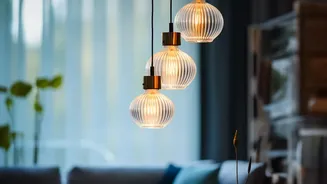
From Utility to Art
For decades, lighting in many Indian homes was a practical affair, an afterthought once the walls were painted and the furniture was placed. The goal was simple: banish darkness. This often resulted in a grid of ceiling lights or a single, central tube
light flooding the space with flat, uniform brightness. Today, that approach is being turned on its head. Architects and designers now report a significant shift where lighting is considered a foundational element of interior design from the very beginning. Homeowners are moving away from off-the-shelf fixtures and are instead seeking pieces that resonate with their lifestyle and the story of their home. The conversation is no longer just about wattage and coverage; it's about mood, character, and creating a space that feels authentic.
The Power of the Single Statement
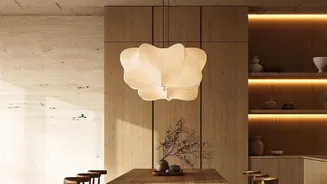
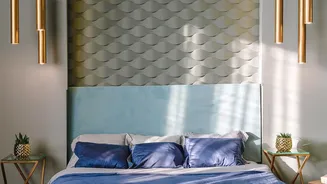
The core of this trend is the 'less is more' philosophy. Instead of multiple, forgettable fixtures, the focus is on investing in one or two standout pieces that act as functional art. Think of a sculptural, geometric chandelier that hangs like a mobile over a dining table, or a cluster of hand-blown glass pendant lights that create a visual rhythm above a kitchen island. These statement pieces serve as the focal point of a room, demanding attention and setting the tone even when switched off. Designers note that one well-chosen decorative light can achieve more visual impact than five ordinary ones, transforming a space with its form and presence. It’s a move from lighting a room to curating it.
What 'Character' Looks Like
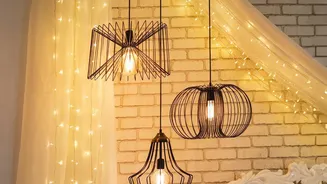
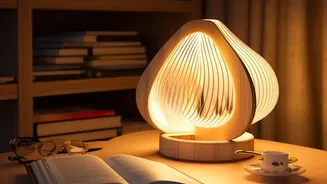
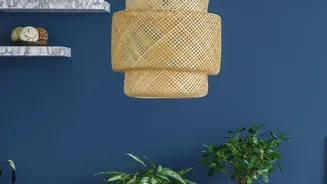
So, what defines these 'characterful' lights? The answer is a vibrant mix of styles. There is a growing appreciation for artisanal and handcrafted pieces that celebrate India's rich heritage of craftsmanship. These might include fixtures made by skilled artisans using traditional techniques, incorporating materials like hand-painted leather, terracotta, cane, brass, or handwoven fabrics. Alongside this is a surge in biophilic designs that mimic natural and botanical forms, bringing a sense of the outdoors in. At the other end of the spectrum, minimalist and abstract sculptural forms are hugely popular in urban apartments, often combining materials like metal, stone, and frosted or smoked glass. These pieces are not just lights; they are expressions of personal taste.
An Investment in Atmosphere
Calling lighting an 'investment' also signals a change in spending habits. It reflects a desire for longevity and quality over mass-produced disposability. Homeowners are beginning to see the value in paying more for a bespoke or designer piece that will last for years, rather than a trendy but temporary fixture. This shift aligns with a broader interest in sustainability and mindful consumption. Furthermore, the investment is not just financial; it's an investment in the home's atmosphere. With the rise of smart lighting, a single fixture can offer multiple moods, from bright and energising for work to warm and soft for relaxation, all controlled via an app. This allows homeowners to tailor the ambience to suit their well-being, making the home a more responsive and comforting space.
Layering Is Key
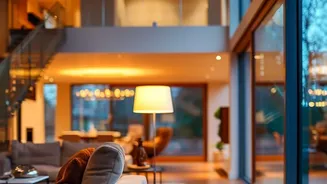
A statement light, however powerful, doesn't work in isolation. Interior designers stress the importance of 'layered lighting' to create a truly functional and beautiful space. This approach involves combining three types of light. First is ambient light, the general, foundational glow, which might still come from discreet recessed lights or sconces. Second is task lighting, focused light for activities like reading or cooking, often provided by floor lamps, table lamps or pendant clusters. Third is accent lighting, which highlights architectural features or artwork. In this model, the statement piece often serves as both a source of ambient light and a stunning accent, tying the entire room together. It’s the hero of the story, supported by a cast of carefully chosen secondary lights.