





Inspect the Website’s URL and Security
The first and quickest check is the website’s address. A secure, legitimate site will have a URL that begins with “https://,” not just “http://”. The 's' stands for secure, indicating that your data is encrypted. Also, look for a small padlock icon in the address bar.
However, scammers are getting smarter and many now use HTTPS to appear legitimate. So, you must also scrutinise the domain name itself. Fraudsters create lookalike URLs with subtle misspellings, like using a '0' instead of an 'o', or adding extra words like 'deals' or 'sale' to a well-known brand name. If the domain name seems odd or doesn't match the official brand, it's a major red flag.
If a Deal Seems Too Good to Be True, It Probably Is
Massive discounts of 80-90% on high-demand items like the latest smartphones or luxury brands are a classic bait tactic. Scammers know that the festive rush and the fear of missing out can make shoppers act impulsively. They lure you in with an unbelievable price, hoping you'll enter your payment details without thinking twice. Before getting excited about a dramatic price drop, compare the offer with official brand websites and major e-commerce platforms. If a price seems completely unrealistic from a business perspective, it's almost certainly a trap set to steal your financial information.
Verify the 'Contact Us' and 'About Us' Pages
A genuine business makes it easy for customers to get in touch. Look for a detailed 'Contact Us' page that provides a physical address, a working customer service phone number, and a professional email address. Many fraudulent sites either have no contact information at all, provide only a generic web form, or use a personal email address (like a Gmail account). A lack of transparency is a strong warning sign. Similarly, check for clear and well-written return policies, privacy policies, and terms of service. If these pages are missing, empty, or filled with grammatical errors, it suggests the site was built hastily and is not trustworthy.
Research Online Reviews and Reputation
Don't just trust the testimonials published on the website itself, as these can be easily faked. Instead, open a new browser tab and search for the website's name along with terms like “review,” “complaint,” or “scam.” Check for feedback on independent platforms and forums. A complete lack of online presence or reviews for a site claiming to be a popular store is suspicious. Also, check the company's social media presence. Scam pages on Facebook or Instagram often have very few followers, generic posts, and comments that look automated or fake.
Analyse the Payment Options
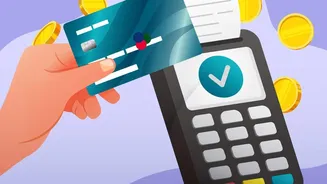
Be extremely cautious if a website only allows for prepaid payment methods like direct bank transfers, UPI to a personal number, or wire transfers. These methods are often non-reversible, making it nearly impossible to get your money back if something goes wrong. Legitimate e-commerce businesses offer secure, integrated payment gateways that accept credit cards, which often come with fraud protection from your bank. The absence of a Cash on Delivery (COD) option, especially on a new or unknown website, can also be a red flag, as it's a payment method that offers more security to the buyer.
Look for Poor Design and Errors
Professional companies invest in high-quality, user-friendly websites. Fraudulent sites, on the other hand, are often put together quickly and carelessly. Look for tell-tale signs of a scam, such as blurry or low-resolution product images, poor spelling and grammar throughout the site, and a clunky or unprofessional layout. If the product descriptions are vague or appear to be copied from another site, it's another reason to be suspicious. A polished and professional appearance doesn't guarantee a site is real, but a sloppy one is a definite cause for concern.