



Beyond the Universal Masala
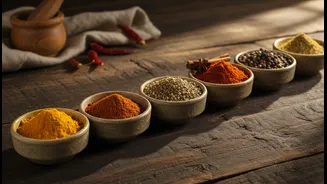
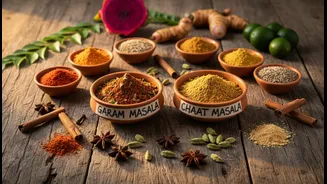
For decades, the global understanding of Indian spices was often simplified to a generic curry powder or the ubiquitous garam masala. While essential, these blends represent just a fraction of the subcontinent's vast aromatic library. Many intricate spice mixes,
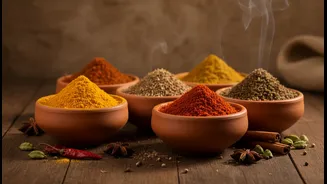
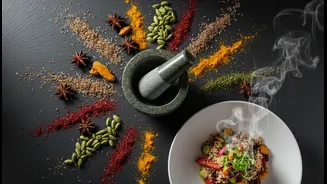
or masalas, were once the heart of regional, community, and royal cuisines, their recipes guarded secrets passed down through generations. These blends were often overshadowed by commercialised, one-size-fits-all versions. Now, a culinary renaissance is underway. Chefs are digging into India's diverse culinary archives, unearthing these forgotten flavour bombs and making them the soul of contemporary dishes.
The Royal Pouch of Hyderabad
One such treasure is Hyderabadi Potli Masala. 'Potli' means 'pouch', and that’s exactly what it is: a collection of around 20 whole spices, herbs, and roots tied in a small muslin cloth. Its origins are traced to the royal kitchens of Awadh, where a similar blend called Lazzat-e-Taam was used. The Hyderabadi version, however, evolved to include earthy, aromatic ingredients like vetiver root (khas ki jad), stone flower (pathar ka phool), and even sandalwood powder. Instead of being ground into the dish, the potli is simmered in slow-cooked preparations like nihari, paya, and haleem, infusing the broth with a subtle, layered fragrance without the grit of ground spices. The pouch is removed before serving, leaving behind an unparalleled depth of flavour—a true taste of princely legacy.
A Community's Legacy in a Bottle
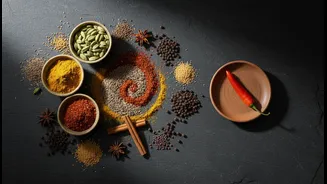
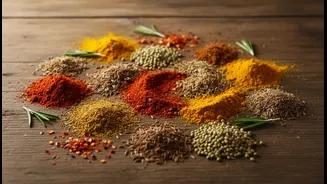
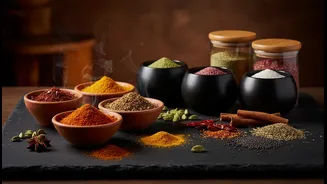
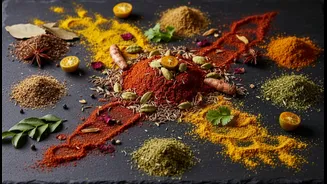
Meanwhile, from the coastal regions around Mumbai comes the legendary East Indian Bottle Masala. This vibrant, reddish-orange powder is the cornerstone of the cuisine of the East Indian Catholic community, a fusion of Portuguese and Maharashtrian influences. The name comes from the tradition of storing the mix in dark-coloured recycled beer bottles to protect its potent flavour and colour from sunlight. Far from a simple blend, a traditional Bottle Masala can contain a staggering 30 to 40 different ingredients, including various types of dried red chillies, coriander seeds, cumin, turmeric, poppy seeds, and many more, each roasted or sun-dried to perfection. Every family has its own closely guarded recipe, making it a unique expression of culinary identity.
The Old Made New Again
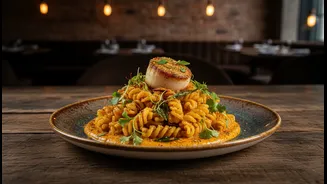
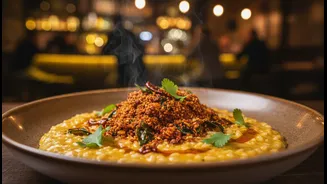
The resurgence of these masalas is being driven by chefs who are blending Indian heritage with global techniques. Imagine a lamb shank, traditionally prepared with a rich, heavy gravy, now slow-cooked sous-vide with a Potli Masala infusing its essence, served alongside a delicate risotto. Picture grilled fish seasoned not with a generic spice rub, but with a complex Bottle Masala that brings with it generations of culinary history. Another blend finding new life is Panch Phoron, the five-spice blend from Eastern India, which consists of whole fenugreek, nigella, cumin, mustard, and fennel seeds. Traditionally used for tempering dals and vegetables, it's now being used to infuse oils for dressings, as a crust for roasted meats, or even in artisanal breads, adding a signature punchy, aromatic flavour.
A Delicious Form of Storytelling
This trend is about more than just creating novel dishes; it's an act of cultural preservation. By placing these hyperlocal masalas at the center of modern menus, chefs are ensuring that these complex flavours aren't lost to time. They are re-introducing diners to a more nuanced and diverse Indian palate, moving the narrative beyond a handful of well-known dishes. Each plate becomes a history lesson, connecting the diner to the specific region, community, and traditions behind the blend. It's a movement that celebrates the true diversity of India's culinary landscape, proving that sometimes, the most exciting new flavours are the ones that have been waiting patiently in the archives.