








India's Silent Health Crisis
India is grappling with a slow-motion public health emergency. Non-communicable diseases (NCDs) such as diabetes, hypertension, heart disease, and cancer have replaced infectious diseases as the nation's primary health burden. These conditions, often
linked to sedentary lifestyles, poor diet, and stress, are now responsible for more than six out of every ten deaths in the country. This shift is not just a health statistic; it represents a profound challenge to families and the economy. The economic impact is projected to cost India trillions of dollars in lost productivity and healthcare expenses by 2030, with out-of-pocket medical costs pushing many households into financial distress. This growing crisis has made it clear that a healthcare system focused only on treatment is unsustainable. The conversation is now shifting towards a more intelligent approach: prevention.
Workplaces as the New Wellness Hubs
In response to this challenge, many Indian companies are stepping up. Corporate wellness programs have evolved from simple perks into strategic business imperatives. The Indian corporate wellness market is now valued at approximately INR 20,000 Crore, a testament to its growing importance. Employers are increasingly recognizing that a healthy workforce is a productive one. By offering benefits like gym memberships, mental health support, nutritional guidance, and regular health screenings, companies are seeing tangible returns. These include lower absenteeism, higher productivity, reduced healthcare claims, and an improved ability to attract and retain top talent. These initiatives are transforming workplaces into frontline hubs for preventive health, encouraging healthier habits that extend beyond the office.
Making Fitness Accessible for All
While corporate efforts are vital, they only reach a fraction of the population. True change requires a national policy shift, and signs of this are emerging. The Indian government's think tank, Niti Aayog, is reportedly developing a roadmap to manage lifestyle diseases, which includes considering incentives like subsidised gym memberships. This move follows earlier initiatives like the Fit India Movement, designed to foster a culture of fitness nationwide, and reductions in the GST on gym services to make them more affordable. The goal of such policies is to democratise fitness, transforming it from a luxury accessible only to some into a public utility available to all. By lowering financial barriers, the government can empower millions more to take control of their health, particularly in Tier II and Tier III cities where access may be limited.
A Healthier Nation is a Wealthier Nation
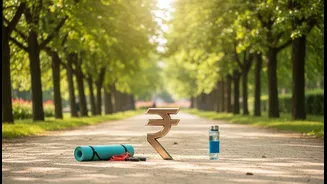
The argument for preventive fitness is ultimately an economic one. Every rupee invested in helping people stay healthy saves many more in future treatment costs. Preventive care reduces the number of avoidable hospital admissions, protecting families from crippling medical bills. For the nation, the benefits are even greater. A healthier population means a more productive workforce, which is essential for long-term economic growth. Studies have shown a direct link between the rise in NCDs and a reduction in GDP growth. By investing in preventive policies now, India can secure a healthier, more productive, and more prosperous future. This is not an expense, but one of the highest-return investments the country can make in its people and its economy.