


Why Grow Kiwifruit in a Pot?
Growing kiwifruit in pots is a game-changer for anyone with limited space. It allows you to control the soil mix perfectly, which is crucial since kiwis hate waterlogged roots but also need consistent moisture. A container lets you provide the ideal slightly
acidic, well-draining soil they need to thrive. Furthermore, for those in cooler climates, a potted vine can be moved to a sheltered spot like an unheated garage during harsh winter freezes to protect the roots, a key advantage over in-ground planting. This control makes what seems like an exotic fruit a surprisingly manageable and rewarding home gardening project.
Finding the Perfect Pot
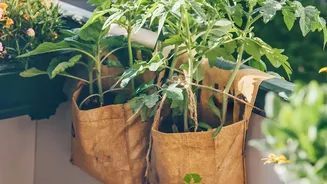
The headline's mention of 'reusing large pots' is a fantastic starting point for keeping costs down. That old, oversized planter in the corner of your garden is perfect for this. When it comes to size, bigger is better. A kiwi vine needs a pot that is at least 45-60 cm (18-24 inches) wide and deep, which translates to roughly a 20-gallon (about 75-litre) container or larger. This size is necessary to support the extensive root system that fuels the vigorous vine and eventual fruit production. Ensure any pot you use has excellent drainage holes, as kiwi roots are prone to rot if they sit in water.
Choosing the Right Kiwi Vine
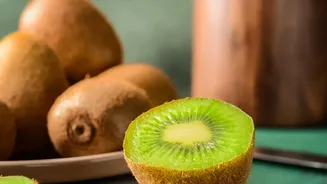
Traditionally, growing kiwifruit requires both a male and a female plant for pollination. For a space-saving and economical container setup, this is impractical. The solution is to choose a self-fertile variety. Cultivars like 'Issai' and 'Jenny' are excellent choices for pots. 'Issai' is a hardy kiwi (Actinidia arguta) that produces smaller, smooth-skinned, grape-sized fruits and is less vigorous, making it ideal for container life. 'Jenny' produces the classic fuzzy fruit we know from stores and is also self-pollinating. Opting for a self-fertile plant means you only need to buy and care for one vine, simplifying the entire process.
The Importance of Support
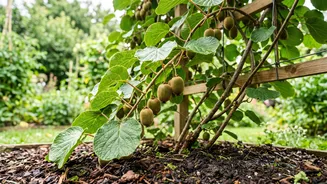
Kiwifruit grow on vigorous climbing vines that need a strong support system to thrive, even in a pot. Simply sticking a small cane in the soil won't be enough. A sturdy trellis, obelisk, or a wire system attached to a nearby wall is essential. This structure not only supports the heavy weight of the mature vine and its fruit but also ensures good air circulation and sunlight exposure for all the leaves, which helps prevent disease and ripen the fruit. Plan for a support structure that is at least 1.8 metres (6 feet) high right from the beginning.
Sun, Water, and Soil
To get a good harvest, place your potted kiwi in the sunniest, most sheltered spot you have. A location that gets at least six to eight hours of direct sunlight is ideal. Container plants dry out faster than those in the ground, so you'll need to water regularly, perhaps even daily in the peak of summer. The goal is to keep the soil consistently moist but never soggy. For the soil itself, use a high-quality, well-draining potting mix. A blend of compost, such as John Innes No. 3, with added organic matter and grit for drainage works well. Avoid heavy garden soil, which compacts easily in pots.
Patience, Pruning, and the Payoff
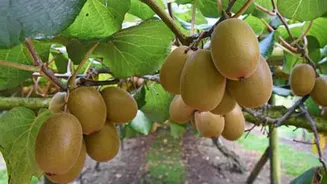
Growing kiwifruit is a long-term investment. Don't expect fruit in the first year. Most vines take between three to five years to begin producing a harvest. Pruning is essential to manage the vine's growth in a container and encourage fruiting. A winter prune helps shape the main framework, while a summer prune helps control vigorous shoots and direct energy towards fruit production. The economic benefit comes over time. After the initial investment in a plant and soil, a single healthy, mature vine can produce a significant amount of fruit for many years, offering a delicious and cost-effective alternative to store-bought kiwis.