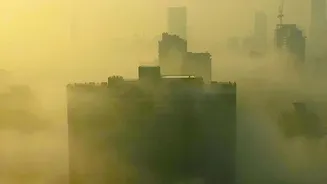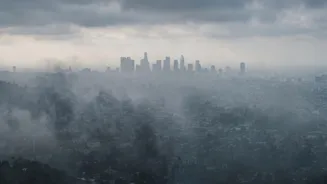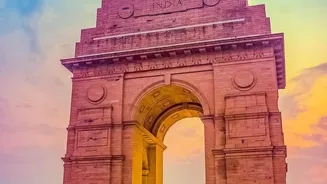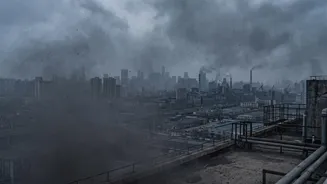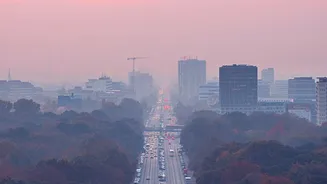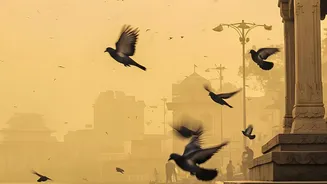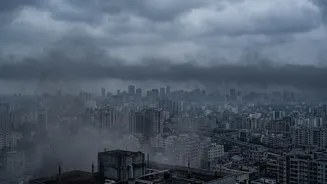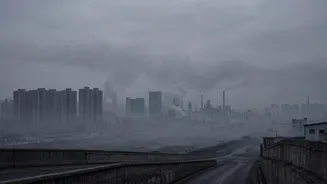




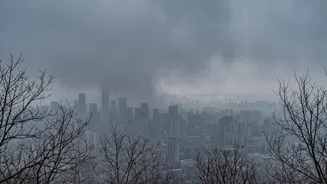
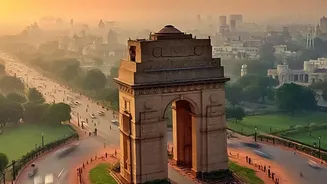
As winter descends, a familiar grey haze envelops Delhi and its surrounding regions. For millions, this is not just weather; it is an annual public health emergency with far-reaching consequences that disrupt every facet of life.
An Unbreathable Reality
The numbers paint a grim
picture of the air in the National Capital Region (NCR). On November 12, 2026, Delhi's overall Air Quality Index (AQI) was recorded at 321, firmly in the 'very poor' category, with some areas tipping into 'severe' levels above 400. The primary culprits are PM2.5 and PM10, tiny particulate matter that can lodge deep in the lungs and enter the bloodstream. This toxic cocktail is created by a combination of factors: vehicular emissions are the largest local contributor, followed by industrial discharge, construction dust, and open waste burning. This baseline pollution is dangerously amplified by seasonal stubble burning in neighbouring states and meteorological conditions like low wind speeds that trap pollutants close to the ground, creating a suffocating dome over the city.
A Mounting Public Health Crisis
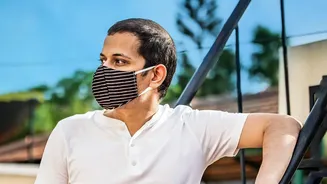
The pervasive pollution is inflicting a heavy toll on residents' health. Hospitals across Delhi-NCR report a significant surge in patients with respiratory ailments, with some estimating a 60-70% increase in such cases during peak pollution periods. Doctors are witnessing a rise in complaints of persistent coughs, breathing difficulties, and aggravated asthma, particularly among the elderly and children. The crisis is so widespread that even young, otherwise healthy individuals are reporting symptoms like throat irritation and respiratory discomfort after just a few hours of exposure. Beyond immediate respiratory issues, long-term exposure to these pollutants is linked to a higher risk of cardiovascular diseases, strokes, cancer, and even neurological damage. The invisible threat of PM2.5 penetrating the bloodstream makes this a systemic health issue, not just a lung problem.
The Economic and Social Shutdown
The bad air is also an economic liability, grinding daily life and commerce to a halt. To curb the crisis, authorities frequently implement the Graded Response Action Plan (GRAP), which includes halting construction and demolition activities. These bans create a chain reaction, affecting not just the real estate sector but also disrupting supply chains for various goods. Transport restrictions and advisories for 50% work-from-home arrangements impact productivity and add to operational costs for businesses. Retailers and restaurants report lower footfall as people choose to stay indoors to avoid the toxic air. The social fabric of the city is equally strained. Schools are often forced to close, morning walks become a health hazard, and children are confined indoors, leading to a palpable sense of anxiety and fatigue that affects sleep and concentration.
A Cycle of Policy and Paralysis
Every year, the crisis triggers a familiar sequence of events: emergency meetings, a political blame game over stubble burning, and court interventions. The government has rolled out a 'Winter Action Plan' that includes measures like restricting the entry of older vehicles, enforcing the 'No PUC, No Fuel' rule, and monitoring construction dust with AI-enabled cameras. However, analysis shows that baseline pollution levels are higher than in previous years, suggesting that year-round control measures remain inadequate. For instance, while the contribution of farm fires is significant, severe pollution episodes continue even when their share diminishes, underscoring the dominant role of local sources like traffic, which accounts for over half of Delhi's local PM2.5 pollution. This highlights a critical gap between policy and on-ground implementation, trapping the region in a reactive loop.