






What Are the Proposed BS-VII Standards?
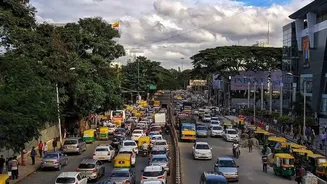
The Ministry of Road Transport and Highways has released draft notifications for the BS-VII standards, signalling a significant evolution in how India regulates vehicular pollution. Unlike previous updates that focused almost exclusively on exhaust fumes,
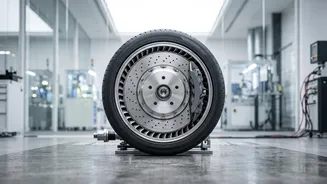
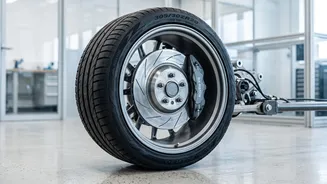
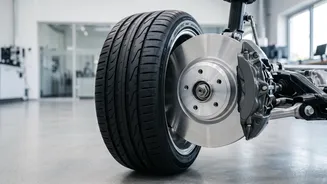
BS-VII proposes a much broader approach. The new rules aim to regulate not just tailpipe emissions but also pollutants from brake pad wear and tyre abrasion. This means that for the first time, even electric vehicles (EVs) will fall under the purview of emission standards, as their brakes and tyres still produce particulate matter. Furthermore, the proposal includes durability standards for EV batteries, requiring them to maintain a certain percentage of their capacity over time. The government plans to roll out these standards in phases, starting with new passenger cars and SUVs from April 1, 2029.
How Are They Different from BS-VI?
While BS-VI was a massive leap from BS-IV, focusing on reducing sulphur content in fuel and slashing key pollutants, BS-VII aims to refine and expand the monitoring process. A key difference is the enhanced focus on real-world performance. The current BS-VI norms introduced Real Driving Emissions (RDE) testing, but BS-VII intends to make this system more robust, ensuring vehicles comply with emission limits throughout their operational lifecycle, not just in a lab setting. The proposal calls for an On-Board Monitoring (OBM) system in every car to constantly track pollutants like nitrogen oxides (NOx) and particulate matter (PM). While principal exhaust limits for pollutants like NOx might remain the same as BS-VI, the measurement will become stricter, capturing even smaller, ultrafine particles by lowering the detection threshold.
The Focus on Non-Exhaust Emissions
One of the most significant changes in the BS-VII proposal is the regulation of non-exhaust emissions. As engines get cleaner, pollution from other sources becomes more apparent. Braking generates fine dust as pads and discs wear down, and tyres shed microplastics as they roll along the road. BS-VII will introduce specific limits for these particles. The draft proposes a phased implementation, with brake-particle limits for new passenger vehicles starting from April 1, 2031. Initially, the proposed limit for PM10 particles from brakes is 7 milligrams per kilometre for conventional and hybrid cars, and a stricter 3 mg/km for pure EVs, which use regenerative braking. By 2035, a uniform 3 mg/km limit is proposed for all passenger vehicles.
Impact on Car Buyers and Prices
For the average car buyer, the biggest question is cost. Complying with these advanced standards will require significant investment from automakers in new technology, upgraded engines, and sophisticated monitoring systems. This includes more advanced sensors, robust exhaust treatment systems, and the integration of onboard monitoring hardware. This increased manufacturing complexity and R&D spending will almost certainly be passed on to the consumer in the form of higher vehicle prices. The proposal also introduces the concept of an 'Environmental Vehicle Passport', which would provide buyers with clear, transparent data on their vehicle's emissions, fuel efficiency, and battery health at the time of purchase. Existing vehicles, including those compliant with BS-VI, will not be affected by the new rules.
The Road Ahead and Industry Reaction
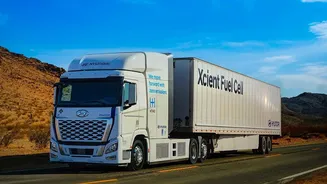
The proposed timeline starts with new cars and SUVs in April 2029, followed by light commercial vehicles in 2030 and heavy-duty trucks and buses in 2031. The draft notification is currently open for public comment, after which the government will finalize the rules. The auto industry has expressed concerns about the timeline, suggesting it is compressed and could disrupt product development cycles. Some executives have warned that diverting significant engineering resources to meet BS-VII compliance could slow down the development of electric vehicles. Unlike the shift to BS-VI, which required massive investment from oil refineries to produce cleaner fuel, the burden of BS-VII compliance will fall primarily on vehicle manufacturers.