




The Undeniable Math of Affordability
For the vast majority of Indian households, major purchases are dictated by budget, and mobility is no exception. The scooter wins, first and foremost, on its sheer economic sense. The upfront cost of a scooter is a fraction of a car's, making it an achievable
aspiration for middle-class families. But the savings only start there. With persistently high petrol prices, the superior fuel efficiency of scooters translates into significant monthly savings. Furthermore, the total cost of ownership remains low due to more affordable insurance premiums, cheaper spare parts, and simpler maintenance compared to four-wheelers. The recent rise of electric scooters, supported by government subsidies and incentives, has further strengthened this value proposition, narrowing the price gap with their petrol counterparts and offering even lower running costs.
Solving the Last-Mile Connectivity Puzzle
India's metropolitan areas are expanding their metro rail networks, but these systems often fall short of providing true door-to-door connectivity. This creates a 'last-mile' problem: how do you get from the metro station or bus stop to your home, especially in sprawling suburbs and newly developed townships? The scooter is the default answer. It offers a personal, on-demand solution that is more reliable and often cheaper than relying on inconsistent feeder buses or autos. This ability to bridge the gap between mass transit and the front door makes scooters an indispensable part of the urban mobility ecosystem, particularly for daily commuters.
Designed for the Realities of Indian Roads
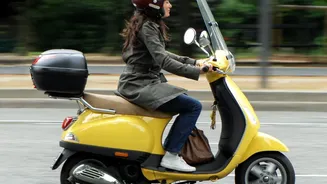
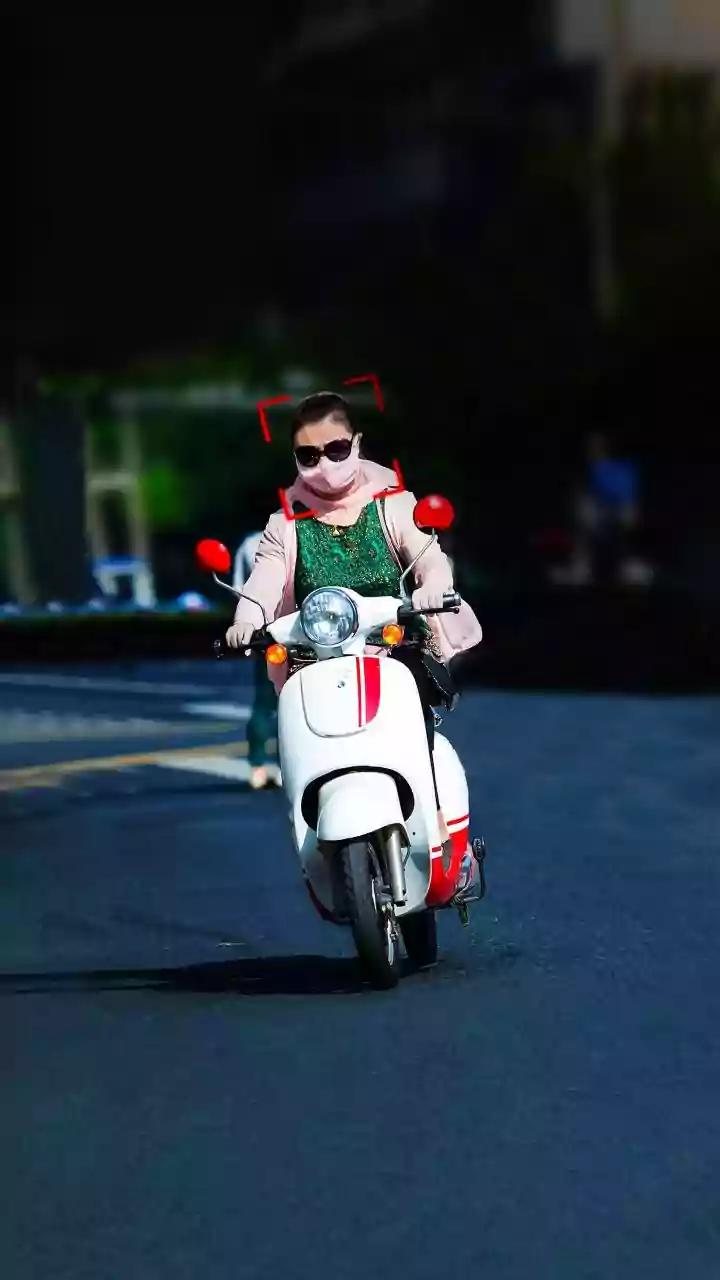
Beyond the finances, the scooter's design is perfectly suited to the Indian environment. Its light weight and nimble handling make it ideal for navigating congested city streets and narrow lanes where cars struggle. Parking, a perennial headache for car owners, is significantly easier with a scooter, which can be tucked into small, overlooked spaces. The step-through frame, a defining feature of scooters, makes them accessible and user-friendly for a wide range of riders, including women in sarees and older family members. This inclusivity is a key reason for their widespread adoption across different demographics within a household.
An Engine for the Gig Economy
The boom in the gig economy, especially in food and e-commerce delivery, is inextricably linked to the scooter. For millions of delivery partners, a two-wheeler is not just a vehicle but an essential tool for earning a livelihood. Many gig workers travel over 80-100 kilometres daily, making low operating costs paramount. The scooter, whether petrol or increasingly electric, provides the mobility and efficiency needed to make dozens of deliveries in a day. The rise of rental platforms offering electric two-wheelers on a subscription basis further lowers the barrier to entry, allowing individuals to access work without the burden of a large upfront investment.
A Symbol of Empowerment and Independence
Within the family unit, the scooter has evolved from a simple mode of transport to a catalyst for empowerment. It often serves as the second vehicle in a household, granting newfound independence to family members who don't have access to the primary car. It allows women to commute to work, run errands, or drop children at school without depending on others. For students, it provides a means to travel to college and part-time jobs, fostering self-reliance. As suburbs and townships expand into areas with less developed public transport, the scooter's role in providing personal freedom and enabling economic participation becomes even more critical.