







The Daily Reality of Urban Air
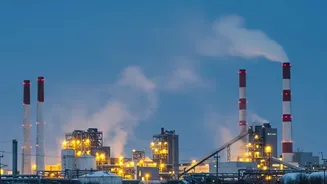
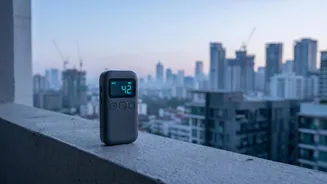
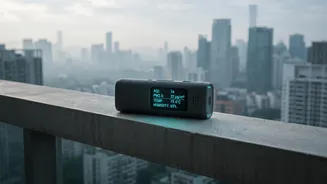
For millions living in India’s bustling metropolises, air pollution is not an abstract concept but a daily reality. Cities like Delhi, Mumbai, and Bangalore frequently grapple with high levels of particulate matter (PM2.5), tiny pollutants that can lodge
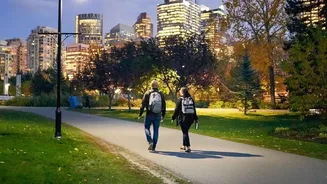
deep in the lungs and cause significant health problems. Recent data shows that pollution levels often spike during evening hours, coinciding with peak traffic and changing atmospheric conditions. This is precisely when many people step out for a walk to de-stress. Health experts often advise residents to wear masks and avoid strenuous outdoor activity during these high-pollution periods, creating a difficult choice between exercise and clean air.
How Parks Function as Natural Filters
Urban parks act as invaluable, living air purifiers. Trees, shrubs, and even grass play a crucial role in improving air quality. The leaves and bark of trees are remarkably effective at capturing airborne particulate matter, essentially filtering dust and soot from the air. These trapped particles are then often washed to the ground by rain, preventing them from being inhaled. Furthermore, vegetation absorbs harmful gaseous pollutants like nitrogen dioxide, sulfur dioxide, and ground-level ozone through the pores on their leaves. This natural filtration system can lead to significantly lower pollutant concentrations within a park compared to an adjacent street clogged with traffic. Studies have shown that green spaces can reduce PM2.5 levels by a noticeable margin, offering a tangible respite from urban smog.
More Than Just Trees and Grass
The clean-air effect of parks isn't just about what they contain, but also what they lack. Parks are typically set back from direct vehicle emissions, creating a buffer zone from the primary source of urban pollution. The absence of dense construction and vast asphalt surfaces means there is less heat radiation, a phenomenon known as the 'urban heat island' effect. Cooler air temperatures within parks can influence air circulation and slow the chemical reactions that form harmful pollutants like ground-level ozone. This combination of natural filtration, distance from traffic, and a cooler microclimate makes a walk through a park a far healthier proposition than a stroll along a busy pavement.
Finding Your Urban Green Oasis
Across India, major cities boast green spaces that serve as vital escapes for residents. In Delhi, the sprawling Lodhi Garden offers over 90 acres of historical tombs and lush greenery, providing a popular haven for walkers away from the city's notorious air. Mumbai, despite its density, has gems like the seaside Jogger's Park in Bandra and the vast Sanjay Gandhi National Park, offering clean air and a connection to nature. In Bangalore, Cubbon Park and Lalbagh Botanical Garden are iconic green hearts of the city, frequented by thousands seeking respite from traffic and a space for exercise. These parks are not just recreational areas; they are critical public health infrastructure.
Making the Most of Your Park Walk
To maximize the air quality benefits during your evening walk, a few simple strategies can help. First, try to move towards the centre of the park, as far away from the perimeter roads as possible. Air quality generally improves the deeper you go into the green space. Second, while evening is a popular time, consider that air quality can sometimes be at its worst around midnight and in the early morning hours before the sun helps disperse pollutants. An early evening walk might be better than a very late one. Finally, walking in a park doesn't just benefit your lungs; studies show that it also significantly reduces stress and improves mental well-being compared to walking in noisy, built-up environments.