


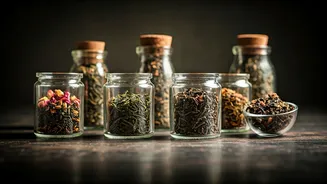



Start With What You Already Like
The best way to begin is by referencing your own palate. Do you prefer a strong, bold cup in the morning, like a rich coffee? Or do you lean towards lighter, more delicate flavours? You can even use wine as a reference. Perhaps you enjoy earthy, robust
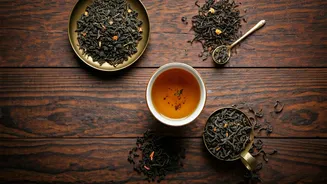
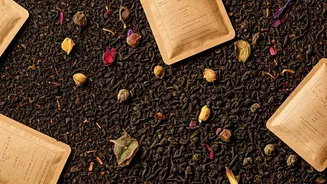
red wines or crisp, floral white wines. Giving a tea vendor this information provides a valuable starting point. If you’re used to bagged tea, like an English Breakfast or Earl Grey, a great first step is to ask for a loose-leaf version of that same style. The difference in quality, aroma, and flavour complexity between tea dust in bags and whole loose leaves is often the first revelation for a new tea explorer.
Ask About the 'Where': Terroir Matters
Just like with wine, where a tea is grown has a massive impact on its flavour. This concept is known as 'terroir'—the combined effect of soil, climate, altitude, and geography. You don’t need to be an expert, but asking “Where does this tea come from?” is a powerful question. A vendor should be able to tell you the country and, ideally, the specific region or mountain. For example, a Japanese green tea is often steamed, giving it a fresh, vegetal character, while many Chinese green teas are pan-fired, which can bring out nuttier, toastier notes. Teas grown at high altitudes often grow slower, concentrating their aromatic oils and creating more complex flavours.
Inquire About the 'When': Harvest and Freshness
For many teas, especially greens and whites, freshness is crucial. A key question is, “When was this tea harvested?” Many high-quality teas are marked by their harvest season and year, such as “Spring 2026”. In regions like Darjeeling, the harvest period, or “flush,” dramatically changes the taste. A first flush, picked in early spring, is typically light, floral, and astringent. A second flush, harvested in May and June, yields a more full-bodied, fruity, and robust cup with classic “muscatel” notes. For delicate teas, it's best to buy what you can consume within a year of the harvest date. Also ask how the tea is stored; it should be in airtight, opaque containers away from light and heat to preserve its flavour.
Describe the Flavours You're Looking For
Beyond general preferences, try to describe specific flavour notes. Use a simple vocabulary. Are you looking for something malty, fruity, floral, nutty, smoky, or vegetal? A good tea merchant can translate these desires into recommendations. For instance, if you want a strong, malty tea, they might point you towards an Assam from India. If you mention floral and delicate, they might suggest a White Peony (Bai Mu Dan) or a Taiwanese oolong. Don’t be shy about smelling the dry leaves. A high-quality tea should have a vibrant, complex aroma that is fresh, not stale or dusty.
Understand the Physical Leaf
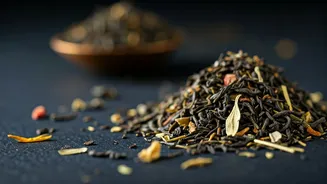
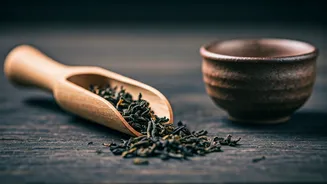
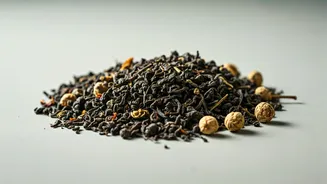
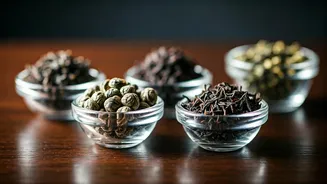
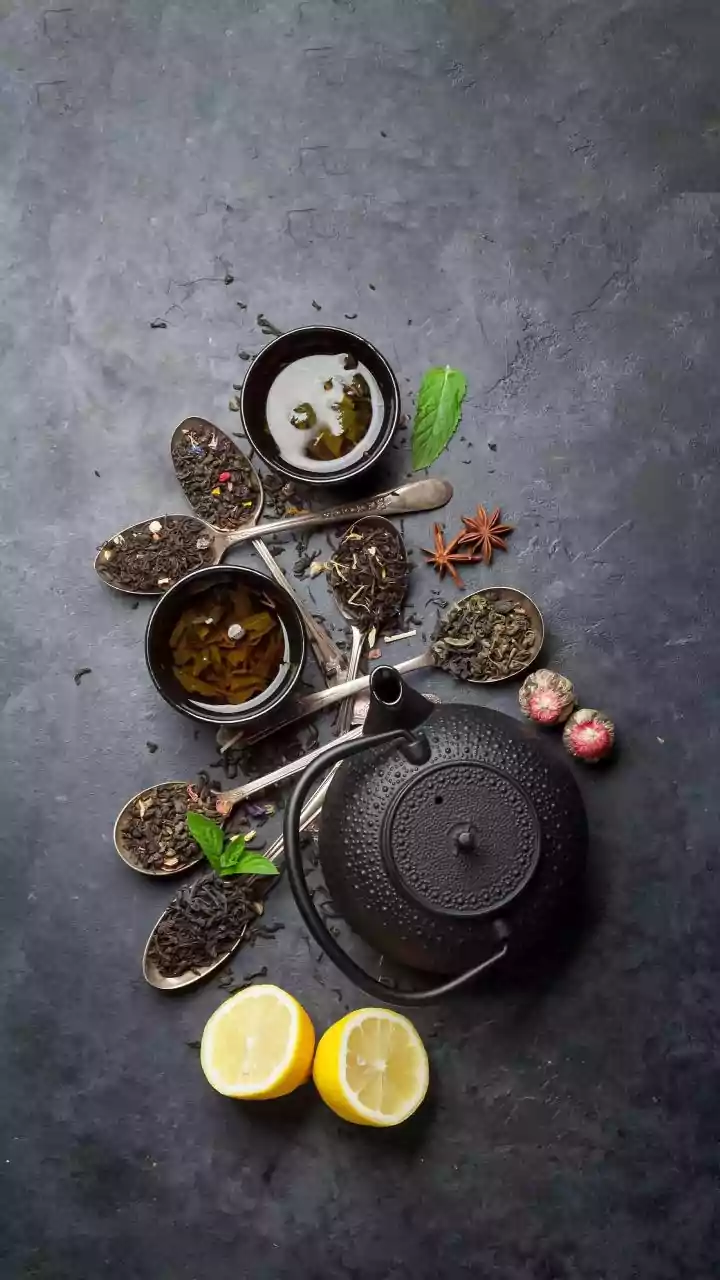
Before you buy, look at the leaves themselves. A sign of higher quality is typically whole, unbroken leaves that are relatively uniform in size and shape. Tea that consists of small, broken pieces or dust will often brew a more bitter and less nuanced cup because the smaller particles release tannins too quickly. In some white and green teas, you may notice tiny, downy hairs on the leaf buds. These are often a sign of a delicate, early harvest and careful handling, promising a sweeter, more refined flavour. After brewing, high-quality leaves will often unfurl to a recognizable shape.
Always Ask for Brewing Instructions
Finally, once you’ve made a selection, ask the most practical question of all: “How should I brew this?” The wrong water temperature or steeping time can ruin even the most exquisite tea. Generally, delicate green and white teas require lower water temperatures to avoid bitterness, while black and oolong teas need hotter water to extract their full flavour. A knowledgeable vendor can give you specific recommendations for leaf quantity, water temperature, and infusion time. They might also tell you if a tea is suitable for multiple infusions, a common practice with many loose-leaf teas that offers great value and an evolving taste experience with each cup.