






A New Path Through Paradise
Deep in the lush, tropical landscape of South Andaman, a new initiative is channelling the growing interest in nature-based tourism. The 'Rainforest Birding Trail', recently launched at the Biological Park in Chidiya Tapu, offers a structured and guided
pathway into one of the island's premier birding destinations. Organized by the Directorate of Information, Publicity & Tourism in collaboration with the Department of Environment & Forests, the trail is more than just a walking path. It represents a concerted effort to create a sustainable eco-tourism model that highlights the region's rich avian diversity while protecting its fragile ecosystem. For travellers, this means a chance to explore the dense rainforest with expert guidance, learning about the intricate web of life that thrives here.
The Endemic Stars of the Show
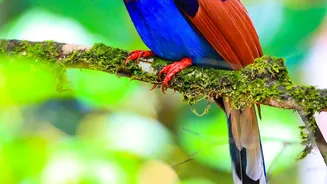
The primary allure of the Andamans for any birder is its remarkable number of endemic species—birds found nowhere else on Earth. The new trail provides access to habitats that are home to these unique treasures. Birdwatchers can hope to spot iconic species such as the Andaman Woodpecker, the stately Andaman Serpent Eagle, the vibrant Andaman Drongo, and the elusive Andaman Crake. Areas like Chidiya Tapu, aptly known as 'Bird Island', are famous for their concentration of these endemics. The trail guides enthusiasts through prime locations to see not just these, but also the Andaman Green Pigeon, Andaman Cuckoo-Dove, and the White-headed Starling. For many, the opportunity to see these rare birds in their natural, protected habitat is the journey's ultimate prize.
Beyond the Birds: An Immersive Experience
While the birds are the main draw, the trail offers a complete sensory immersion into the rainforest. The experience is about more than just ticking off a checklist; it's about walking beneath towering trees, listening to the symphony of insect and bird calls, and understanding the delicate balance of the ecosystem. The trail winds through dense forests and mangrove ecosystems, which support a wide variety of life beyond birds. Knowledgeable guides share insights not only on the avian life but also on the ecological significance of the rainforest itself. This holistic approach ensures that travellers leave with a deeper appreciation for the islands' natural heritage and the importance of its conservation.
A Blueprint for Sustainable Travel
The Rainforest Birding Trail signifies a crucial step forward in the Andaman administration's vision for responsible tourism. As tourist inflow increases, there is a growing focus on developing sustainable, low-impact activities that also benefit local communities and conservation efforts. By creating designated trails and promoting guided tours, authorities can manage tourist footfall, minimize disturbance to wildlife, and foster environmental awareness. This initiative serves as a model, proving that tourism can be a force for good. It generates revenue and provides livelihoods for local guides while simultaneously encouraging the protection of the very resources that attract visitors in the first place. For the nature traveller, participating in such an activity means their visit directly contributes to the preservation of this paradise.
Planning Your Birding Adventure
For travellers inspired to explore this trail, planning is key. The best time for birdwatching in the Andamans is generally between October and April, when the weather is pleasant and migratory birds supplement the resident populations. Early mornings and late afternoons are the most active times for birds. Visitors are advised to wear comfortable walking shoes and outdoor-friendly clothing, preferably in muted colours to avoid startling wildlife. Essential items include binoculars, a camera with a good zoom lens, drinking water, and a hat. Hiring a local guide is highly recommended, as their expertise can dramatically enhance the experience by helping to locate and identify the many specialised and often shy species.