



More Than Just a Few Plants
When we talk about nature-inspired homes, it’s easy to picture a few potted plants on a windowsill. While greenery is part of it, the trend runs much deeper. This is the world of ‘biophilic design’—an architectural approach centred on connecting people
with the natural environment. The core idea is that humans have an innate tendency to seek connections with nature. By incorporating natural elements into our built environment, we can satisfy this biological need, leading to healthier and more productive lives. Think of it as moving beyond decoration and into a philosophy of living. It’s about creating spaces that feel alive, breathable, and restorative, using nature as the primary source of inspiration for everything from the floor plan to the faucet.
The Core Elements of Natural Design
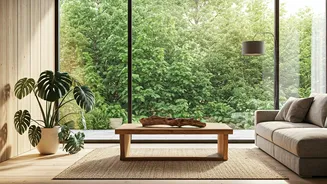
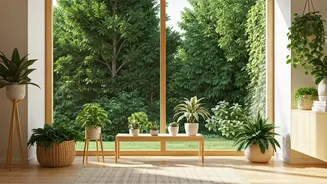
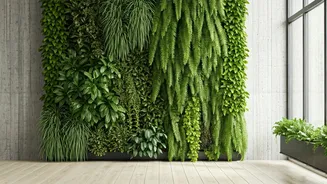
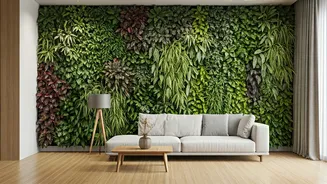
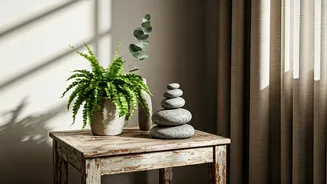
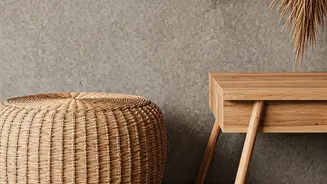
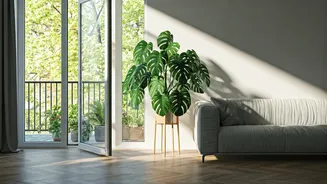
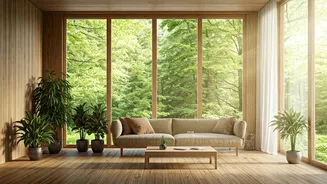
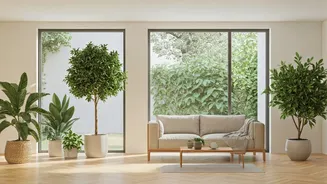
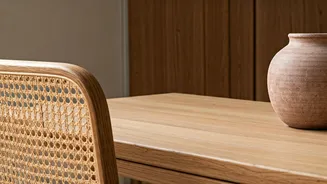
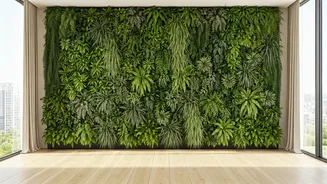
So, what does a nature-inspired home actually look like? It’s a multi-sensory experience. A key element is an abundance of natural light, achieved through large windows, skylights, and glass doors that blur the line between indoors and outdoors. Materials are another pillar. Instead of synthetic plastics and laminates, the focus is on organic, textural materials like wood, stone, bamboo, rattan, and jute. These materials not only look beautiful but also feel good to the touch. Colour palettes are drawn directly from nature: earthy browns, calming greens, sandy beiges, and sky blues. Finally, there's the direct connection to the outdoors, whether it's a sprawling garden, a simple balcony with a vertical garden, or a thoughtfully placed window framing a view of a single tree. It’s about creating a seamless flow between the inside and the outside world.
Why Our Brains Love This Trend
The lasting appeal of this trend isn’t just aesthetic; it’s scientific. The principles of biophilia are linked to tangible wellness benefits. Studies have shown that exposure to natural elements, even indoors, can significantly reduce stress levels, lower blood pressure, and improve mood. A view of nature from your desk can enhance focus and creativity. Natural materials and plants can also improve indoor air quality. In a world of constant digital stimulation and concrete jungles, our brains crave the restorative patterns and sensory inputs of the natural world. A home that offers these elements becomes a true refuge, actively contributing to our mental and physical health. This deep-seated psychological benefit is a powerful reason why this isn’t just another fleeting style but a fundamental shift in what we value in a living space.
Built to Last: Sustainability and Value
The final proof that nature-inspired design is here to stay lies in its alignment with the global push for sustainability. This approach champions the use of locally sourced, renewable, and non-toxic materials, which reduces a home's carbon footprint. For instance, using reclaimed wood or locally quarried stone is not only an aesthetic choice but also an environmental one. Furthermore, designs that maximise natural light and ventilation can drastically reduce energy consumption for lighting and cooling. As consumers become more environmentally conscious, homes that are both beautiful and sustainable become more desirable. This adds long-term value to a property, making it a wise investment. Architects and builders are increasingly integrating these principles not as a luxury add-on, but as a standard for high-quality, future-proof construction.