




Entrances, Lobbies, and Access Control
The first line of defence for your building is its main entrance. Check that all entry doors, including those from the parking garage, close and lock properly. A door that’s propped open or has a broken lock is an invitation for unauthorised access. Notice
the general lighting in the lobby and entranceways; they should be well-lit 24 hours a day. If your building uses a key fob or intercom system, test it to ensure it functions correctly. Unauthorized entry, sometimes through 'tailgating' where a person follows a resident inside, is a common security challenge in multi-unit buildings.
Hallways, Stairwells, and Emergency Exits
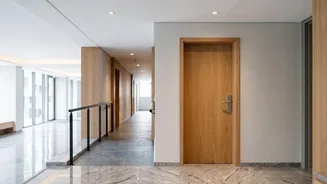
The paths to and from your apartment need to be safe and clear. Hallways and stairwells should be free of clutter, trash, or stored items that could be a trip hazard or fuel for a fire. Emergency exits must remain unobstructed, and the exit signs should be clearly visible and illuminated. In case of a fire, you must always use the stairs, never the elevator. It’s a good idea to know the location of all the exits in your building, not just the one you use daily. Also, check that all lighting in these areas is working; poorly lit stairwells can be dangerous.
Fire Safety and Alarm Systems
Your building's fire safety equipment is a critical check. Locate fire extinguishers in common areas and check their inspection tags to ensure they are serviced. While you are responsible for the smoke detectors inside your unit, take note of the alarms and sprinkler heads in hallways. They should be unobstructed and appear in good condition. Many buildings are required to post an evacuation plan in a visible location; familiarise yourself with it. Participating in building-held fire drills can be crucial practice.
Mailroom and Package Security
With the rise of online shopping, package theft has become a major issue in apartment buildings. Inspect your building’s mail and package area. Are mailboxes securely locked? Is the area well-lit and, if possible, monitored by surveillance cameras? Some buildings have dedicated, access-controlled package rooms, which offer better protection than leaving parcels in an open lobby. If you notice mail or packages piling up or looking rifled through, it could be a sign of a security lapse.
Laundry Rooms, Gyms, and Amenities
Shared amenities like laundry rooms, fitness centres, and pools are valuable perks, but they also have unique safety considerations. These areas should have good lighting and functioning locks if they are meant to be secured. Check that the equipment appears to be in good working order. Report any frayed electrical cords on washing machines or broken gym equipment to management. These spaces can sometimes be in less-trafficked parts of the building, making their security especially important.
Parking Areas and Outdoor Spaces
Whether it's a garage or an outdoor lot, parking areas are frequent targets for theft and vandalism. All parking areas and walkways leading to the building should be well-lit. Look for dark corners or blind spots that could be a security risk. If the parking area is gated, observe whether the gate functions correctly to prevent unauthorized vehicle entry. Also, take note of the general upkeep of outdoor spaces. Overgrown shrubs can create hiding spots, while poor maintenance can signal general neglect from management.
Reporting What You Find
Observing an issue is the first step; reporting it is the second. Under Indian law, landlords are generally responsible for structural repairs and maintaining common areas. Most property management companies have a formal process for submitting maintenance requests, often through an online portal, email, or a specific phone number. For non-emergency issues, submit a written request and include photos if possible. This creates a record of your communication. For emergencies like a fire, gas leak, or a major flood, call the provided emergency contact number or 911 immediately.