



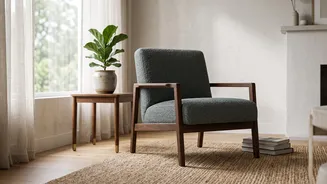
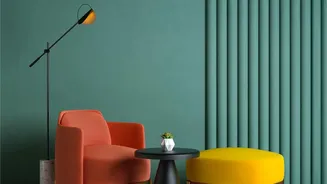
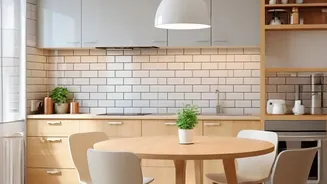
The Upfront Cost: A Clear Winner
When you're starting out, cash flow is king. This is where renting lands its first major blow. To buy the basic furniture and appliances for a 1BHK apartment—a bed, mattress, wardrobe, sofa, and dining table—can easily set you back ₹1,50,000 to ₹2,00,000
or more. This is a significant upfront investment that can eat into your savings. In contrast, renting requires only a refundable security deposit and the first month's rent. For a complete 1BHK package from platforms like RentoMojo or Furlenco, you could be looking at a monthly outlay of ₹3,000 to ₹6,000. This makes setting up a home far more accessible and frees up your capital for other needs like rental deposits or emergency funds.
The Long-Term Equation: The Break-Even Point
Renting's initial advantage starts to fade over time. The key question is: at what point does the cumulative cost of renting equal the cost of buying? Most experts and rental companies agree that the break-even point typically falls between two and three years. If you rent a furniture package for ₹5,000 a month, you will have spent ₹1,20,000 in two years. This amount could have covered a substantial portion of buying your own furniture. However, this calculation isn't complete without factoring in depreciation. Furniture loses value quickly, often 40-60% within the first two years. So, if you sell your purchased furniture after two years, you might only recoup a fraction of the initial cost, making the overall expense higher than you think.
Flexibility: The Priceless Advantage of Renting
For many young professionals, life is wonderfully uncertain. You might get a promotion in another city, decide to move in with a partner, or simply want a change of scenery. This is where renting truly shines. Rental services offer incredible flexibility. Most platforms include free relocation services within or between cities they operate in. Want to swap your four-seater dining table for a two-seater? Or upgrade your sofa? It's often just a few clicks away. Buying furniture, on the other hand, anchors you. The hassle and cost of hiring movers, the risk of damage during transport, and the headache of selling bulky items on platforms like OLX or Quikr are significant deterrents for a mobile workforce.
Ownership, Quality, and Customisation
The biggest drawback of renting is that you never truly own the items. The monthly payments build no equity. Buying gives you an asset, albeit a depreciating one. It also offers complete freedom of choice. You can pick the exact design, material, and colour that matches your aesthetic, from a premium Sheesham wood bed to a specific brand of mattress. Rental catalogues, while extensive, are ultimately limited. You get what’s available, and customisation is not an option. Furthermore, when you buy, you're investing in quality that can last for years. While rental companies maintain their furniture, it is still used by multiple people and may show signs of wear and tear.
The Hidden Costs and Hassles
Buying furniture involves more than just the sticker price. You have to account for delivery charges, assembly fees (which can run into thousands), and potential repair costs down the line. Then there's the mental energy spent on coordinating everything. Renting, by contrast, is a full-service model. Delivery, installation, and maintenance are almost always included in the monthly fee. If a rented washing machine breaks down, a technician is sent to fix it at no extra cost. This hassle-free experience is a major selling point for time-poor urban professionals who would rather not spend their weekends assembling flat-pack furniture or chasing carpenters.
The Verdict: What's Right For You?
Ultimately, the decision to rent or buy is not just about saving money; it's about aligning your choice with your lifestyle and career stage. You should rent if: You are uncertain about how long you'll stay in your current city or apartment (less than three years). You value flexibility, convenience, and low upfront costs. You frequently relocate for work or simply enjoy changing your home's look. You should buy if: You have stable long-term plans to stay in one place for more than three years. You have the initial capital to invest. You value ownership and want the freedom to choose high-quality, customised pieces that reflect your personal style.