


Creating Space with Holding Areas
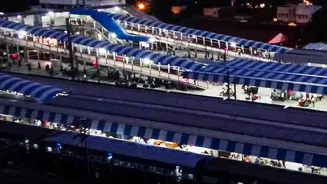
One of the most significant strategies being deployed is the development of dedicated passenger holding areas, known as 'Yatri Suvidha Kendras', at major stations. Instead of allowing all passengers to flood the platforms at once, these large, covered
spaces are designed to accommodate waiting passengers before they proceed to their trains. These areas are equipped with essential amenities like ticket counters, seating, drinking water, and toilets, ensuring a more comfortable wait. By keeping unticketed and waiting passengers away from the platforms, railways can reduce congestion and regulate entry in a staggered manner, allowing people onto the platform only when their train is arriving. Major stations like Anand Vihar in Delhi, Udhna in Gujarat, and others in Ahmedabad and Ayodhya have seen these facilities become central to their crowd control plans.
More Trains, More Options
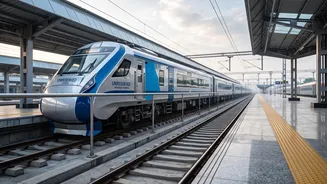
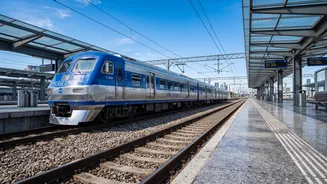
A core part of the strategy is to simply absorb the extra demand by increasing capacity. For the 2026 Diwali and Chhath Puja season, Indian Railways has announced thousands of special train trips across its network. Northern Railway alone is planning over 6,200 special trips to manage the rush. These services are concentrated on high-demand routes, particularly those connecting major cities with destinations in Bihar, Uttar Pradesh, and West Bengal. In addition to reserved specials, the railways have also introduced several completely unreserved special trains, allowing passengers to travel by purchasing tickets at the station without advance booking. This two-pronged approach helps distribute the massive passenger load across a wider array of services, preventing any single train or route from being dangerously overwhelmed.
Limiting Non-Passenger Entry
To ensure that platforms are reserved for travellers, various railway zones have temporarily suspended the sale of platform tickets at dozens of key stations. Major hubs across Delhi, as well as stations in Western Railway's jurisdiction like Surat, Bandra, and Udhna, have put these restrictions in place for a period of around 15 days during the peak festive window. This simple but effective measure is designed to discourage visitors who are only there to see off or receive passengers, which can add significantly to platform congestion. Exemptions are typically made for those assisting senior citizens, passengers with illnesses, or others who genuinely require help to travel, ensuring the measure doesn't inconvenience those in need.
Enhanced Security and Monitoring
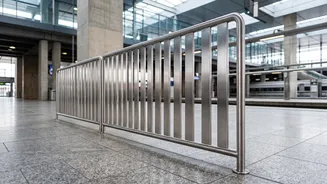
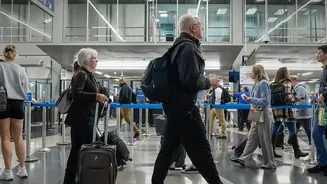
A visible and robust security presence is critical for managing large crowds. Indian Railways has significantly increased the deployment of Railway Protection Force (RPF) and Government Railway Police (GRP) personnel at busy stations. These teams are responsible for managing queues, guiding passengers, and ensuring orderly movement through barricaded pathways. This human presence is augmented by technology. Extensive CCTV networks are monitored in real_time from dedicated control rooms to identify potential pressure points before they escalate. In some cases, drones are also being used for surveillance of areas outside the station to anticipate crowd build_up. This data_driven approach, part of a system called the E_Forecasting Register, helps the RPF shift from a reactive to a proactive stance on crowd management.