





An Unlikely, Explosive Union
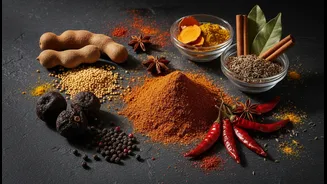
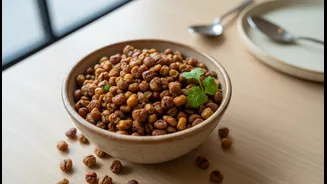
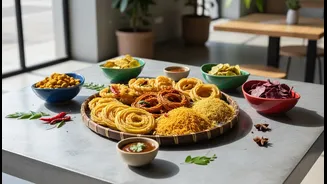
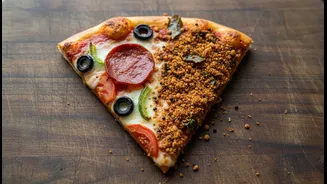
So, what exactly is this trend taking over cafe menus? The star is 'podi,' a coarse powder of roasted lentils, chillies, and spices with deep roots in South Indian cuisine. Often called 'gunpowder' for its potent kick, podi is traditionally mixed with ghee
or oil and served with idli and dosa. Its flavour is complex—earthy, spicy, and deeply savoury. When this powerful condiment meets the cheesy, comforting canvas of a pizza, the result is an intriguing collision of textures and tastes. Imagine the familiar pull of mozzarella, the tangy tomato sauce, and the crisp crust, all suddenly electrified by the warm, granular heat of podi. It’s a combination that wakes up the palate, offering a jolt of comforting nostalgia and thrilling novelty in the same bite.
A Craving for the 'Glocal'
The rise of podi pizza isn't happening in a vacuum. It’s a prime example of 'glocalisation'—marrying global formats with local flavours. For a generation of urban Indians who have grown up with both global fast food and traditional home cooking, this blend feels natural, not forced. A pizza is a universally understood comfort food, while podi offers a taste of home and heritage. Chefs and cafe owners are tapping into this dual identity. They recognise that today's diners crave authenticity and stories on their plates. Putting a regional flavour like podi, or other Indian staples like chicken Chettinad or paneer tikka, on a pizza is a confident celebration of Indian ingredients. It tells a story of a culinary culture that is secure enough in its own identity to playfully interact with the world's most popular dishes. This isn't about replacing Italian tradition but expanding the conversation.
More Than Just Pizza
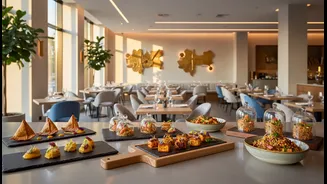
While podi on pizza is a standout example, it is part of a much larger wave of cross-cultural experimentation in Indian cafes and restaurants. Look around and you'll see menus dotted with creative hybrids: masala mac and cheese, gulab jamun cheesecake, tandoori quesadillas, and even pav bhaji fondue. Places like 'Pijja' in Bengaluru have built their entire concept around this idea, offering pizzas with toppings like lamb ularthiyathu or using dosa batter for their onion rings. This movement signifies a maturing of the Indian palate. It has moved beyond simply importing global cuisines to actively co-creating new ones. It reflects a diner who is adventurous, curious, and wants food that is both emotionally resonant and excitingly different. This trend is also driven by a new generation of chefs who are using modern techniques to reinterpret traditional flavours, creating dishes that are both innovative and deeply rooted in their heritage.
Genius or Gimmick?
Naturally, not everyone is convinced. Culinary purists, both of Italian and Indian food, might view these fusions as gimmicks that dilute the integrity of the original dishes. An Italian might shudder at the thought of 'gunpowder' on their margherita, while a South Indian grandmother might be perplexed to find her beloved podi on a slice of bread with cheese. However, the sustained popularity of these dishes suggests they are more than a passing fad. The most successful fusions are not random mash-ups; they are thoughtful pairings that respect the core flavours of each component. The umami from the lentils in podi complements the cheese and tomato, while the spice cuts through the richness. When done well, it creates a dish that is balanced and, most importantly, delicious. Food is never static; it has always evolved through trade, migration, and cultural exchange. From the potatoes and chillies brought by the Portuguese to the Indo-Chinese cuisine of Kolkata, Indian food is a testament to successful fusion.