


Gucchi Pulao: The Himalayan Treasure
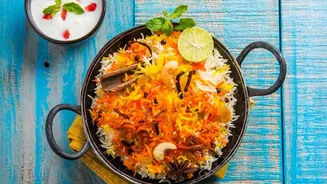
Forget truffle oil; India has its own prized fungus: the Gucchi, or morel mushroom. Foraged from the Himalayan slopes after the snow melts, these wild mushrooms are incredibly rare and expensive. Their flavour is deep, earthy, and smoky, with a unique
honeycomb texture that absorbs spices beautifully. Gucchi Pulao is a luxurious dish where these morels are the star, cooked with fragrant basmati rice and delicate whole spices like cardamom and cinnamon. It's a celebratory dish in Kashmiri cuisine, offering a taste of the mountains that is both rustic and refined.
Lingri Sabzi: The Forest Fern
Known as Fiddlehead Ferns in English, Lingri (or Dheki Saag in Bengal) are the coiled fronds of a young fern, foraged from the wild in regions like Himachal, Uttarakhand, and the Northeast. These greens are only available for a short season and must be cooked thoroughly. When stir-fried with simple ingredients like mustard oil, garlic, and chillies, Lingri has a unique, crisp texture and a flavour often compared to a mix of asparagus and green beans. It's a true taste of the forest, offering a fresh, earthy bite that connects you directly to the region's landscape.
Mochar Ghonto: The Banana Blossom Delicacy
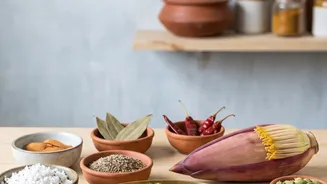
Before a banana bunch develops, it starts as a large, purplish flower known as 'mocha' in Bengali. While it requires some effort to prepare, the banana flower is transformed into Mochar Ghonto, a spectacular dry curry. The florets are finely chopped and cooked with potatoes, coconut, and a blend of aromatic spices. The flavour is subtly astringent but deeply savoury, with a texture that is often compared to minced meat, making it a beloved vegetarian dish. It's a classic example of Bengali culinary ingenuity, turning a humble, often overlooked part of the banana plant into a feast.
Kamal Kakdi ki Sabzi: The Crunchy Lotus Stem
Lotus stem, or Kamal Kakdi, is a vegetable that boasts a beautiful, lace-like pattern and a satisfyingly crunchy texture, even after being cooked. Though popular in Kashmiri (where it is called Nadru) and Sindhi cuisines, it remains underappreciated in many other parts of India. It can be prepared in various ways, from rich, yogurt-based yakhni curries to simple stir-fries. A popular North Indian preparation involves stir-frying thin slices of lotus stem with potatoes and a medley of spices, creating a dish that is both texturally interesting and deeply flavourful.
Patra/Alu Vadi: The Rolled Leaf Snack
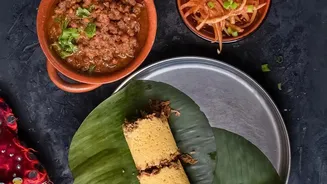
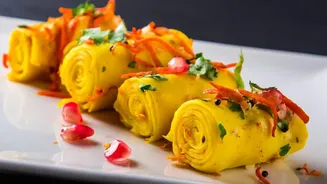
Patra is a culinary masterpiece from Gujarat and Maharashtra, where it's known as Alu Vadi. It's made using large Colocasia (or taro) leaves, which are often considered too coarse or itchy to eat. To make Patra, the leaves are de-veined and slathered with a thick, sweet, and tangy paste of gram flour (besan), jaggery, tamarind, and spices. The layered leaves are then rolled, steamed, sliced into pinwheels, and finally tempered or fried until crisp. The result is a complex snack that is spicy, sweet, and sour all at once—a true testament to turning a difficult ingredient into a delight.
Sohjne ke Phool ki Sabzi: The Floral Stir-Fry
Moringa, or the drumstick tree, is famous for its nutrient-packed leaves and pods, but its delicate white flowers ('sohjne ke phool') are a forgotten delicacy. Popular in Eastern India, these flowers are edible and have a subtle flavour with a slightly bitter note. To prepare them, the flowers are often boiled briefly to mellow their bitterness before being stir-fried with potatoes, peas, and spices like mustard seeds and cumin. The resulting sabzi is light, nutritious, and offers a completely different way to enjoy the beloved moringa tree.
Palakottai Kootu: The Jackfruit Seed Curry
While ripe jackfruit is loved for its sweetness and raw jackfruit is a popular meat substitute, the seeds ('palakottai') are often discarded. However, in South Indian kitchens, these seeds are treasured. Once boiled, their hard outer shell is peeled to reveal a firm, starchy interior with a texture similar to a cooked chestnut or potato. They are used to make Palakottai Kootu or Poriyal, a curry or stir-fry where the seeds add substance and a mild, nutty flavour. Cooked with lentils, coconut, and spices, this dish is a delicious lesson in zero-waste cooking.
Papad ki Sabzi: The Pantry Staple Curry
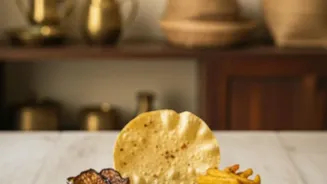
What do you cook when you have no fresh vegetables at home? In Rajasthan, the answer is Papad ki Sabzi. This ingenious dish transforms roasted or fried papads into a flavourful curry. Pieces of papad are added to a spicy and tangy yogurt-based gravy (dahi). The papad soaks up the gravy, becoming soft yet retaining a slight bite. It's a quick, resourceful, and surprisingly delicious curry born out of the necessity of cooking in an arid region with limited access to fresh produce. It's a perfect example of how pantry staples can be elevated into a satisfying meal.