




What is Soil Compaction?
Healthy soil is a balanced mix of mineral particles, organic matter, water, and, crucially, air. About half of a healthy soil's volume should be pore space—tiny gaps that allow roots to grow and water and air to move freely. Soil compaction occurs when
these soil particles are pressed together, squeezing out the pore space. The soil becomes dense, heavy, and hard. Think of it as the difference between a fluffy sponge and a dense brick. The sponge can easily absorb and hold water, while the brick causes water to run off its surface. Compacted soil behaves much like that brick, creating a hostile environment for plant life.
The Double Threat to Your Plants
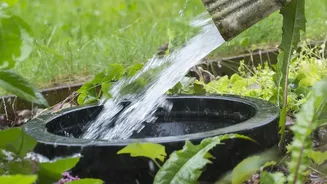
Compaction delivers a one-two punch to plant roots by attacking their two most essential lifelines: water and air. Firstly, it ruins drainage. With fewer large pores, water cannot easily penetrate the soil, leading to pooling on the surface after rain or watering. Instead of soaking in to reach the roots, water may run off, carrying valuable topsoil and nutrients with it. Secondly, it reduces aeration. Plant roots need to breathe. They take in oxygen from the air held within soil pores. When these spaces are eliminated, roots are effectively starved of air, which can restrict growth, hinder nutrient uptake, and make plants more susceptible to disease. Roots trapped in compacted layers become shallow and malformed, unable to expand and search for the nutrients and moisture they need.
Common Causes in an Indian Garden
Soil compaction rarely happens overnight. It’s often the result of everyday activities. Heavy foot traffic is a primary culprit, especially on designated paths or children's play areas. The weight of people and even pets gradually compresses the soil, particularly when it's wet. Construction activity around a new home can cause deep compaction that lasts for years. Even repeated mowing along the same route creates pressure patterns that damage soil structure. Another significant factor is working with soil when it's too wet, as this makes it highly susceptible to compression. Heavy monsoon rains on bare, unprotected soil can also pound particles together, creating a hard crust on the surface.
How to Diagnose Compacted Soil
Your plants will often show you the signs of compaction before you realise what's happening. Look for symptoms like stunted growth, yellowing leaves (a sign of nutrient deficiency), and general wilting even when the soil seems moist. You might also notice that water puddles on the surface for a long time after watering or a heavy downpour. The ground itself will feel hard and difficult to dig. A simple and effective diagnostic is the 'screwdriver test'. Try pushing a long screwdriver or a metal rod into moist soil. In healthy soil, it should penetrate relatively easily. If you meet significant resistance a few inches down, you've likely hit a compacted layer.
Restoring Your Soil: Short-Term Relief
If you have a lawn, the most effective immediate solution is core aeration. This process involves using a tool to pull out small plugs of soil, creating channels that allow air, water, and nutrients to penetrate the compacted layer. For garden beds, you can achieve a similar, though less intensive, effect by gently loosening the top few inches of soil with a broadfork or a garden fork. Be careful not to overtill, as pulverising the soil can destroy its structure and lead to further compaction over time. These actions provide quick relief, but for lasting results, you need to focus on rebuilding the soil's health.
The Long-Term Fix: Building Healthy Soil Structure
The single best way to prevent and reverse soil compaction is to regularly add organic matter. Materials like compost, well-rotted manure, and leaf mould are transformative. Organic matter acts like a sponge, improving water retention in sandy soils and drainage in clay soils. It feeds beneficial soil microbes and earthworms, whose activity helps create stable soil aggregates—clumps of soil particles bound together—which in turn creates the precious pore space your plants need. Aim to amend your beds with a generous layer of compost at least once a year. Using mulch on the soil surface helps protect it from the compacting force of rain and reduces moisture loss. Finally, be mindful of where you walk. Establishing permanent pathways in your garden will prevent you from repeatedly treading on and compacting your growing areas.