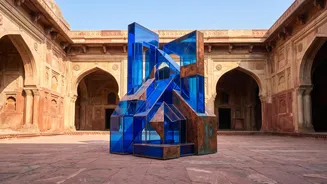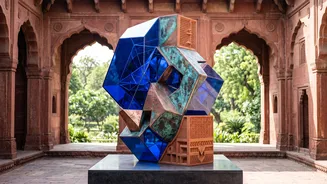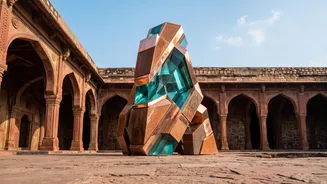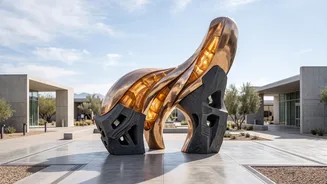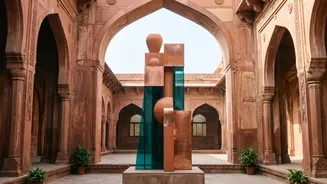





This winter, Delhi is set to transform its most revered historical sites into a sprawling, open-air art museum. The India Biennale will place contemporary art inside ancient forts and tombs, creating a unique dialogue between the past and present.
A City-Wide Cultural Takeover
Prepare
to see the capital in a completely new light. The second edition of the India Biennale, organised by the Ministry of Culture, is poised to become one of the country's most ambitious cultural events. Running for 108 days from December 4, 2026, to March 21, 2027, this festival of art, architecture, and design will unfold across Delhi's most significant heritage sites, museums, and public spaces. The event moves beyond the confines of traditional galleries, positioning contemporary creative works within the very fabric of India's rich history. Following a successful inaugural edition in 2023, this year's biennale expands its footprint to create a city-wide platform for dialogue and discovery.
Where History and Contemporary Art Collide
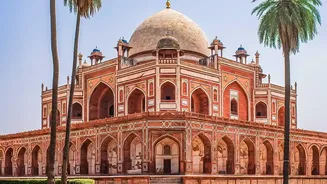
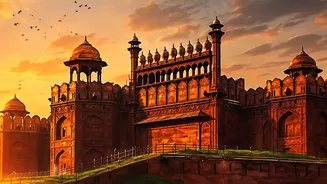
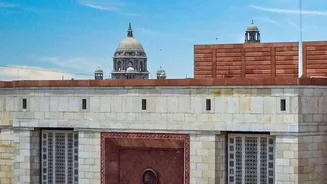
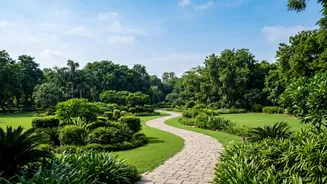
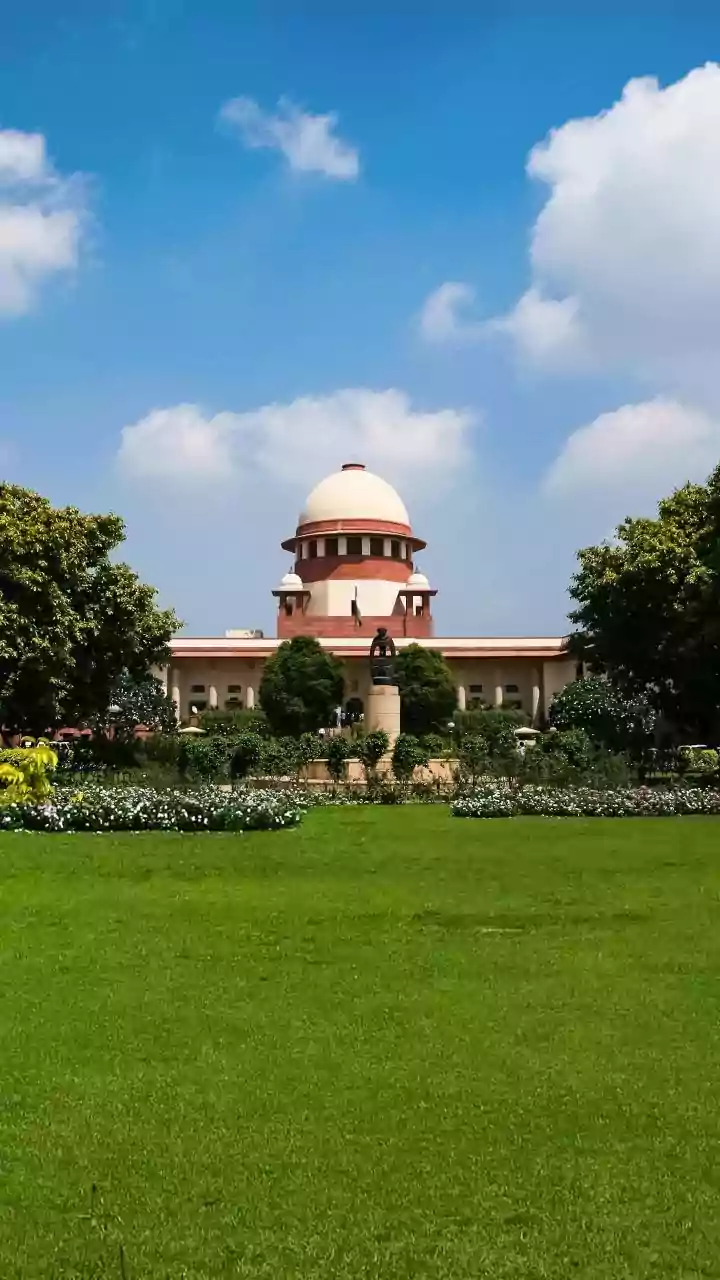
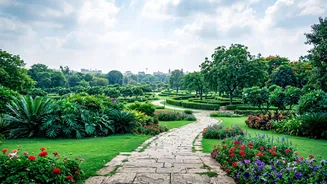
The sheer scale of the venue list highlights the festival's ambition. The historic Purana Qila will serve as the anchor venue, hosting major pavilions and installations. However, the biennale's spirit lies in its use of satellite locations that read like a guide to Delhi's history. Exhibitions and experiences are planned for Mughal-era marvels like the Red Fort, Humayun's Tomb, and Safdarjung Tomb. Other iconic sites, including the Qutub Minar complex, the 18th-century astronomical observatory Jantar Mantar, Agrasen ki Baoli, and the serene Lodhi Garden, will also become canvases for artists. This widespread activation extends to cultural powerhouses like the National Gallery of Modern Art (NGMA), the National Museum, and the Indira Gandhi National Centre for the Arts (IGNCA), creating an interconnected art trail across the metropolis.
The Guiding Vision: 'You Are That'
The curatorial theme for the India Biennale 2026 is 'Tat Tvam Asi', a profound Sanskrit phrase from the Upanishads that translates to 'You Are That'. This concept invites visitors to see themselves as part of a larger whole, recognising the deep connections between self, culture, community, and place. In an era of digital distraction, the biennale encourages a moment of pause and deeper engagement. The art on display will span all mediums, from handmade crafts and traditional forms like Cheriyal Scroll Paintings to immersive digital and new-media installations. The goal is to use art to slow the eye, foster presence, and create a meaningful dialogue between India's layered heritage and its contemporary creative energies.
Art for Everyone, Beyond the Gallery Walls
A central aim of the India Biennale is to democratise art and make it more accessible. By placing installations in public and historical spaces, organisers hope to engage a broader audience that might not typically visit a gallery. To facilitate this, a unified India Biennale Pass will replace standard entry tickets at participating monuments for the duration of the festival. Passes are available in several tiers, from a single day pass to a full season pass, making it easier for residents and tourists to plan their cultural explorations. The event will also feature a dedicated Student Biennale, providing a prominent platform for emerging young artists to experiment and connect with the wider creative community. This massive public–private partnership involves not just government bodies but also leading cultural foundations, galleries, and participation from over 20 countries, turning Delhi into a truly global cultural hub.