



The Ancient Wisdom of Fermentation
Long before terms like 'probiotics' and 'gut microbiome' entered our vocabulary, Indian kitchens were already mastering the art of fermentation. This age-old practice wasn't just for preservation; it was a cornerstone of a balanced diet, designed to support
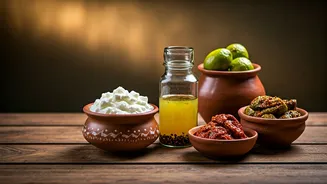
digestion and overall well-being. Today, as science catches up with this traditional wisdom, we're rediscovering that these simple, homemade foods are sophisticated systems for delivering beneficial bacteria to our gut. A healthy gut is linked to almost every aspect of our health, from a strong immune system to improved mood and clearer skin. The fermented foods that are staples in Indian cuisine, like dahi, kanji, and achar, play a vital role in maintaining this delicate internal ecosystem.
Curd: The Probiotic Powerhouse
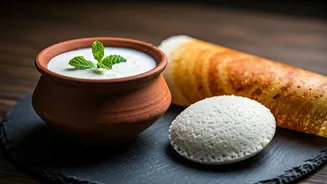
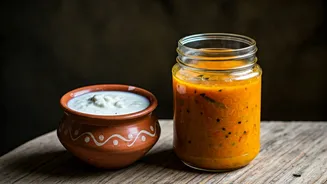
A bowl of freshly set curd, or dahi, is more than just a cooling accompaniment to a spicy meal. It is a powerhouse of nutrition and beneficial bacteria. Made by fermenting milk, curd is rich in probiotics like Lactobacillus, which help maintain a healthy balance of gut flora. These friendly bacteria aid in digestion, making it easier for the body to absorb nutrients from food and can even help soothe issues like bloating and constipation. Beyond probiotics, curd is an excellent source of calcium for strong bones, protein for muscle repair, and essential vitamins like B12. Its regular consumption is associated with a stronger immune system, as a significant portion of our immune cells reside in the gut.
Kanji: The Fermented Wonder-Drink
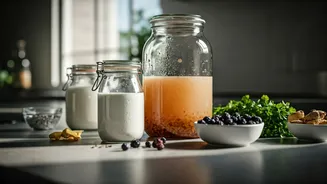
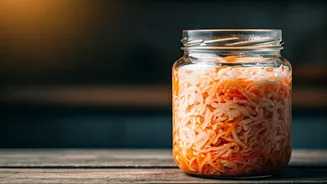
Kanji is a traditional North Indian fermented beverage, most famously made with black carrots, mustard seeds, and salt. This tangy, earthy drink is typically prepared during the winter and spring months and is especially popular around the festival of Holi. The fermentation process transforms the humble ingredients into a potent probiotic tonic. Kanji is celebrated for its ability to support digestion, boost immunity, and act as a natural detoxifier. The beneficial bacteria created during fermentation help populate the gut, while the black carrots provide a dose of antioxidants known as anthocyanins. Low in calories and rich in nutrients, it's a refreshing and functional beverage that has been part of India's wellness traditions for centuries.
Pickles: More Than a Tangy Condiment
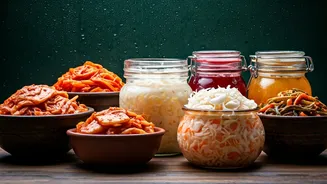
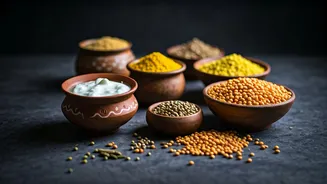
Often dismissed as a mere flavour enhancer, traditional Indian pickle, or achar, is another key player in the world of desi fermented foods. When made through natural fermentation (using salt and sunlight) rather than with vinegar, pickles become a rich source of probiotics. These beneficial bacteria, like Lactobacillus, help break down food more efficiently and can improve gut health. Furthermore, Indian pickles are made with a variety of spices like turmeric, fenugreek, and mustard seeds, which have their own anti-inflammatory and antioxidant properties. While it's important to consume pickles in moderation due to their high salt and oil content, a small serving with a meal can aid digestion and enhance your appetite.