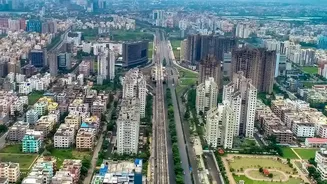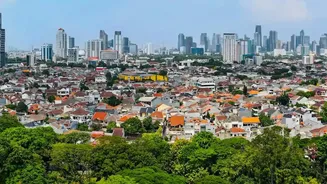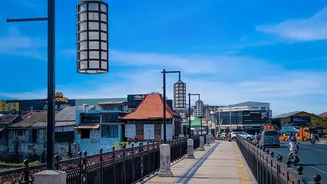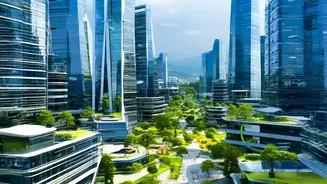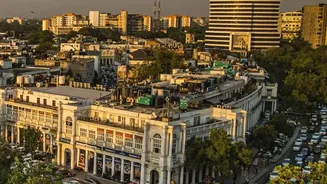





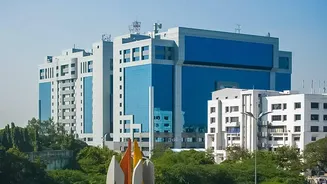
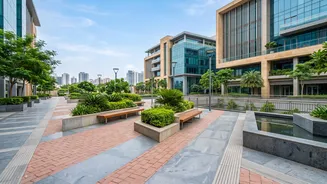

For decades, the sound of progress in urban India was the roar of traffic. But a quiet revolution is underway. Frustrated by congestion and pollution, cities are starting to reclaim their streets for people, not just for cars.
The End of the Car-First Era
Many of India's urban landscapes
are a direct result of post-independence planning that prioritised vehicular traffic. This car-centric approach led to sprawling road networks, flyovers, and underpasses designed to move vehicles as quickly as possible. While this was seen as a sign of modernisation, it came at a significant cost. Footpaths, where they existed at all, were often narrow, broken, or encroached upon, forcing pedestrians into dangerous carriageways. This has contributed to social isolation, sedentary lifestyles, worsening air pollution, and a high number of pedestrian fatalities. The daily commute for millions has become a frustrating grind, leading to a growing consensus that the old model is unsustainable and detrimental to quality of life.
A New Blueprint for Urban Living
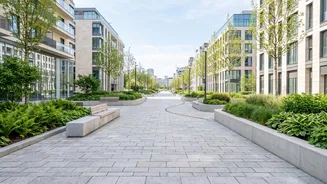
In response, a new vision is gaining momentum, one that places people at the heart of urban design. This movement is centred on 'walkability' and 'placemaking'. Walkability is about creating environments where walking is a safe, convenient, and pleasant mode of transport. Placemaking is the idea of transforming public spaces from mere thoroughfares into vibrant destinations where people can gather, interact, and socialise. These concepts are being driven by government initiatives like the 'Streets for People Challenge', which encourages cities to pilot projects that redesign streets as public spaces. The goal is to create '15-minute cities', where essential amenities like schools, shops, and parks are accessible within a short walk or cycle, reducing dependency on private vehicles.
Cities Reclaiming Their Streets
This shift is not just theoretical; it's happening on the ground. Chennai became a pioneer by adopting a Non-Motorised Transport Policy and transforming the bustling T. Nagar area with its Pondy Bazaar Pedestrian Plaza, which led to an increase in sales for local retailers. In Pune, several main roads were redesigned with wider footpaths and dedicated experience zones for activities like yoga and music, earning it recognition as a winner in the 'Streets for People Challenge'. Other cities like Bengaluru, Gurugram, and Kohima have also implemented successful pilot projects, pedestrianising market areas and creating safer zones around schools. These examples demonstrate a tangible commitment to reallocating road space from cars to people.
More Than Just a Pleasant Stroll
The benefits of walkable, social cities extend far beyond aesthetics. Economically, pedestrian-friendly streets boost local businesses by increasing footfall. From a public health perspective, they encourage physical activity, helping to combat non-communicable diseases linked to sedentary lifestyles. Environmentally, promoting walking and cycling reduces vehicular emissions, leading to cleaner air. There are also significant social advantages. Well-designed public spaces foster a sense of community, improve public safety, and promote social equity by ensuring that cities are accessible to everyone, regardless of whether they own a car. Ultimately, walkability is central to building resilient urban areas that are less vulnerable to shocks like fuel price spikes.
The Roadblocks to a Walkable Future
Despite the clear benefits, the transition is not without its challenges. The biggest hurdle is often changing the longstanding, carcentric mindset of planners and the public. There can be resistance from car owners and some businesses who fear that reducing road space will negatively impact them. Securing funding, ensuring political will, and managing the complex process of redesigning existing builtup areas are also significant obstacles. Furthermore, creating walkable infrastructure is only half the battle; ensuring it is wellmaintained, free from encroachments, and safe for all users, including women and children, requires continuous governance and community engagement. The division of responsibility for roads among multiple civic agencies can also complicate implementation.