
A Quick Tour of the Kuiper Belt
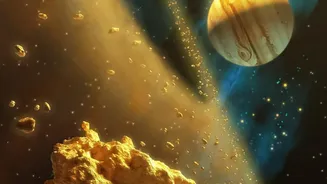
First, let's set the scene. The Kuiper Belt is a massive, doughnut-shaped ring of icy bodies circling the sun far beyond the planets. Think of it as a cosmic deep freeze, home to dwarf planets like Pluto and millions of comets and other frozen objects.
For a long time, scientists viewed this region as largely inert and unchanged since the solar system formed over 4.5 billion years ago. Because it is so far from the sun, temperatures here are incredibly low, making the presence of liquid water seem impossible. These objects are essentially time capsules, holding clues about the conditions of the early solar system, which is why scientists are so eager to study them.
Searching for Clues in Cosmic Dust
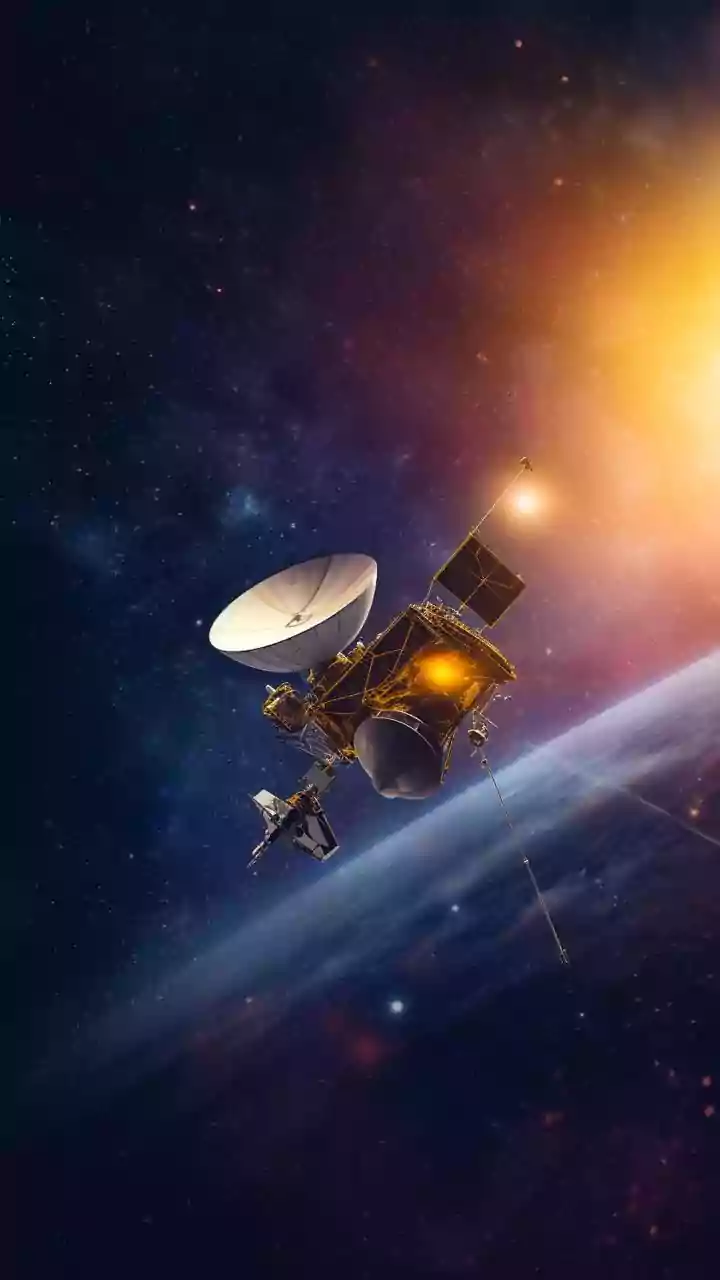
Studying the Kuiper Belt directly is challenging due to the immense distances involved. While missions like NASA's New Horizons have given us spectacular close-ups of objects like Pluto and Arrokoth, we can't visit every object. Instead, scientists often rely on analysing the fine dust particles that drift inward from the Kuiper Belt. This dust is composed of tiny grains shed by comets as they travel through the solar system. By studying the composition of this dust, either through Earth-based telescopes or by analysing samples returned by spacecraft, researchers can learn about the parent bodies from which the dust originated without having to travel billions of kilometres.
The Unexpected Mineral Discovery
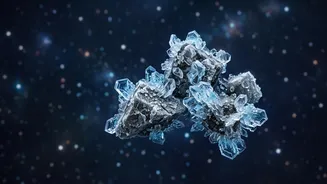
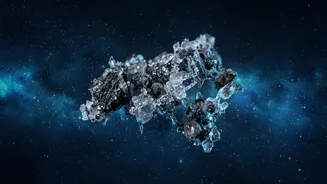
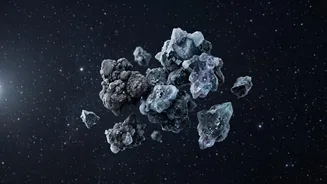
The latest study focused on the specific mineral makeup of this dust. What researchers found was surprising: the presence of phyllosilicates. This may sound like a complex scientific term, but the takeaway is simple and profound. Phyllosilicates, which include common clay minerals found on Earth, can only form when dry, silicate rock comes into contact with liquid water. Finding them in dust originating from the frigid Kuiper Belt is a 'smoking gun' for past water-rock interactions. The original rocky material would have been something simple, like olivine, but its prolonged exposure to water chemically altered it into the phyllosilicates that were detected.
A Warmer and Wetter History
This discovery completely changes our picture of the Kuiper Belt's history. It implies that many of these small, icy bodies were not always frozen solid. Billions of years ago, they must have contained enough internal heat to melt some of their ice and maintain liquid water for extended periods. This heat likely came from the decay of radioactive elements trapped inside the objects when they first formed. For a time, these small worlds may have had watery interiors, where rocks and water could mix and react. This suggests a much more geologically active and dynamic past for the outer solar system than was previously thought.
Delivering the Building Blocks of Life
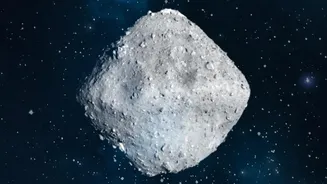
The implications extend far beyond the Kuiper Belt itself. The discovery reinforces a leading theory about how Earth became a habitable planet. Comets and asteroids, originating from these outer regions, are thought to have bombarded the early Earth, delivering vast quantities of water to our once-dry world. This study suggests they didn't just deliver frozen ice; they may have also transported water that had already reacted with rocks to form complex minerals. These reactions are also known to create environments that can produce organic molecules—the chemical building blocks of life. In essence, the Kuiper Belt may have served as a vast factory and delivery service for the very ingredients that allowed life to eventually emerge on our planet.