




The Allure and the Danger
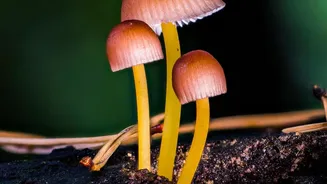
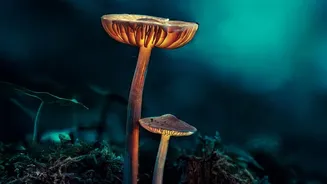
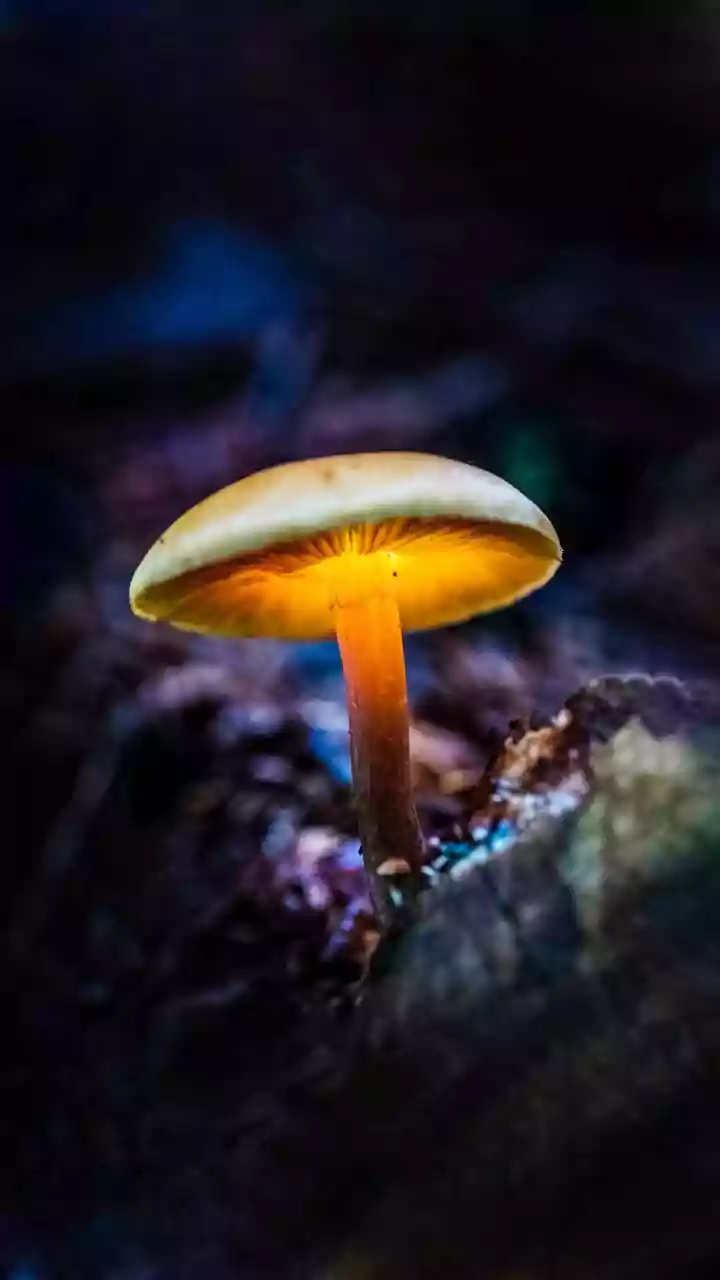
As the rains drench the Indian landscape, forests and grasslands come alive with an incredible diversity of fungi. From the prized 'Olmi' of Goa that grow on termite mounds to the 'Rugda' of Jharkhand, often called vegetarian mutton, wild mushrooms are
a celebrated monsoon delicacy. For generations, tribal and rural communities have foraged these natural treasures, which form a vital part of their diet and local economy. However, this age-old tradition is fraught with risk. For every delicious edible mushroom, there is a potential poisonous lookalike. Cases of severe poisoning, and even death, are reported every monsoon season from the accidental consumption of toxic wild mushrooms.
The Golden Rule: Absolute Certainty
The single most important rule of consuming wild mushrooms is this: if you are not 100% certain of its identity, do not eat it. There are no simple tricks or home tests to distinguish a safe mushroom from a poisonous one. Myths like 'poisonous mushrooms are brightly coloured' or 'cooking removes toxins' are dangerously false. Many of the world’s deadliest mushrooms, like the Death Cap (Amanita phalloides), are unassuming in appearance and can be mistaken for edible varieties like the Paddy Straw mushroom. Peeling, soaking, or boiling a toxic mushroom will not make it safe. The only protection is correct identification, every single time.
Risk 1: Mistaken Identity and Lookalikes
The primary danger is misidentification. Many poisonous species have evolved to mimic edible ones, creating treacherous 'lookalike' pairs. For example, the prized edible Chanterelle can be confused with the toxic Jack-o'-lantern mushroom. True Morels, a delicacy, have a poisonous counterpart in 'False Morels' (Gyromitra species), which can cause severe illness. The Amanita family is particularly notorious, containing some of the most lethal mushrooms known, including the aptly named 'Destroying Angel'. Even a small piece of a toxic Amanita can be fatal, causing irreversible liver and kidney damage. Without expert knowledge, telling these apart is nearly impossible.
Risk 2: Not All Market Mushrooms Are Safe
Buying mushrooms from a local market or a roadside vendor might seem safer than foraging yourself, but it still carries risks. While many vendors are knowledgeable, mistakes can happen. A forager might accidentally collect a toxic mushroom along with the edible ones, which then gets mixed into the pile for sale. Unless you are buying from a certified grower or a reputable source that can guarantee their product, the 'buyer beware' principle applies. Always inspect the mushrooms yourself if you have the knowledge, and never consume anything that looks different from the rest of the batch or feels suspicious. Even with commercially grown mushrooms, ensure they are fresh and free from decay.
Symptoms You Must Never Ignore
Mushroom poisoning symptoms can vary widely depending on the toxin ingested. Some cause immediate gastrointestinal distress, including nausea, vomiting, stomach cramps, and diarrhoea, which might appear within 30 minutes to a few hours. While unpleasant, this is often a sign of a less severe irritant. A far more dangerous sign is a delayed onset of symptoms. Toxins like amatoxins, found in Death Caps, have a latency period. You might feel fine for 6 to 24 hours after consumption, after which severe gastrointestinal issues begin, followed by a terrifying phase of apparent recovery. During this time, the toxins are silently destroying liver and kidney cells, which can lead to organ failure and death days later.
How to Stay Safe
Enjoying mushrooms during the monsoon can be a wonderful culinary experience if done safely. The best way is to consume mushrooms that are commercially cultivated and bought from a reliable grocery store or vendor. If you are interested in foraging, go with an experienced local expert or join a mycology group. Invest in a high-quality, region-specific field guide to learn identification, but never rely on a book or an app alone. When trying a new-to-you wild edible mushroom for the first time, even from a trusted source, eat only a small, well-cooked portion and wait 24 hours to see how you feel before consuming more.