




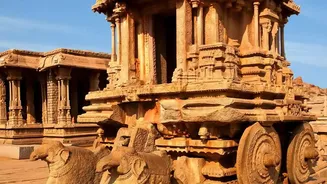
Hampi: A Journey Through Time
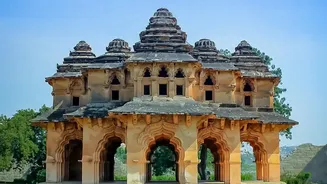
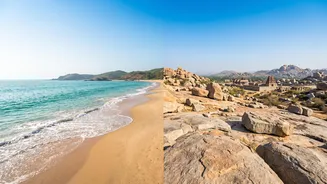
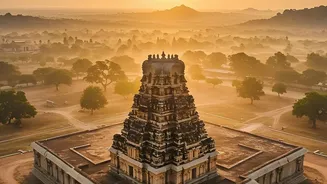
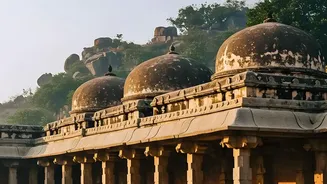
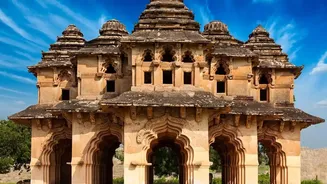
Step into Hampi, and you step into a land frozen in time. A UNESCO World Heritage Site, this is the former capital of the formidable Vijayanagara Empire. The landscape is otherworldly, defined by giant ochre-coloured boulders that stretch as far as the eye
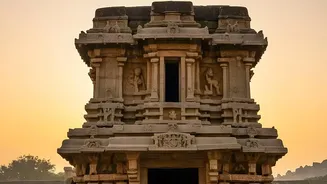
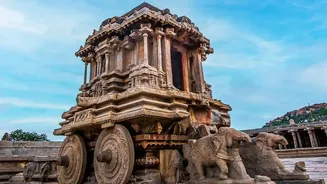
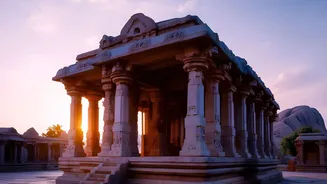
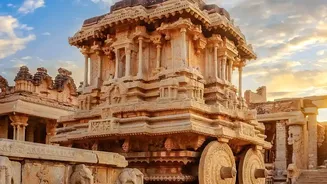
can see, interspersed with the majestic ruins of temples, palaces, and royal enclosures. The Tungabhadra River flows gently through this dramatic setting, separating the main bazaar area from the more tranquil 'hippie island' side, known for its paddy fields and laid-back guesthouses. Life in Hampi revolves around exploration. Days are spent wandering through architectural marvels like the Virupaksha Temple, which has been in continuous worship for centuries, and the iconic Vijaya Vittala Temple, home to the famous stone chariot and musical pillars. You can hire a bicycle or a coracle boat, or simply climb one of the many hills like Matanga or Hemakuta for a breathtaking sunrise or sunset over the ruins.
Gokarna: Where the Sea Meets the Soul
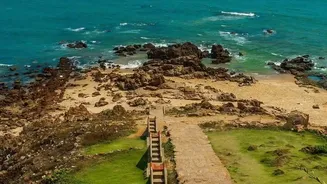
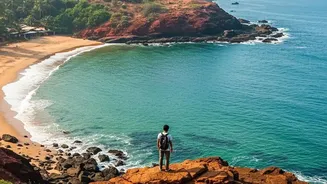
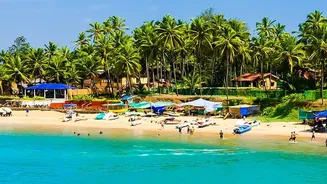
Swap the historical grandeur for coastal serenity, and you have Gokarna. Once primarily known as a Hindu pilgrimage town centred around the ancient Mahabaleshwar Temple, Gokarna has evolved into a beloved beach destination. It offers a more relaxed and less commercialised alternative to Goa. The town itself retains its spiritual heart, but a short auto-rickshaw ride over the hills will lead you to a string of beautiful beaches, each with its own distinct personality. Kudle Beach is a wide, crescent-shaped stretch of sand perfect for swimming and evening strolls, lined with shacks and cafes. Om Beach, famously shaped like the spiritual symbol, is a hub of activity with water sports options. For those seeking more solitude, a short trek from Om Beach leads to the secluded Half Moon and Paradise beaches, offering a true escape from the crowds.
The Vibe: Explorer vs. Chiller
The choice between Hampi and Gokarna ultimately comes down to the kind of holiday you're craving. Hampi is for the active explorer, the history enthusiast, and the photographer. It demands your energy; you'll be walking, climbing, and constantly discovering something new. The atmosphere is one of awe and wonder, a deep dive into India's glorious past. The other side of the river offers a space to relax, but the main draw remains the historical site. Gokarna is for unwinding. It's for those who want to read a book in a beach shack, practice yoga by the sea, swim in the waves, and enjoy fresh seafood. While it has its own significant temple, the primary experience is coastal relaxation. It’s a place to slow down, not to tick off a list of sights. Think of it as choosing between a fascinating open-air museum and a tranquil seaside retreat.
Practicalities: Getting There and When to Go
Both destinations are well-connected but require some planning. For Hampi, the nearest railway station is in Hospet, about 13 km away, with good connections from Bangalore, Hyderabad, and Goa. The best time to visit is during the cooler, dry winter months from October to February, as summers can be intensely hot. Gokarna is also accessible by train, with its own station (Gokarna Road) and another nearby at Ankola (20 km away). Its closest major airport is Dabolim in Goa, about 140-150 km away. The ideal time to visit Gokarna is also from October to March, when the weather is pleasant and sunny, perfect for beach activities. While both are in Karnataka, travelling between them takes a good 6-8 hours by road, so it's best to treat them as separate trips unless you have ample time.