


The Alluring Trap of the Colour Story
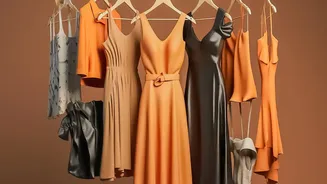
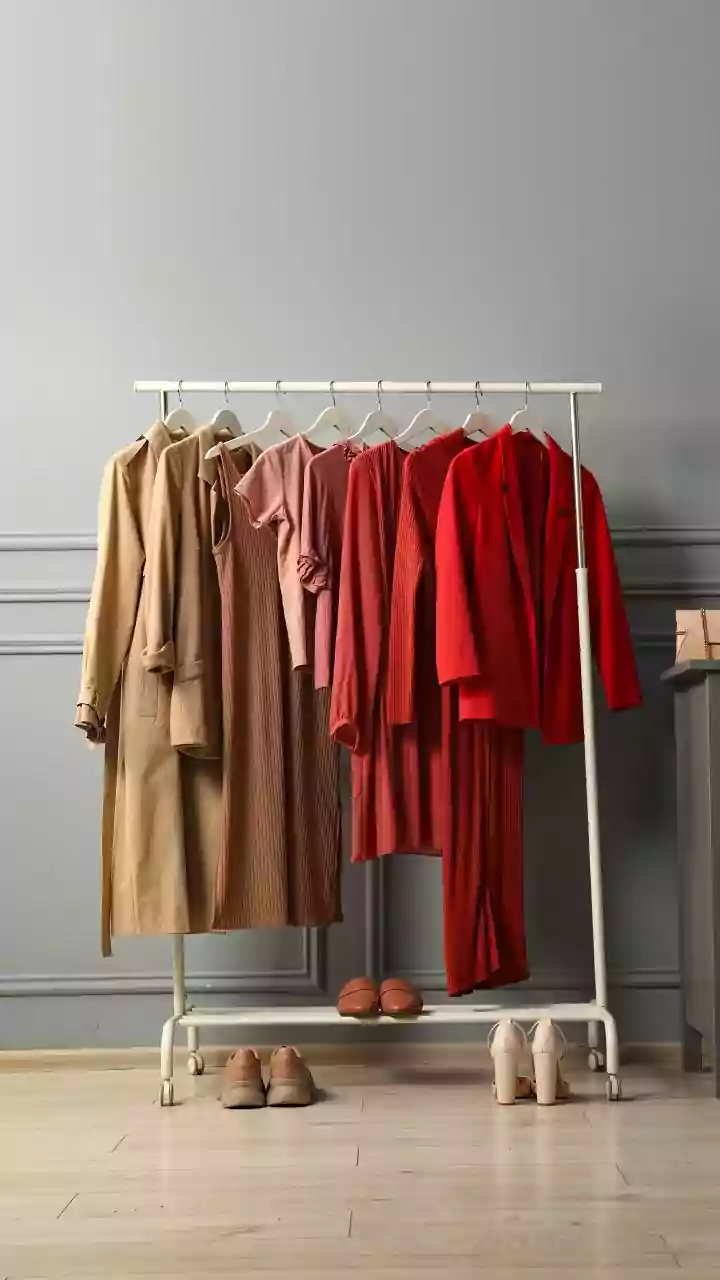
The idea of a 'colour story' or a seasonal colour palette is seductive. In fashion, it’s a curated group of colours designed to work together harmoniously. We're taught that if we just find our perfect palette—be it 'Autumn', 'Winter', 'Spring', or 'Summer'—and
stick to it, a cohesive wardrobe will magically appear. This approach promises to make shopping easier and ensure everything matches. However, it often becomes a restrictive trap. Many people find that seasonal analysis doesn't quite fit, boxing them into a narrow slice of the colour wheel and forbidding them from wearing colours they love. You might buy a beautiful ochre sweater because it fits your 'Autumn' palette, only to find it has no real place in the outfits you need for your actual life.
A New Mindset: Identify the Outfit Problem
Instead of asking, “What colour should I wear?” start by asking, “What problem do I need this outfit to solve?” This shifts your entire perspective from abstract theory to practical application. Your wardrobe doesn't exist in a vacuum; it's a tool to help you navigate your life. The real 'nothing to wear' problem is often a compatibility issue, not a colour one. You have individual pieces, but you don't have outfits. The goal is to build a wardrobe that is optimally adjusted to your daily activities and lifestyle requirements. Before you buy another item, think about the real, recurring events in your life. Do you need more reliable work-from-home outfits? A go-to look for casual weekend brunches? An easy-to-pack outfit for frequent travel? These are your 'outfit problems'.
Putting It Into Practice: Find the Gaps
To start solving these problems, you need to identify the gaps in your wardrobe. Look at the clothes you own but never wear. Often, it's because you're missing the one key piece that would turn it into a complete outfit. Maybe you have a collection of beautiful blouses but no versatile trousers to pair them with. Or perhaps you own several statement skirts but lack the simple, foundational tops to make them work. A practical exercise is to think of an upcoming occasion and try to build an outfit from your closet. Where do you get stuck? What piece do you find yourself wishing you had? That missing item is a true wardrobe gap. Your shopping list should be a collection of these problem-solvers, not a list of trendy colours.
From Problem to Purchase: Shopping with Purpose
When you shop to solve an outfit problem, your criteria change. You're no longer just looking for a 'nice top'. You're looking for 'a comfortable-yet-professional knit top that I can wear for video calls and also tuck into jeans on the weekend'. This specificity is powerful. It forces you to think in terms of outfits and versatility. Before buying anything, ask yourself a few key questions. Can I create at least three to five distinct outfits with this piece using what I already own? Does it solve a recurring wardrobe challenge I face? Does it align with my actual lifestyle, not an aspirational one? This approach prevents impulse buys and helps you acquire pieces that become true wardrobe workhorses, rather than closet orphans.
Building a Wardrobe That Actually Works
Over time, focusing on outfit problems rather than colour stories builds a functional, cohesive, and deeply personal wardrobe. You end up with a collection of reliable outfit formulas for the life you actually lead. Your closet becomes less of a chaotic collection of individual items and more of a system of interconnected solutions. Colours will naturally find their way in, but they will be guided by function and personal preference, not by a rigid, external set of rules. This method doesn't mean you can't love and wear colour; it simply reframes it as a supporting element to the bigger goal: having the right outfit for any occasion, ready to go. The result is less decision fatigue, more confidence, and the quiet satisfaction of finally solving that age-old 'nothing to wear' dilemma.