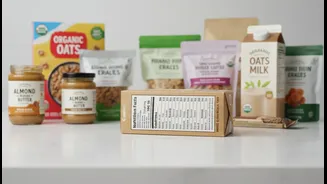







What Exactly Is Changing on Food Labels?
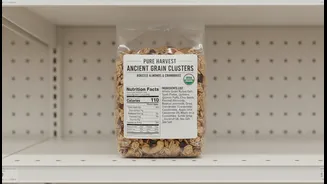
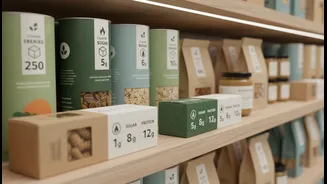
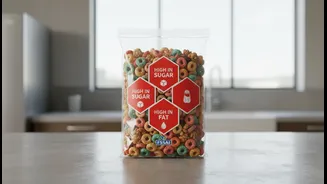
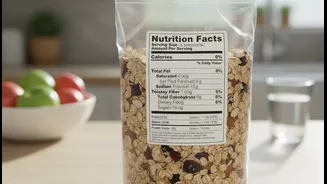
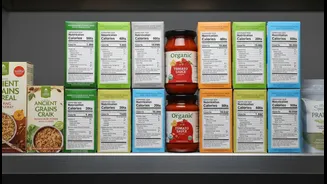
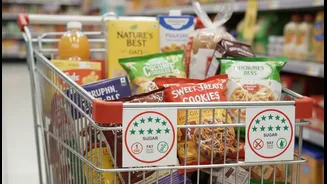
The biggest change is the introduction of Front-of-Pack Labelling (FOPL). Instead of squinting at the complicated nutrition table on the back, you'll see a simple, at-a-glance rating on the front. This system is called the Indian Nutrition Rating (INR).
It will use a star-based system, ranging from a half-star (least healthy) to five stars (most healthy). The more stars a product has, the better it is considered to be in terms of its overall nutritional profile. This move is part of a broader crackdown by the Food Safety and Standards Authority of India (FSSAI) on misleading claims, ensuring words like "Natural" or "Fresh" aren't used loosely.
Why the Big Push for New Labels Now?
This initiative is a direct response to a serious public health challenge in India: the rise of non-communicable diseases (NCDs) like obesity, diabetes, and hypertension. Health experts link the growing consumption of processed foods, which are often high in fat, sugar, and salt (HFSS), to this health crisis. Studies show that deaths attributable to NCDs have increased significantly in India over the past few decades. The FSSAI's goal is to empower shoppers to make healthier choices without needing a degree in nutrition. By providing clear, simplified information, the regulator hopes to steer consumers toward products with better nutritional value and encourage manufacturers to reformulate their products to be healthier.
Reading the New Labels: A Practical Guide
Imagine you’re choosing between two brands of biscuits. One might have a two-star rating, while the other has four stars. The INR system does the hard work for you by calculating a score based on energy, total sugars, saturated fat, and sodium. It also considers positive nutrients like protein, fibre, and the presence of fruits, vegetables, nuts, and millets. For a busy shopper, this means you can instantly identify the healthier option. Instead of trying to compare grams of sugar and percentages of daily allowances, you can simply compare the star ratings. This is especially helpful for young shoppers and families trying to make quick, informed decisions during their weekly grocery run.
What This Means for Your Favourite Snacks
Prepare for a reality check on some of your go-to packaged foods. Many popular snacks, instant noodles, and sugary beverages may receive low star ratings due to their high content of salt, sugar, and saturated fats. This transparency might be surprising, revealing that some products marketed as convenient or even healthy are not as nutritious as they seem. The regulations will impact major brands across the board, pushing them to be more accountable. While the initial rollout of the star rating system is expected to be voluntary for a period, it will eventually become mandatory, fundamentally changing how these products are presented and perceived.
The Broader Crackdown on Misleading Claims
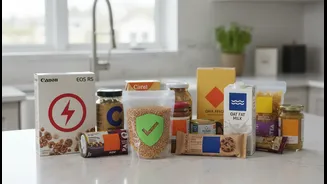
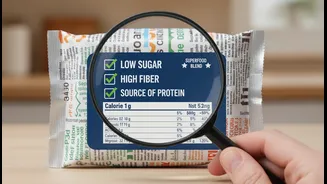
Beyond the star ratings, FSSAI is also actively pursuing companies for making misleading claims on their packaging. In recent months of 2026, notices have been sent to several brands for using terms like "100% vegetarian," "Fresh," and "All Natural" without proper justification or certification. For example, a company was questioned for labelling its paneer as "Fresh," as the term has specific conditions for its use that the regulator felt were not met. Another company's "Vegan Hazelnut Chocolate Spread" was flagged for using claims like "100% Organic" and "Vegan" without the necessary approvals. This wider enforcement action sends a clear message: the words on the package must accurately reflect what's inside.