

Understanding the Grand Feast
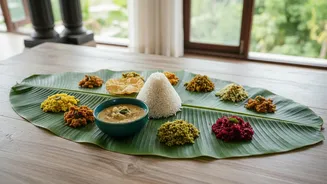
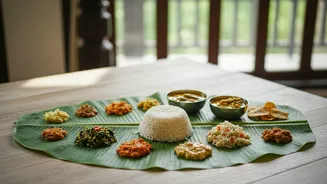
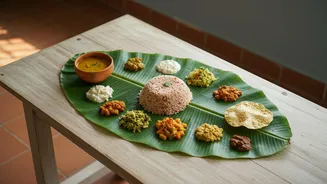
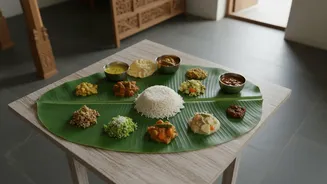
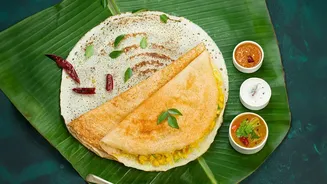
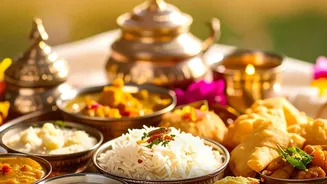
A Sadya, which translates to 'banquet' in Malayalam, is an elaborate vegetarian meal that is the culinary centerpiece of the Onam festival. It celebrates Kerala's harvest and the homecoming of the mythical King Mahabali. Served on a fresh banana leaf,
the feast can feature anywhere from a dozen to over 26 dishes, each with its own designated spot on the leaf. The meal is a symphony of flavours, balancing sweet, sour, salty, and spicy tastes. While it looks complex, the secret to a successful Sadya is not in cooking all 26+ dishes, but in understanding the key components and planning ahead. You don't need a huge spread to capture the spirit of the festival; even a simplified version with essential dishes can be a deeply satisfying experience.
The Must-Have Dishes for Beginners
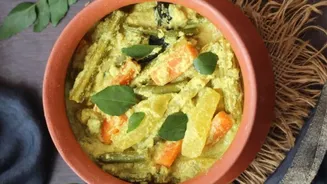
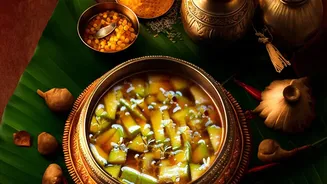
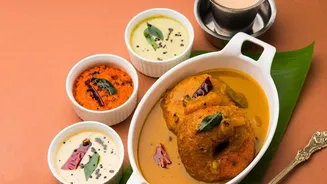
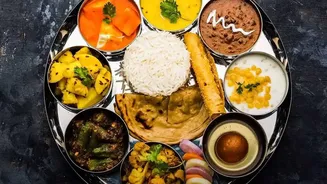
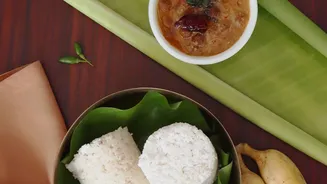
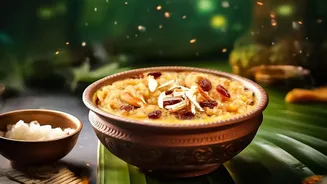
To avoid feeling overwhelmed, focus on a core menu of about 10-12 essential items that represent the full flavour profile of a Sadya. Start with Matta rice, the traditional red rice of Kerala. For the main gravies, you’ll want Parippu (a simple moong dal curry served with ghee) and Sambar (a hearty lentil and vegetable stew). For the side dishes, Avial is non-negotiable; it's a thick mixture of various vegetables cooked with coconut and yogurt. Add a Thoran, which is a dry stir-fry of vegetables like cabbage or beans with grated coconut. Also include a yogurt-based dish like Pachadi or Kichadi (often made with pineapple or cucumber) and a milder coconut milk-based stew like Olan. To complete the plate, you need condiments like Inji Puli (a sweet and tangy ginger-tamarind chutney), a simple pickle, crispy Pappadam, and banana chips (Upperi). For dessert, a simple Payasam (like Palada Payasam, made with rice flakes and milk) is the perfect sweet ending.
Your Step-by-Step Cooking Plan
Good planning transforms a daunting task into a manageable one. The key is to stagger your preparation over a few days. Two Days Before: This is your shopping day. Make a detailed list of all the vegetables, lentils, spices, and other ingredients you'll need. You can also buy store-bought items like banana chips and pappadams to save time. If you're feeling ambitious, you can prepare Sharkara Varatti (jaggery-coated banana chips) and Inji Puli, as they have a longer shelf life. One Day Before: This is your main prep day. Wash and chop all the vegetables for your dishes like Avial and Sambar and store them in airtight containers in the refrigerator. You can also grate the coconut needed for various dishes. Soaking lentils and beans overnight is also a great time-saver. Some cooks even prepare Sambar a day in advance, as its flavour deepens overnight. The Morning Of: The final cooking sprint begins. Start with the dishes that take the longest, like the rice and payasam. While they simmer, you can cook the main gravies like Parippu and the vegetable sides like Thoran and Avial. A smart hack is to do all the tempering (frying spices in oil) for multiple dishes in one go at the end to save time. Finally, fry the pappadams just before serving so they are hot and crisp.
The Art of Serving
Serving the Sadya is a ritual in itself. The banana leaf is placed with its narrow tip pointing to the left of the diner. The top half of the leaf is for all the side dishes and accompaniments, while the bottom half is reserved for the rice. Start by placing a pinch of salt on the top left corner. Following that, serve the pickles, Inji Puli, Kichadi, Pachadi, Thoran, Olan, and Avial, moving from left to right across the top edge. Banana chips and a small banana are also placed on the left side. Once guests are seated, serve a scoop of hot rice on the bottom center of the leaf. The meal is eaten in courses. First, rice is mixed with Parippu and ghee. Then, a second helping of rice is served with Sambar. Finally, Rasam and buttermilk are served to aid digestion before the sweet Payasam concludes the feast.