




The Search for Visual Harmony
Have you ever walked into a room that just feels right? Even if it’s filled with furniture from different eras and art of varying styles, there's a sense of calm and order. This feeling doesn’t happen by accident. Our brains are naturally wired to seek
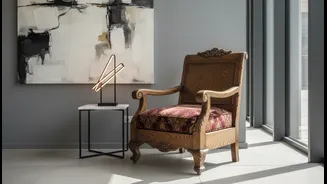
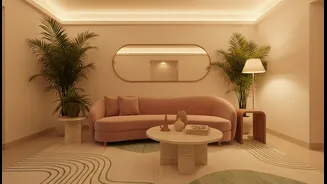
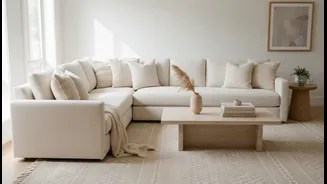
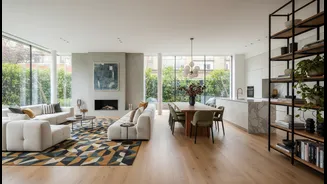
out patterns, and when we find them in our environment, it creates a sense of comfort and ease. An eclectic or "collected" interior, by its very nature, is a mix of opposites. It’s a style that celebrates individuality and contrast. The challenge is to ensure the space feels intentionally curated, not cluttered or random. This is where repetition comes in. By repeating certain visual elements, you create a rhythm that guides the eye and tells the brain that everything, despite its differences, belongs together. It’s the invisible thread that ties a room together, making it feel cohesive and thoughtfully designed.
Unifying with a Common Colour
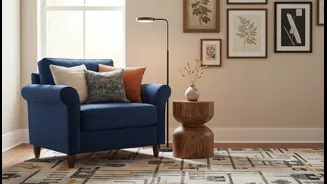
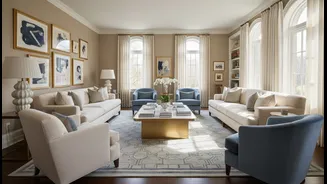
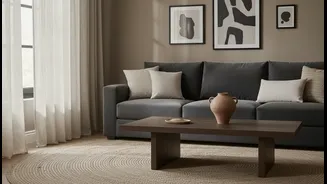
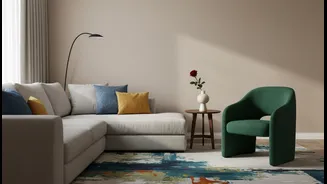
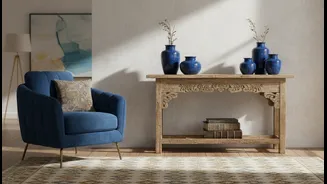
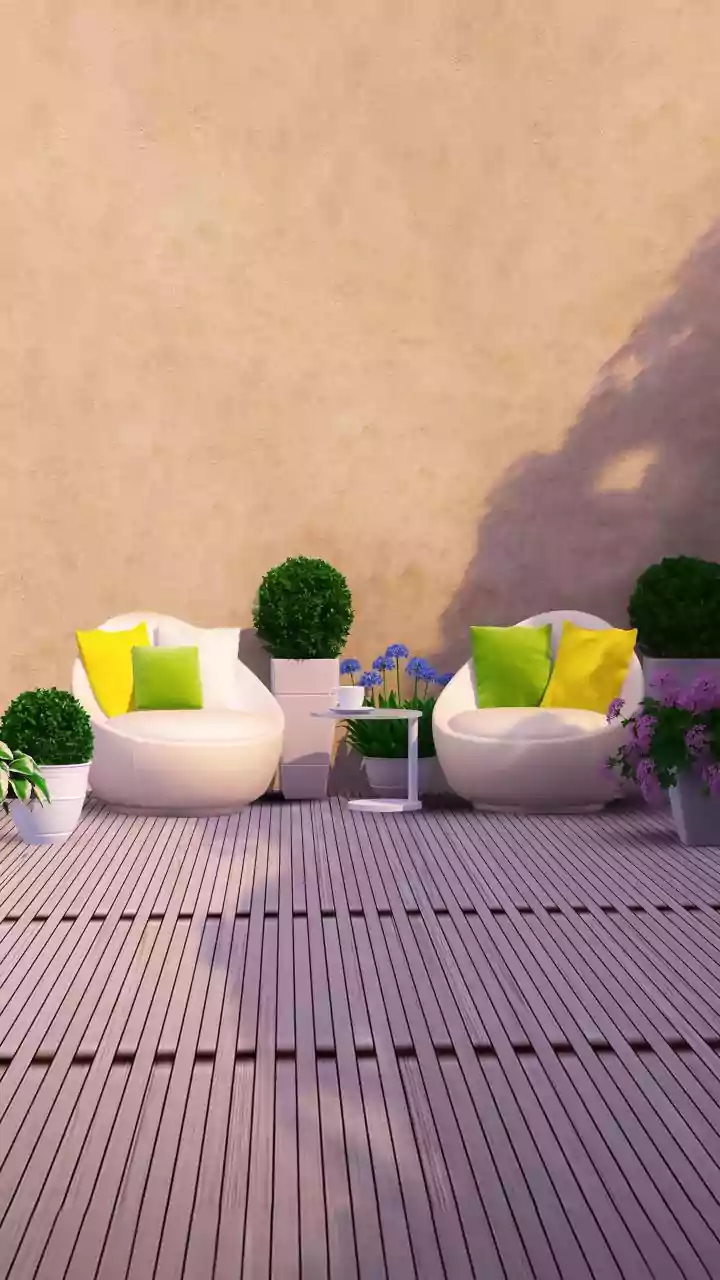
One of the most effective ways to create cohesion is by repeating a colour. This doesn't mean you have to paint every wall the same shade. Instead, you create a “continuous thread” by weaving one or two key colours throughout the space. For instance, the blue on a dining room wall might reappear in the pattern of a sofa cushion in the living room and then again in a piece of art in the hallway. This repetition provides a connective tissue for the home without feeling overly matched or contrived. A great starting point is the 60-30-10 rule: 60% of your room is a dominant colour (like walls), 30% is a secondary colour (furniture), and 10% is an accent colour. It’s this 10% accent—sprinkled across accessories, textiles, and decor—that often works hardest to tie everything together.
Mastering Material Repetition
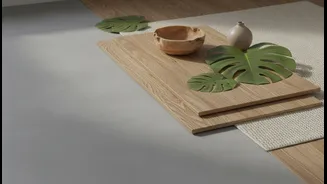
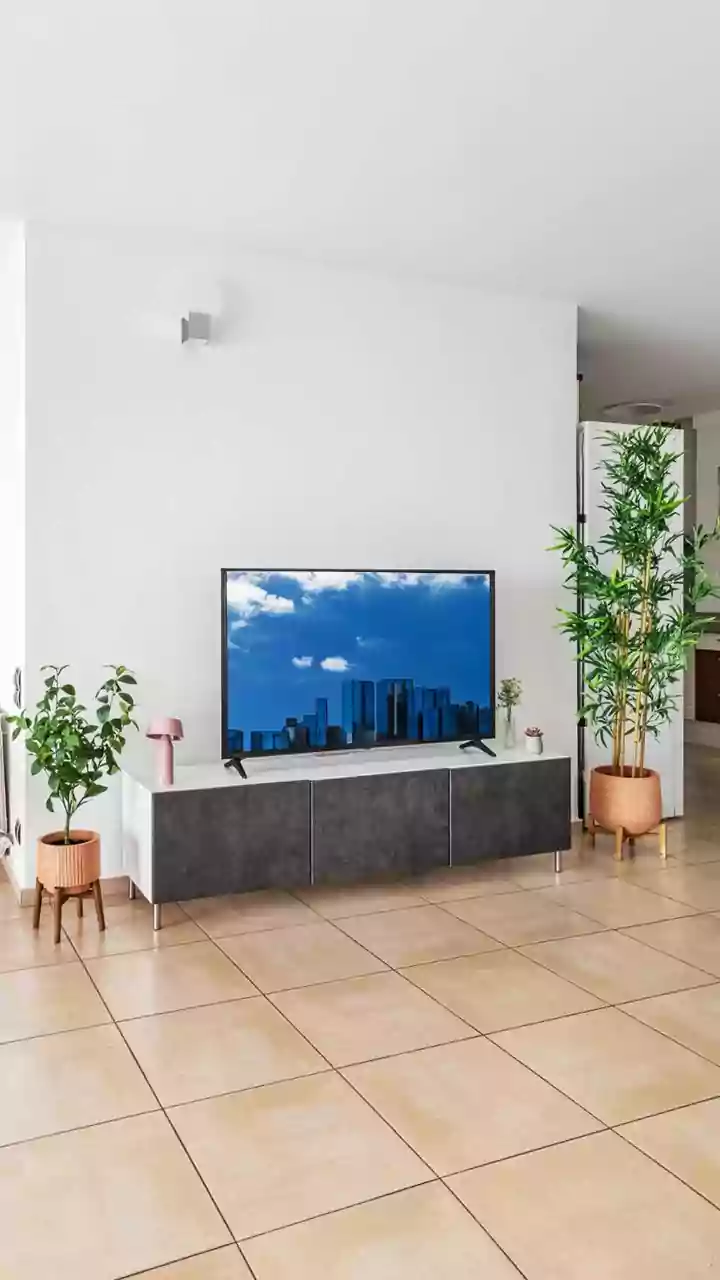
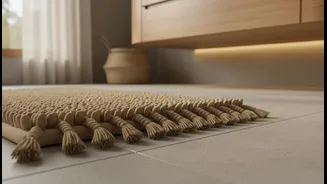
Beyond colour, repeating materials and textures is another powerful tool for creating unity. A shared material can create a seamless link between pieces from different design eras. For example, if you have a modern media console, a rustic coffee table, and an antique picture frame, they might feel disconnected on their own. But if all three share a similar warm wood tone, they suddenly speak the same visual language. The same principle applies to metals. Consistently using brass, matte black, or chrome finishes on light fixtures, cabinet hardware, and table legs can make a room feel polished and intentional. Texture works similarly; repeating natural fibres like rattan or linen across lighting, seating, and accessories builds a subtle richness and makes a space feel more organic and cohesive.
Finding the Right Balance
The goal of repetition is harmony, not monotony. A room where everything is identical can feel sterile and uninspired. The key is to create a rhythm, not a rigid rule. Experts suggest that repeating an element like a texture at least three times in a space is a good guideline to make it feel intentional. Think of it as creating a focal point or a theme rather than a uniform. You might also choose one primary style to make up about 80% of the room, and let the remaining 20% be accent pieces from a secondary style. This prevents any single style from overwhelming the space and allows your unique, collected pieces to shine. It's a delicate dance, but when you get it right, the result is a room that feels both dynamic and balanced.
How to Start in Your Own Home
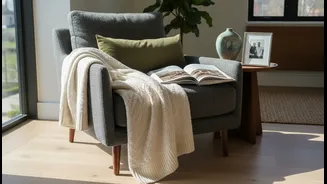
Creating cohesion can feel daunting, but you can start small. First, take an inventory of what you already own. Look at a single room and identify the dominant colours and materials already present. You may find you already have three or four items with a touch of green or a common wood finish. Choose one element to amplify. Perhaps you can swap out some throw pillows for ones that pick up on a colour from your favourite painting. Or maybe you can find a woven basket that echoes the texture of your rattan light fixture. Don't be afraid to edit; sometimes, creating cohesion is as much about what you take away as what you add. By making small, intentional choices, you can slowly build a visual story that makes your collection of cherished items feel like a truly unified home.