


A Celestial Legacy
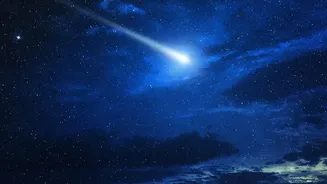
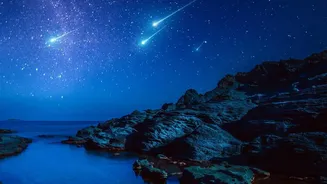
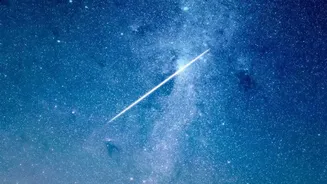
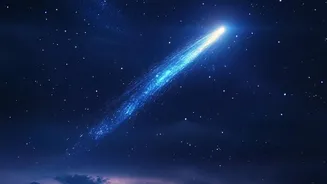
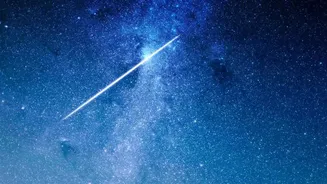
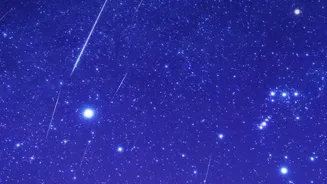
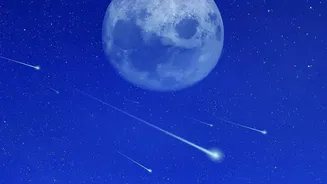
The Orionid meteor shower is one of the most beautiful of the year, known for its fast, bright meteors that can leave glowing trails lingering for a few seconds. These shooting stars are not random; they are tiny pieces of space debris left behind by
one of the most famous celestial objects, Halley's Comet. Each October, Earth passes through this stream of dust and ice. As the particles enter our atmosphere at high speed—around 66 kilometres per second—they burn up, creating the brilliant streaks of light we see from the ground. Watching the Orionids is like witnessing small, fleeting fragments of a comet that only visits our part of the solar system once every 76 years.
Mark Your Calendar for the Peak
The Orionids are active from early October to early November, but the best time to watch is during the peak. For 2026, the peak nights are expected to be October 21-22. While some meteors will be visible on the nights surrounding this window, your best chance for a memorable show is during the peak. The most crucial viewing time is in the predawn hours, roughly between 3 a.m. and sunrise. This year, a bright waxing gibbous moon will be in the sky during the early part of the night. However, it sets around 3 a.m., leaving a window of dark sky perfect for meteor watching until dawn begins to break. Setting an early alarm will be your best strategy.
Choose Your Urban Observation Post
The biggest challenge for any city-based sky-watcher is light pollution. While you can't eliminate the city's glow, you can minimise its impact. Find a spot on your terrace, balcony, or rooftop that is shielded from direct light sources like streetlights or a neighbour's security lamp. Setting up in the shadow of a wall or another building can make a significant difference. The goal is to find the darkest possible corner with the widest, most unobstructed view of the sky you can manage. Even a small reduction in direct glare helps your eyes adapt to the darkness, which is the most important tool you have.
The Art of Seeing: No Telescope Required
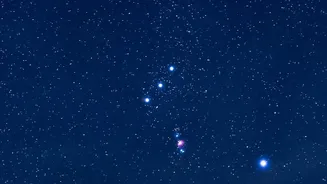
You don't need a telescope or binoculars to watch a meteor shower; in fact, they are a disadvantage because they limit your field of view. Your naked eyes are the best tool for the job. Once you're in your chosen spot, the most critical step is to allow your eyes to fully adapt to the dark. This takes about 20 to 30 minutes. During this time, do not look at your phone, as the bright screen will instantly reset your night vision. Lie back on a comfortable reclining chair or a blanket and simply look up, taking in as much of the sky as possible. The meteors appear to radiate from the constellation Orion but can streak across any part of the sky. For the best view, look about 45 degrees away from Orion; from this perspective, the meteors will appear longer and more spectacular.
Set Realistic Expectations and Enjoy
Under perfect, dark-sky conditions, the Orionids can produce about 15 to 25 meteors per hour. From a suburban or urban location, that number will be lower. You might only see a few meteors every hour, but patience is key. The show often comes in spurts, with periods of quiet followed by a sudden, brilliant streak. The experience isn't about counting meteors but about enjoying a quiet, reflective moment under the stars. Put on some music, bring a warm drink, and share the experience with friends or family. Seeing even one or two bright Orionids blaze across the city sky is a rewarding connection to the wider cosmos, a reminder of the celestial mechanics unfolding far above the urban glow.