




The 'Too Busy' Barrier
We've all been there. The day gets filled with work, family, and a never-ending to-do list. The idea of squeezing in a 45-minute workout feels less like self-care and more like another overwhelming task. This 'all or nothing' mindset is often the biggest
hurdle to starting a fitness journey. The good news is that research increasingly shows that short, consistent bursts of activity can be incredibly effective. These brief sessions, sometimes called 'exercise snacks', are designed to break up long periods of sitting and make movement more accessible for everyone.
More Than Just Minutes
It’s easy to be skeptical. Can five minutes really make a difference? Physiologically, the answer is a resounding yes. Studies show that short workouts can improve heart health, help regulate blood sugar and blood pressure, and boost your mood by releasing endorphins. One study found that brief, five-minute walks at regular intervals significantly lowered blood pressure and blood sugar. Others have shown that even a few minutes of vigorous movement per day can lower your risk of premature death from heart disease. You don't need an hour to reap benefits; you just need to start moving.
The Power of a Gateway Habit
Perhaps the most powerful aspect of a five-minute workout is its role in habit formation. Psychologists talk about the 'habit loop': a cue, a routine, and a reward. When a goal feels too big, we often fail before we even begin. But a five-minute routine is small enough to feel achievable, which lowers the barrier to entry. Successfully completing this small task provides a sense of accomplishment, which releases dopamine in the brain and reinforces the behavior. This small win makes you more likely to do it again tomorrow. Consistency, not intensity, is the secret to building a habit that sticks.
What Can You Actually Do in Five Minutes?
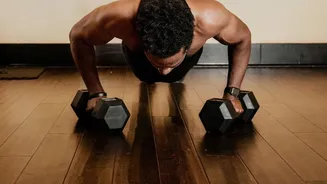
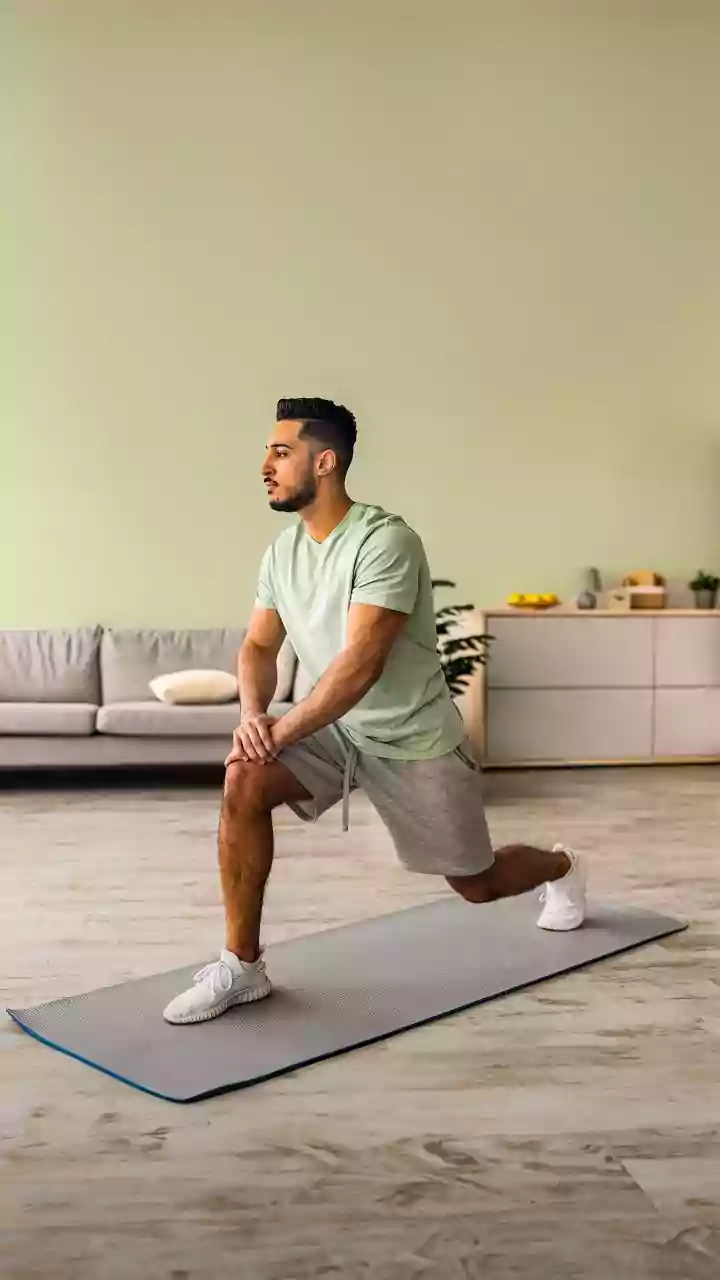
Five minutes is more time than you think. The key is to focus on compound movements that work multiple muscle groups at once. You don't need any equipment to get started. Here are a few simple ideas: Full-Body Cardio: Alternate between 30 seconds of jumping jacks, 30 seconds of high knees, and 30 seconds of rest. Repeat for five minutes to get your heart rate up. Bodyweight Strength: Perform a circuit of squats, push-ups (on your knees or against a wall is fine), and a plank. Aim for 45 seconds of work followed by 15 seconds of rest for each exercise, and repeat. * Mobility and Flexibility: If high-intensity isn't for you, use the five minutes for gentle stretching or yoga poses. This can improve flexibility and relieve stress. The goal is simply to move your body in a way that feels good to you.
From Five Minutes to a Fitness Routine
A five-minute workout isn't necessarily the final destination, but it's an incredibly effective starting point. For sedentary individuals, these short bursts can significantly improve strength and endurance. Once the habit of moving daily is established, it feels much less daunting to extend the time. That five-minute routine might naturally become seven minutes, then ten. You might add a second 'exercise snack' later in the day. The initial five minutes break the cycle of inactivity and build the self-efficacy—the belief in your own ability to succeed—that is crucial for long-term change. It shifts your identity from someone who 'doesn't exercise' to someone who moves every day.